

Building a go bag for two: a practical guide for couples in the Philippines
How my wife and I pack for the first 72 hours — two bags, one shared plan, and the honest weight of it all. No kids, no pets, no wishful thinking.
Current
We buy our own gear. Prices checked March 2026.
The situation
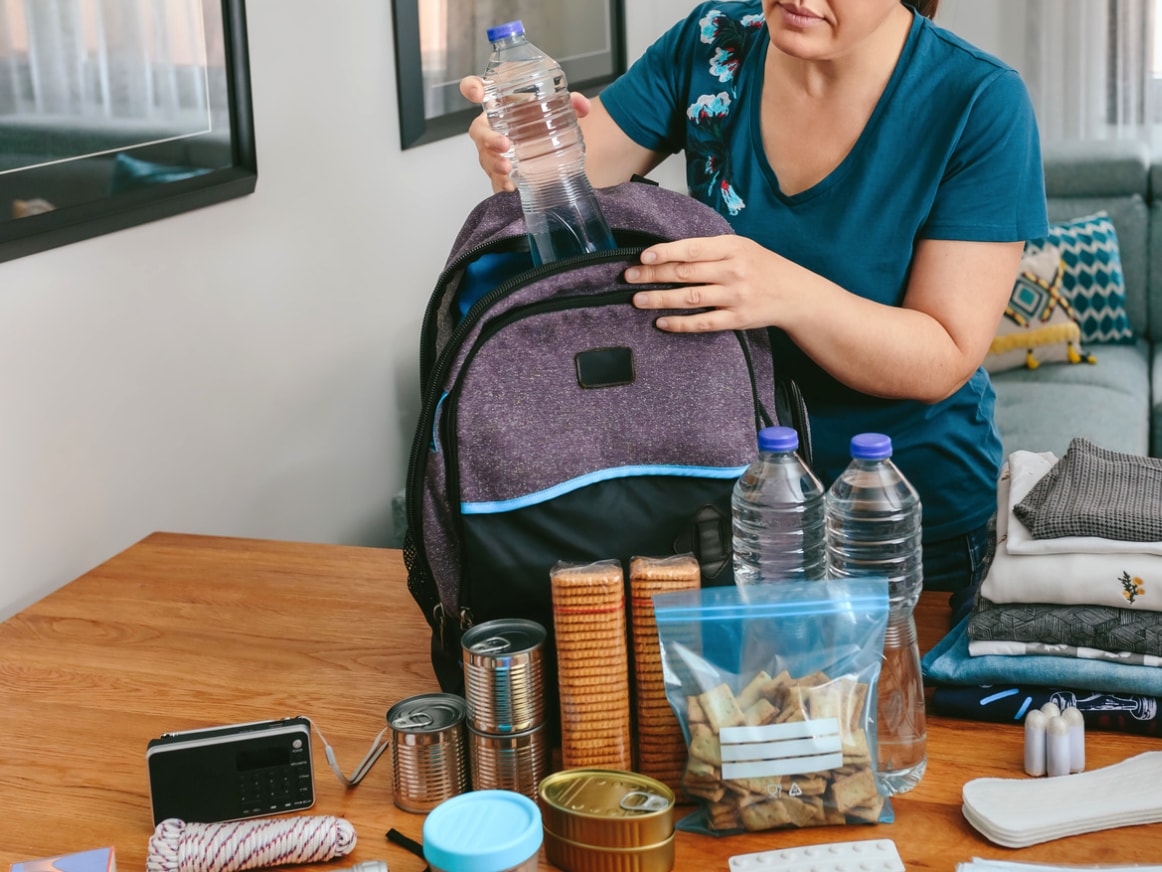
A go bag is what you grab when staying is no longer the better option. Not the drum of rice in the kitchen, not the shelf of tinned goods — those are for sheltering in place. The go bag is for the morning the barangay sound system starts calling for evacuation, or the water in the street reaches the second step, or the ground shakes hard enough that you would rather sleep outside than under your own ceiling.
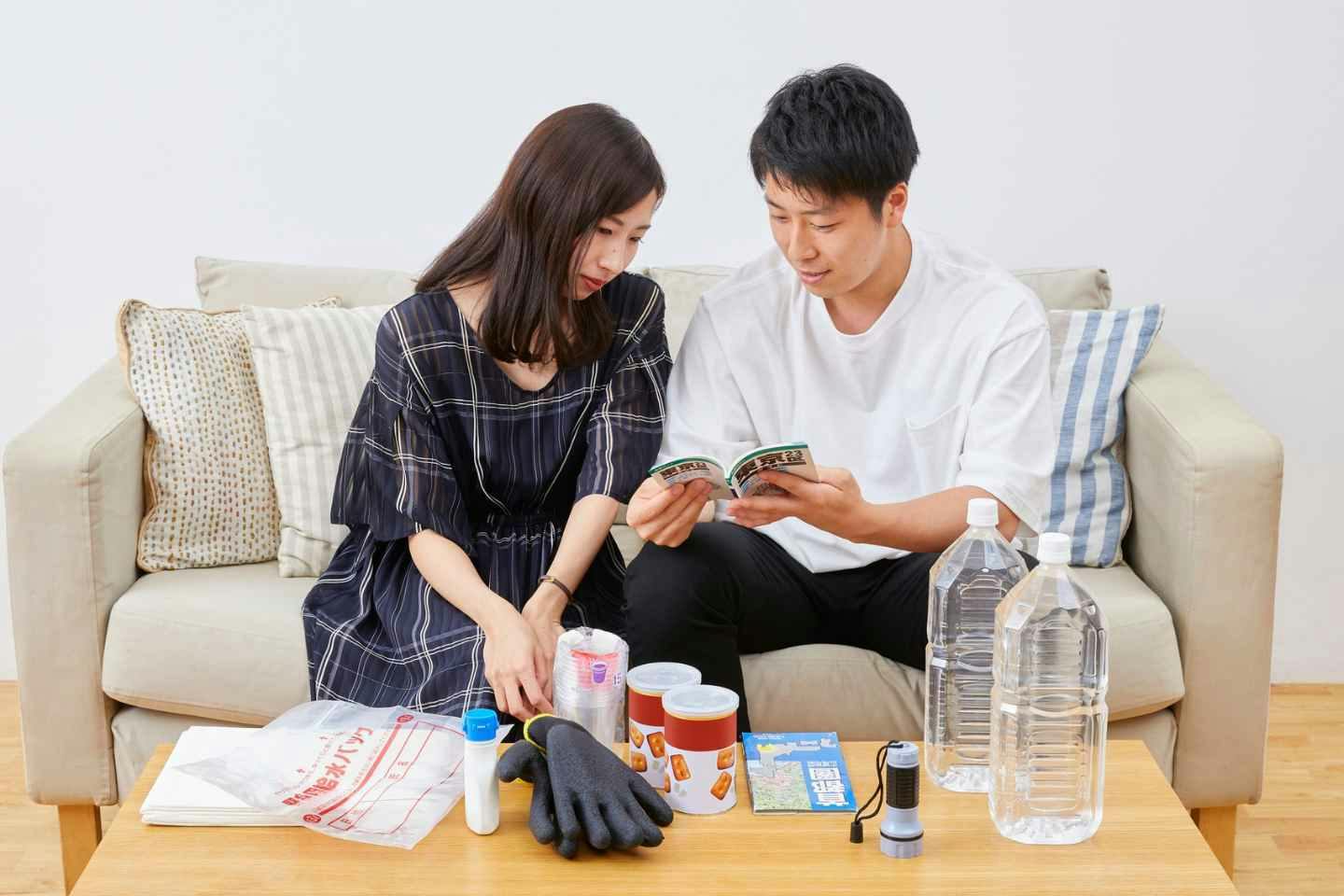
For a couple with no kids and no pets, this is genuinely easier than it is for most households. You have two adults who can both carry a load, both make decisions, and both move at the same speed. That is a real advantage and you should use it — not by packing more, but by packing smarter and splitting it properly.
The Philippine version of this problem has its own shape. It is wet. Twenty or so tropical cyclones cross the country in a year, and the ones that hurt are rarely the ones with the strongest winds — they are the ones that sit over a catchment and rain for eighteen hours. Power goes before water does. In condominiums and walk-ups, the lift goes first, and a high floor becomes a staircase. In low-lying barangays, the road out closes before the water reaches your door. So the bag has to survive rain, be carried down stairs, and be ready before the situation is obvious.
What actually matters
After years of packing and repacking, I have come down to four things that make the real difference. Everything else is detail.
Weight you will actually carry. This is the one people get wrong. A bag you have to drag is a bag you leave behind, or worse, a bag that slows you down on a flooded street. For most couples, 7–9 kg each is the honest ceiling. My wife’s bag is lighter than mine, and that was a decision we made on purpose, not an accident.
Water resistance, built in layers. Your bag will get wet. Not “might” — will. A 20-litre dry bag inside the pack, or heavy-duty zip-lock bags for documents and electronics, costs very little and changes everything. In search-and-rescue in Australia we never trusted a pack’s own “water-resistant” fabric to protect anything that mattered; the map and the batteries went in their own bags, always, and that habit has never once cost me anything.
Redundancy on the two things that fail. Light and water. If your only torch dies, you are in trouble in a way that is hard to describe until you have been there. If your only water source runs out, the same. Two lights minimum per person. Water carried and a way to treat more.
A plan you have both said out loud. Where we go. Who we call. What happens if the phones are down. Which evacuation centre, and the fallback if that one is full. The bag is the easy part. The conversation is the part most couples skip.
What to do (and what not to)
Start with two bags, not one. A single shared bag sounds efficient until you are separated at work when the warning comes, or one of you is carrying the other’s hand down a dark stairwell. Two bags, each independently survivable for 72 hours, is the right structure for a couple. Then share the bulky duplicates: one water filter, one stove, one first-aid kit — split across the two bags so no single loss is fatal to the plan.
Pack for three days, not three weeks. The go bag covers the gap between leaving and reaching help. If you are still living out of it on day five, the problem has changed shape and so has the response.
Copy your documents. Photos of IDs, land titles, insurance, PhilHealth, marriage certificate, bank details — in a waterproof pouch, and again in cloud storage you can reach from a borrowed phone. This is the single cheapest piece of preparedness there is and it is the thing people wish they had done.
Keep cash in small notes. ₱3,000 to ₱5,000 in hundreds and fifties, per bag. When power is out, card terminals are out, and the sari-sari store cannot break a thousand.
Do not build a bag for a scenario you are not in. I have seen go bags with machetes and camouflage and enough freeze-dried food for a fortnight. That is a hobby, not a plan. You are most likely walking two kilometres to a gymnasium and sleeping on a basketball court for two nights. Pack for that.
And the part that no bag replaces: leave early. Every serious flood story I have heard in this country has the same sentence in the middle of it — “we thought we still had time”. When PAGASA raises the warning for your area and your barangay says go, go. The bag exists so that leaving is easy, not so that staying feels safe.
The gear that helps
Thought of as categories rather than a shopping list:
The bags themselves. A 25–35 litre daypack each is plenty, with a proper chest strap and hip belt so the weight sits on your hips rather than your shoulders. You do not need a 60-litre expedition pack. Decent options sit around ₱1,500–₱3,500 on Lazada or Shopee; be a little careful with the very cheap “tactical” listings, where the stitching at the shoulder join is usually where they saved the money.
Water carried and water treated. One litre each on your body, plus a filter or treatment tablets shared between you. I stay away from anything for emergency use that needs batteries or a charger to purify water. The gravity and squeeze filters that need nothing but hands are the ones that keep working when everything else has stopped.
Light. A headtorch each, because hands matter on stairs and in water, plus a small backup torch. Rechargeable is convenient; a model that also takes AA or AAA is better, because a dead battery you can replace at any sari-sari store beats a flat power bank.
Power, honestly sized. A 10,000mAh power bank per person keeps two phones alive for two or three days with careful use. That is what it is — a pocket top-up, not a house battery. Do not expect it to run a fan.
Radio. A small AM/FM receiver, ideally hand-crank or battery, so you are not dependent on mobile data for warnings. When the cell sites are congested or down, radio is still talking.
First aid, sized for two adults. Wound care, your actual prescription medicines with at least a week’s supply, paracetamol, antiseptic, blister plasters, oral rehydration salts. Skip the trauma theatre you will not know how to use.
Food that needs nothing. Three days of things you can eat cold, straight from the packet. Biscuits, nuts, tinned fish with a pull-tab, instant coffee sachets. A stove is a nice-to-have for a couple, not a requirement — and if you carry one, carry one with a reliable ignition. A fiddly igniter in the rain is a real fault, not a quirk.
Sleep and dry. A poncho each, a lightweight mat or foam pad, a quick-dry towel, and one change of clothes in a dry bag. Evacuation-centre floors are hard and cold at 3am even in the tropics.
Common mistakes
Packing it once and forgetting it. Batteries leak, medicines expire, biscuits go stale, and the shoes you packed two years ago no longer fit the life you have. Check it twice a year. I use the start and the end of the wet season as the reminder.
Storing it somewhere sensible instead of somewhere reachable. A go bag in the back of a wardrobe behind the Christmas decorations is a museum piece. Ours sit by the door.
Duplicating everything. Two of each heavy item, in a couple’s bags, is how you end up at 14 kg apiece. Split the shared kit instead.
Forgetting shoes. Closed, sturdy, already broken in. Flood water carries glass, nails and worse, and slippers are how a two-kilometre walk becomes an infected foot.
Buying counterfeits by accident. Power banks and filters are the two categories where fakes are common. Buy from official stores on the platforms, be suspicious of prices far below everyone else, and ask in local hobbyist groups if you are unsure. A fake filter is worse than no filter, because you will trust it.
A calm closing
Nothing in our bags is showy. A pack, a dry bag, two torches, a filter, some tinned fish, photocopies of our documents, and small notes in an envelope. Everything in there has earned its place by being used, in rain, on a real day.
The one thing to remember is this: the bag is not the preparation. The bag is what lets you act on a decision you have already made together. Have the conversation, pick the place you would go, agree on when you would leave — and then packing takes an afternoon.