Candle and crowd safety at the cemetery this Undas
Practical Undas cemetery safety tips for Filipino families — candles, portable stoves, lost-child plans, hydration, and crowd-crush awareness at the gates, told plainly and without the drama.
The situation
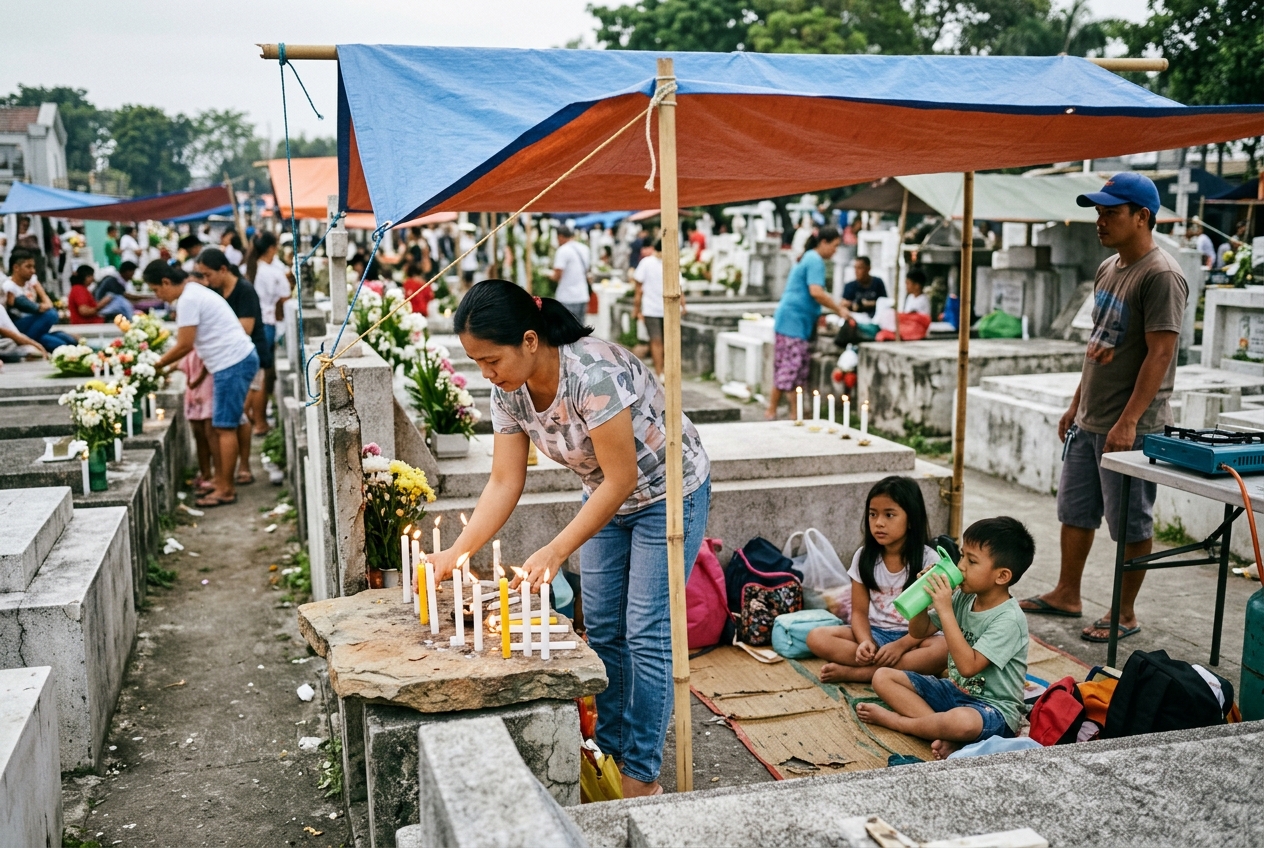
Undas 2026 falls on November 1 (a Sunday) and November 2 (a Monday), with Proclamation No. 1006 giving us a three-day weekend from October 31 to November 2. That means most families will have their whole clan at the cemetery at once — tents up, candles lit, rice and barbecue going, kids running between graves, and lolas and lolos settled in plastic chairs for the long haul. Some stay for a few hours, some for the whole night.
I’m not here to tell anyone to skip the tradition. Undas is one of the few times a whole extended family gathers in one place, and that matters. But a cemetery on November 1 is also a packed, hot, open-flame environment with narrow paths and gates built for ordinary days, not crowds. Undas cemetery safety tips rarely get written because nobody wants to sound like they’re spoiling a beloved tradition. I don’t think a few plain, calm habits spoil anything. They just mean everyone gets to go home together.
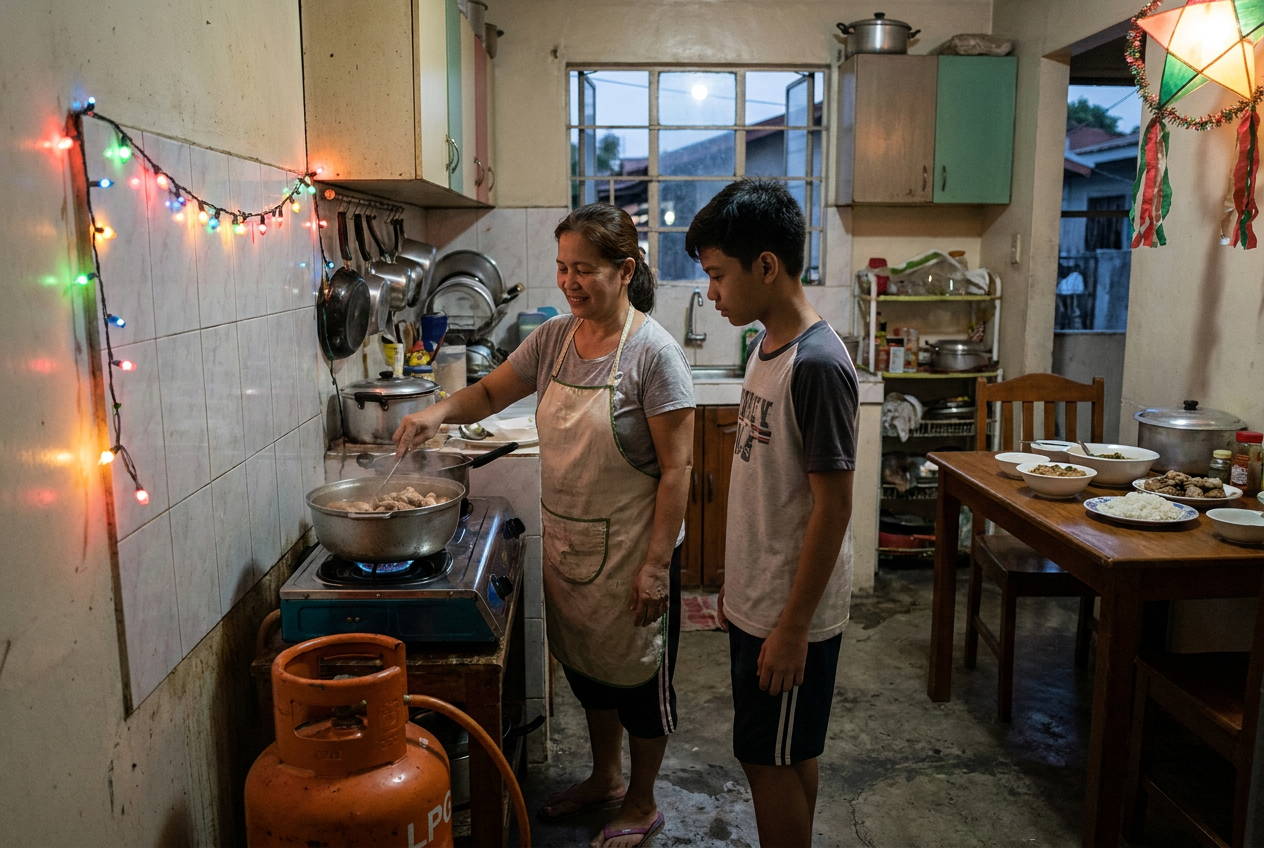
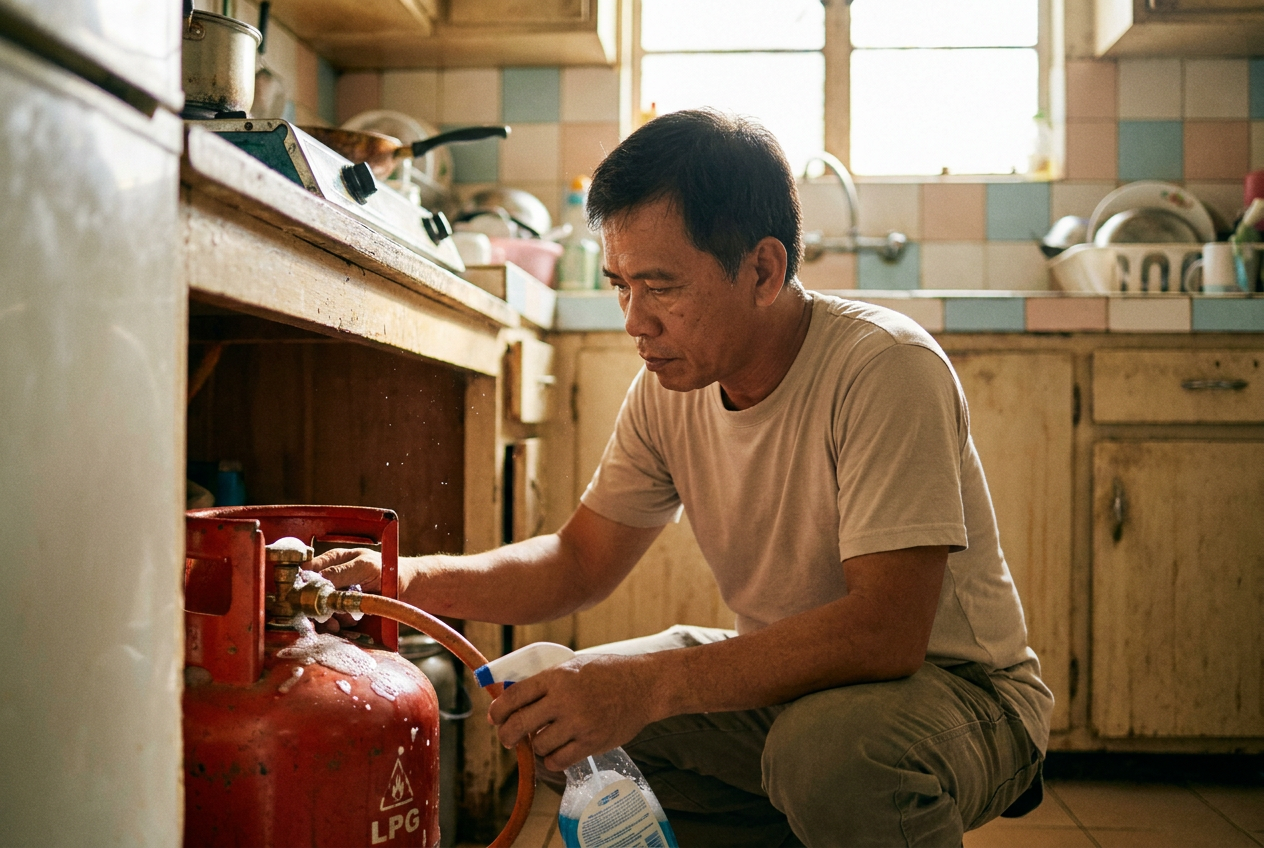
If you want home fire-prevention basics — LPG, extinguishers, holiday lights, household fire drills — we’ve covered that ground already in our home fire safety plan article. This one is just about the cemetery, for the day or night you’re actually there.
What actually matters
Strip it down and there are really four risks stacking on top of each other at once: open flame near flammable material, cooking fires in tight spaces, a child or elderly relative getting separated in a crowd, and the crowd itself bottlenecking at gates and narrow paths during peak arrival and departure. None of these is dramatic on its own. What makes Undas different from an ordinary day is that all four are happening at the same time, in the same few square meters, for hours.
The other thing that matters is supervision — not equipment. A fire extinguisher won’t help if nobody’s watching the candle table when the wind picks up. A meeting point is only useful if the whole family actually knows where it is before you arrive, not after someone’s missing.
What to do — and what not to
Candles and open flame
- Keep candles well clear of tent fabric, umbrella canopies, dried flowers, and paper or plastic decorations. Cemetery tents are often nylon or cheap tarpaulin, and they catch fast.
- Set candles on a stable, flat surface — not balanced on uneven ground or propped against a headstone where a gust can tip them.
- Never leave lit candles unattended, especially when small children or elderly relatives are nearby. A toddler’s curious hand or a lola’s trailing hem are both real risks, and neither moves quickly if fabric catches.
- Assign one adult, even informally, to keep an eye on the candle area whenever the rest of the family steps away to eat or walk around.
- Dry grass around older cemetery plots burns easily in the Philippine heat. Clear fallen leaves and dry grass from directly around your candle spot before lighting anything.
Portable stoves and grills
- Cook on stable, level ground, away from tents, dry grass, and foot traffic — not wedged between graves where someone can bump it while walking past.
- Keep children away from the stove or grill area entirely; it only takes a second for a curious child to get too close.
- Have an adult stay with the stove the whole time it’s lit, the same way you’d never leave a lit candle unattended.
- Let it cool completely before packing it away, and keep it out of the aisle where people are walking.
If a child wanders off
Cemeteries on Undas are genuinely disorienting — rows of graves look alike, crowds are thick, and a child can lose sight of you in seconds. Before you even arrive, agree on a simple, specific meeting point everyone in the family knows: the cemetery’s main gate, a particular chapel, or a landmark grave marker near the entrance. Make sure children know the plan too, in words they’ll remember under stress — “if you can’t find us, go to the big gate and stay there.” A search-and-rescue instinct I still carry is that a clear, pre-agreed point beats a frantic search every time — people waste precious minutes checking places instead of going straight to the one spot everyone agreed on.
Water and staying cool through a long day
A cemetery visit can run from morning to the next day, often in direct sun with little shade over crowded paths. Bring more water than you think you need, and keep an eye on elderly relatives and small children especially — they overheat faster and may not say so until they’re already unwell. Check today’s heat index on PAGASA before you go, especially if you’re planning a long daytime stay rather than an overnight vigil. If someone is dizzy or stops sweating in the heat, move them to shade right away, lay them down with legs raised, give cool water if they’re awake, loosen or remove extra clothing, wet their skin and fan them, and get them to a hospital. If they are confused, have a seizure, faint, or stop responding, call 911 immediately.
Crowds at gates and narrow paths
Peak arrival in the morning and peak departure in the late afternoon or after the overnight vigil are when cemetery gates and the paths right behind them get genuinely packed. This is when crowd-crush risk is highest — not from panic, but simply from too many people trying to move through too narrow a space at once. Where you can, stagger your own family’s arrival or departure slightly outside the busiest windows. Inside the cemetery, keep young children close by hand or in sight at all times near gates, and don’t let the group get spread out and separated right at a bottleneck. If a path feels uncomfortably packed, it’s fine to hang back a minute and let it clear rather than push through.
The gear that helps
Nothing here needs to be fancy, and Undas isn’t the time to be buying new equipment just for one day a year. A sturdy, stable lantern or battery-powered light does the job of a candle without the open flame risk, which matters more in a packed tent area than it might at home. A basic first aid kit with clean water, dressings and sun protection earns its place in any day-bag, the same way it does in a typhoon go-bag — our first aid kit article covers what’s worth packing. Insulated water bottles or a cooler jug keep water drinkable through a hot afternoon, and a whistle or brightly colored item of clothing on a small child makes them easier to spot in a crowd. None of this is about gearing up for a crisis — it’s just about the small, unglamorous things that make a long day at a packed cemetery go smoothly.
Common mistakes
People usually get this wrong in the same few ways. They set candles up early in the day and then forget they’re burning once the crowd arrives and attention shifts to visiting, eating, and catching up with relatives. They cook too close to the tent, not realizing how fast a stray spark travels in dry grass. They agree on a meeting point only after a child has already wandered off, which is exactly when it’s hardest to think clearly. And they push through a crowded gate because everyone else is pushing too, rather than simply waiting a few minutes for the crush to ease.
The one thing to remember
A candle, a stove, or a crowd is only a risk when nobody is paying attention to it — so give each one a named person watching, and agree on your family’s meeting point before you ever reach the gate.
Galing Gear shares general preparedness and first aid information based on sources such as the DOH, WHO and the Philippine Red Cross. It is not a diagnosis or prescription, and it does not replace a doctor, nurse, pharmacist or trained responder. We never give medicine doses. Follow the latest advice of the DOH, your local health office and your medicine’s label. In an emergency, call 911. Philippine Red Cross: 143. Mental health crisis (NCMH): 1553 (landline). When unsure, get checked.