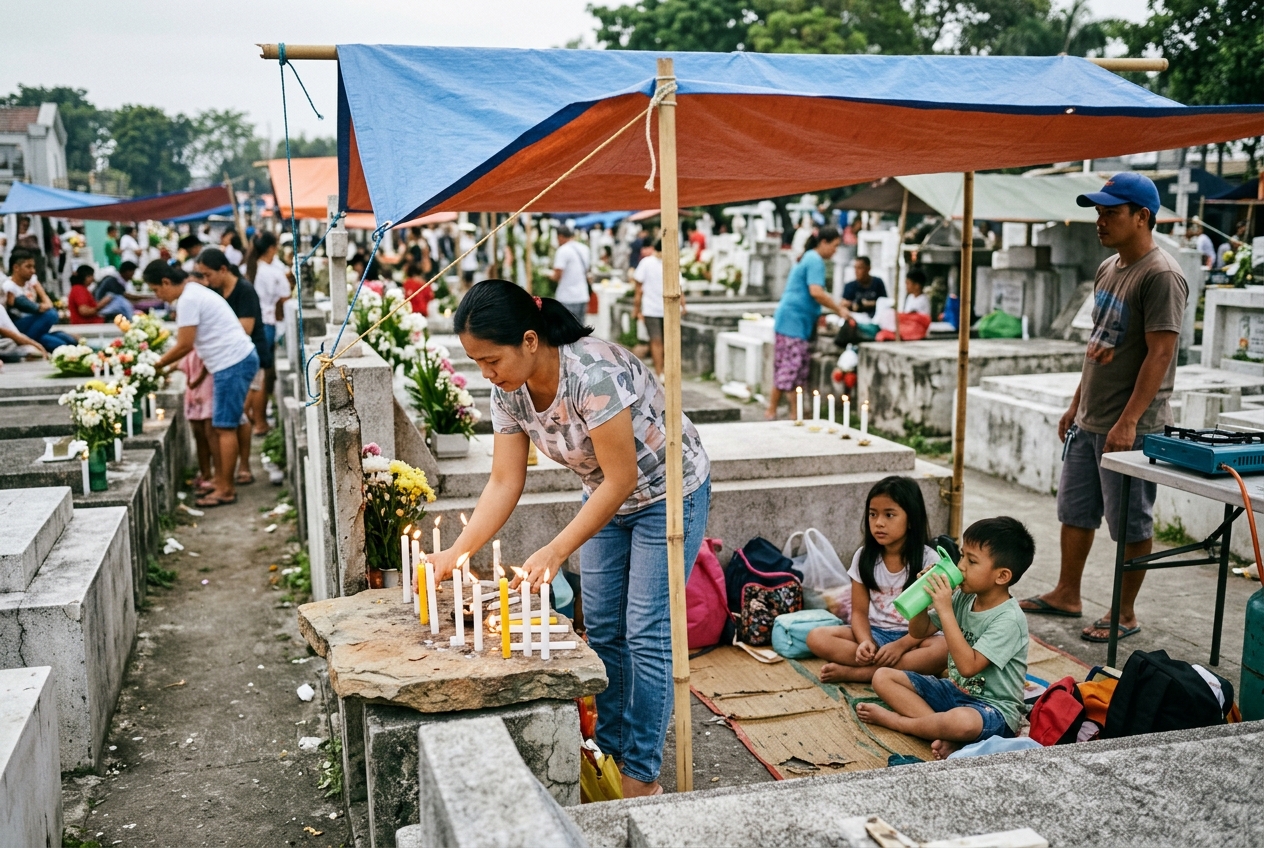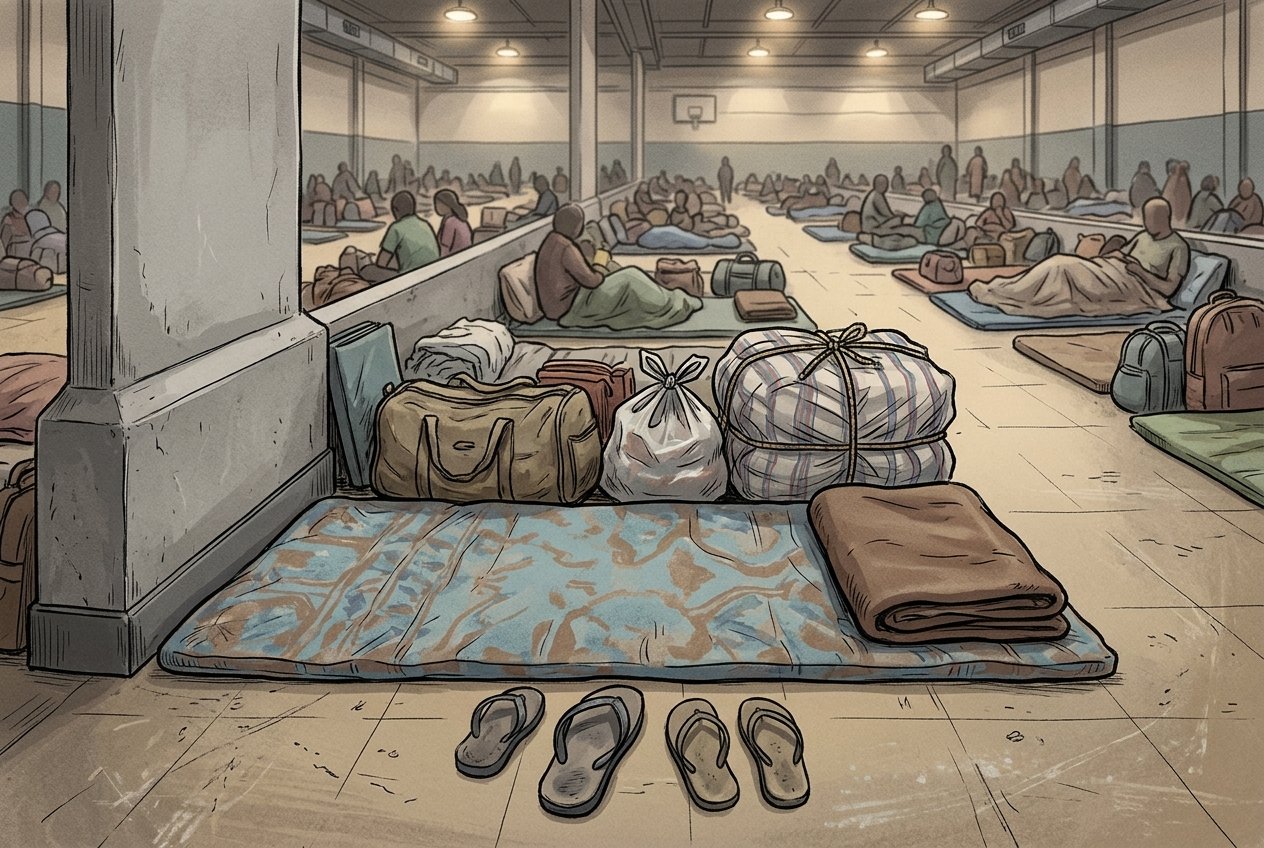
Once you've made it to the barangay evacuation center, a new set of problems starts: where to sleep, how to queue, how to keep your family calm and your valuables safe. Here's what actually helps.
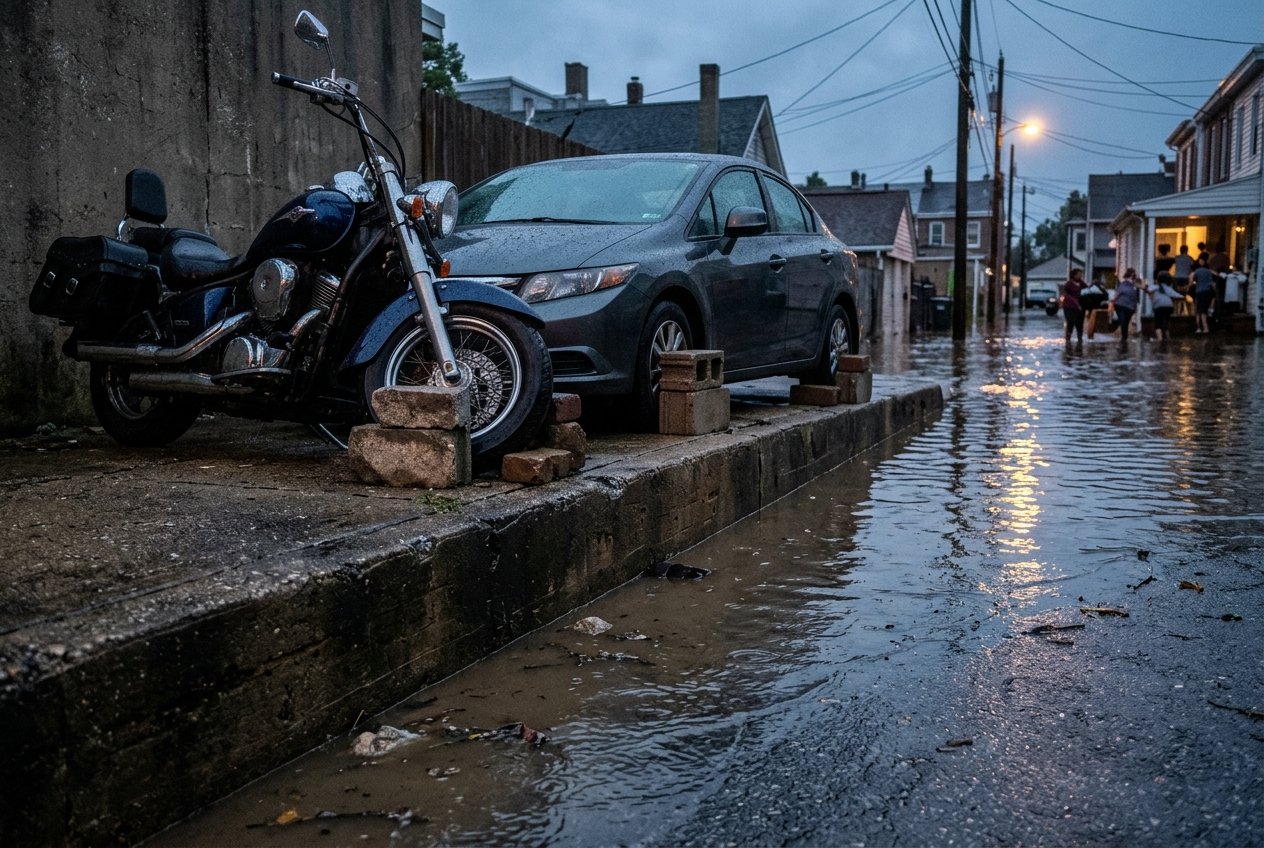
Paano iligtas ang sasakyan sa baha: a plain, step-by-step plan for moving your car or motorcycle to higher ground and protecting the electrics before the water comes up, not during.
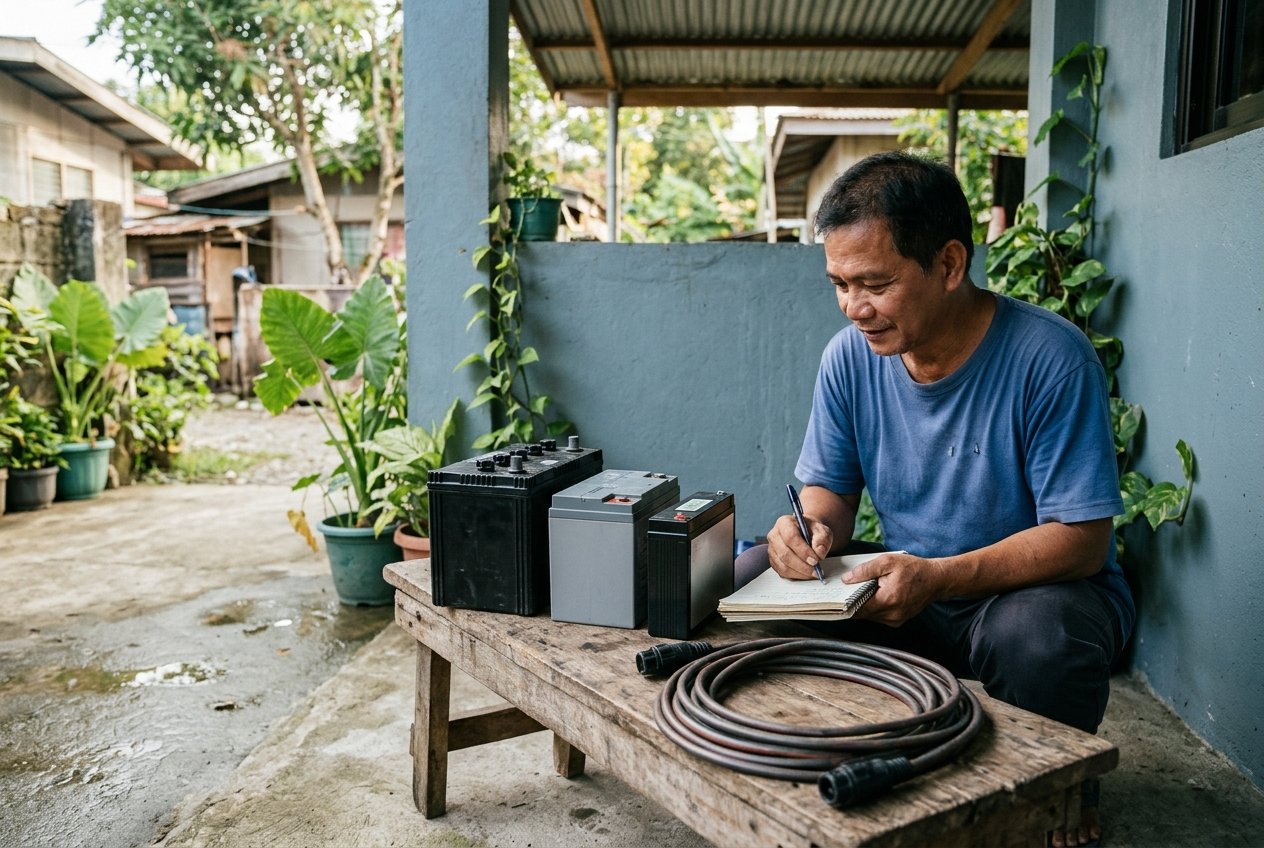
A plain-language guide to choosing between lead-acid, AGM, and lithium LiFePO4 batteries for a home solar setup in the Philippines, covering capacity math, lifespan trade-offs, and safe placement.
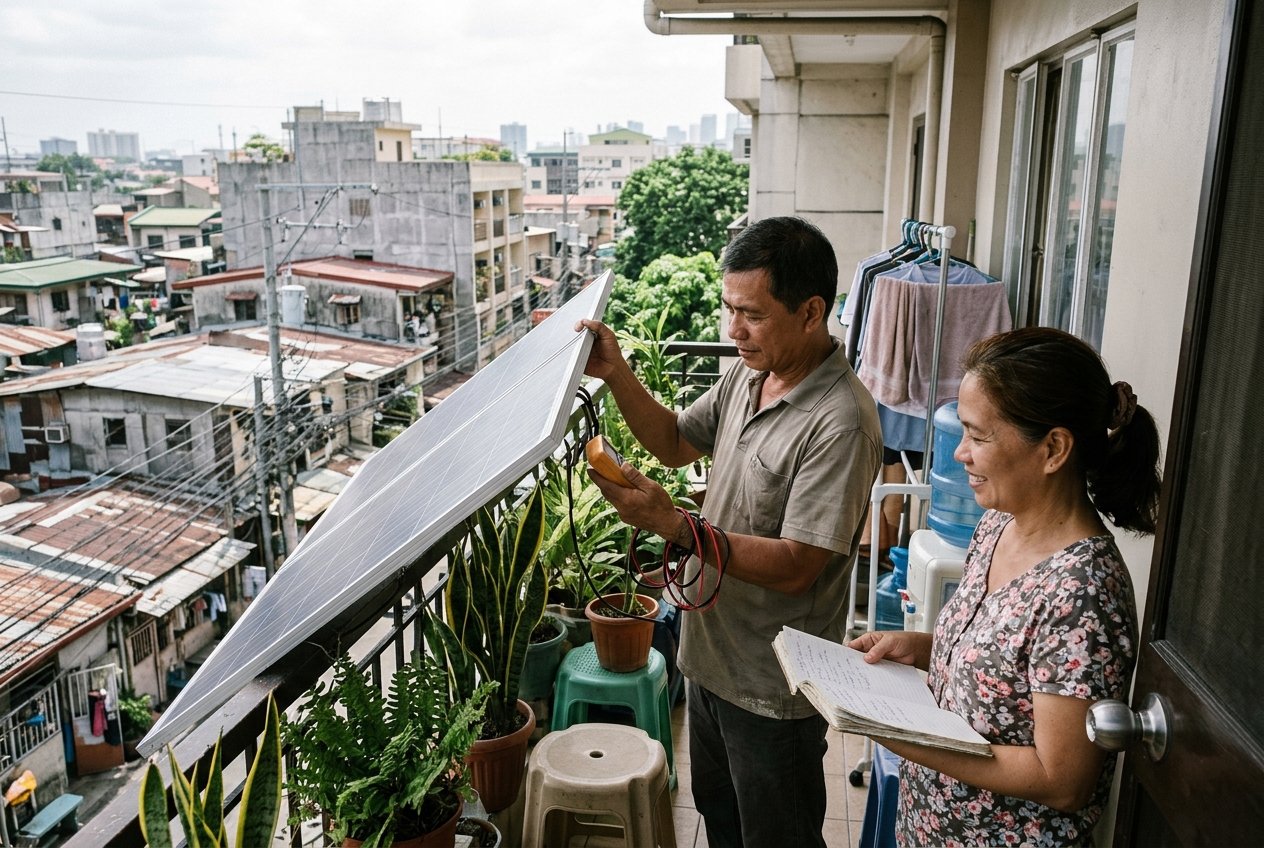
A plain-language guide to working out how much solar panel capacity a Filipino household actually needs, covering wattage math, portable versus fixed setups, condo and HOA rules, and avoiding mislabeled panels.
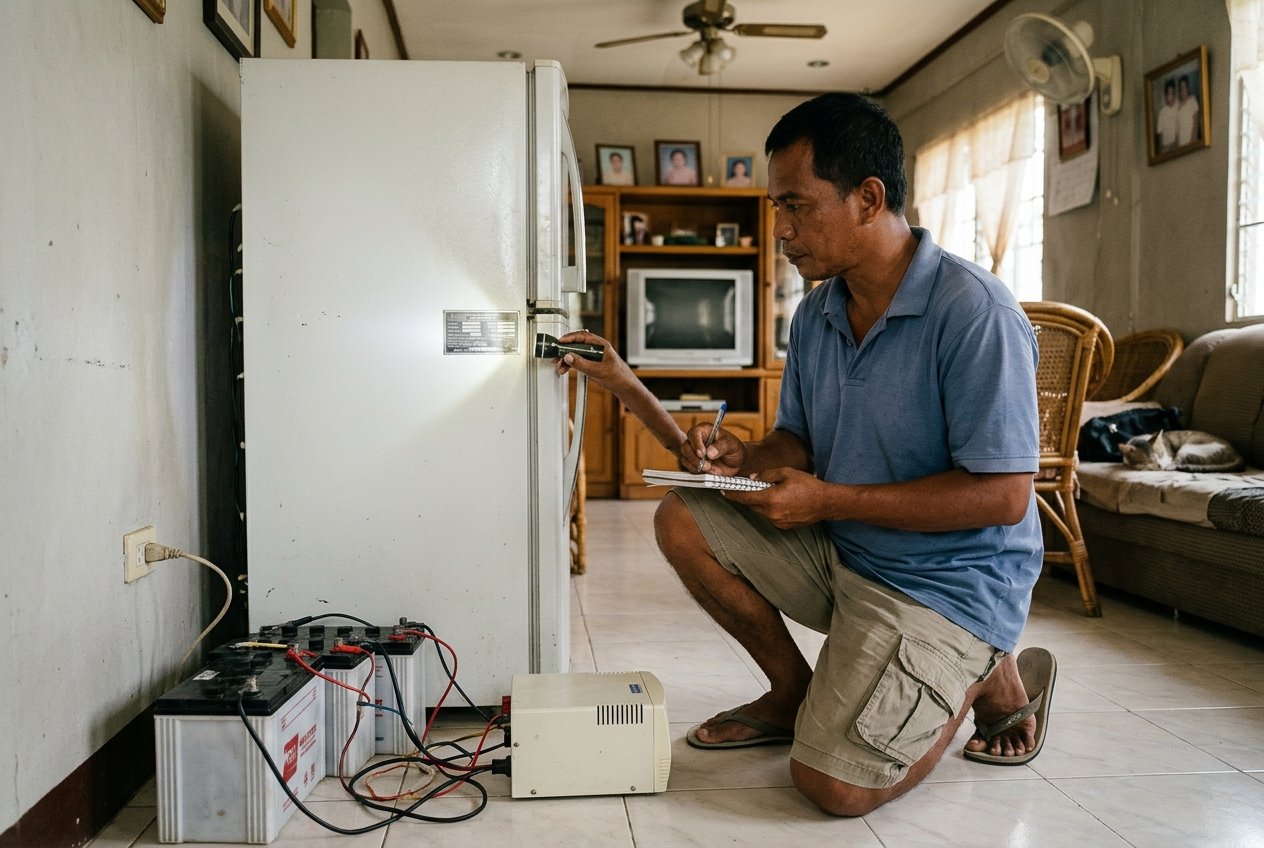
A practical guide to choosing the right inverter type and wattage for Filipino households already set up with solar panels and batteries, covering pure sine wave versus modified sine wave, reading appliance nameplates, and avoiding undersized or counterfeit units.
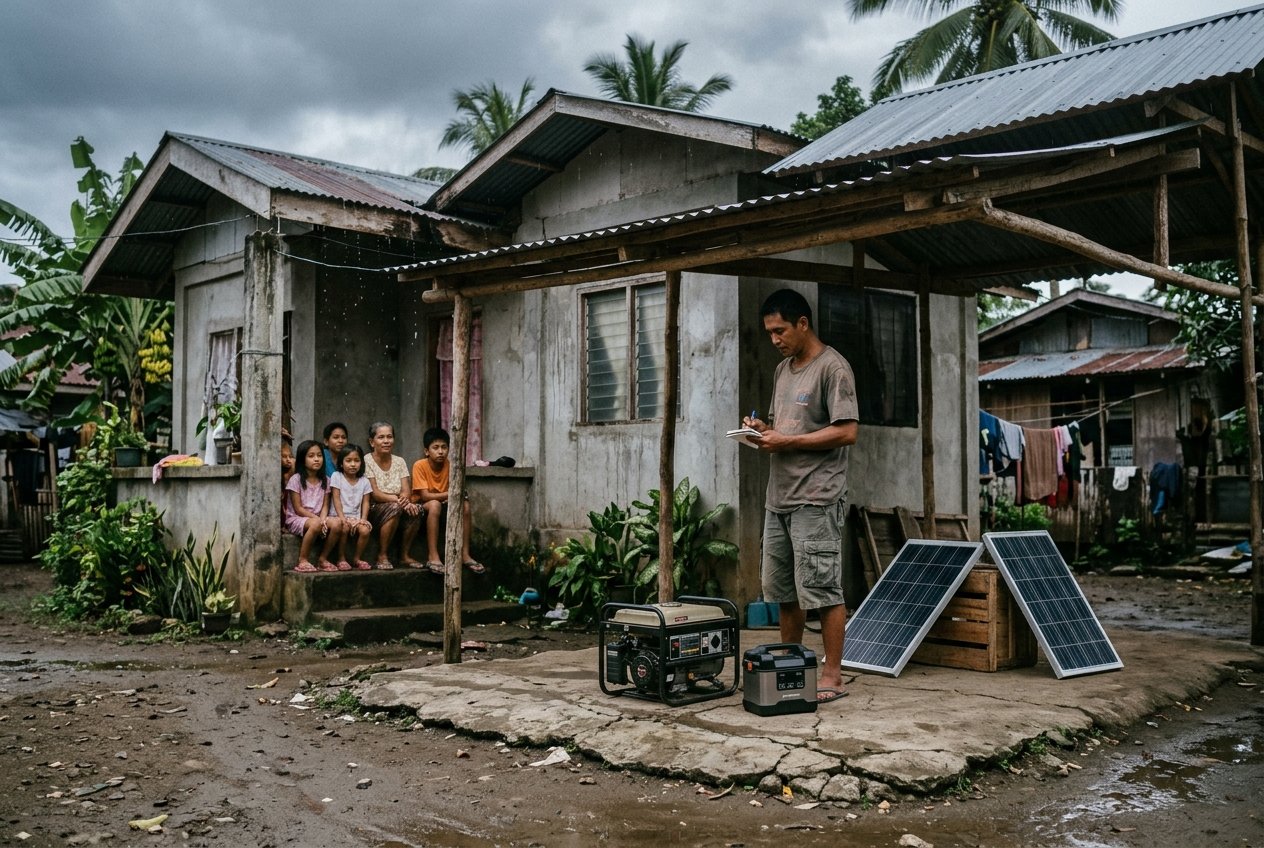
A plain comparison of generators and solar-battery backup for Philippine brownouts, weighed by housing type, outage length, fuel, noise and upkeep, so you can pick what actually fits your home.
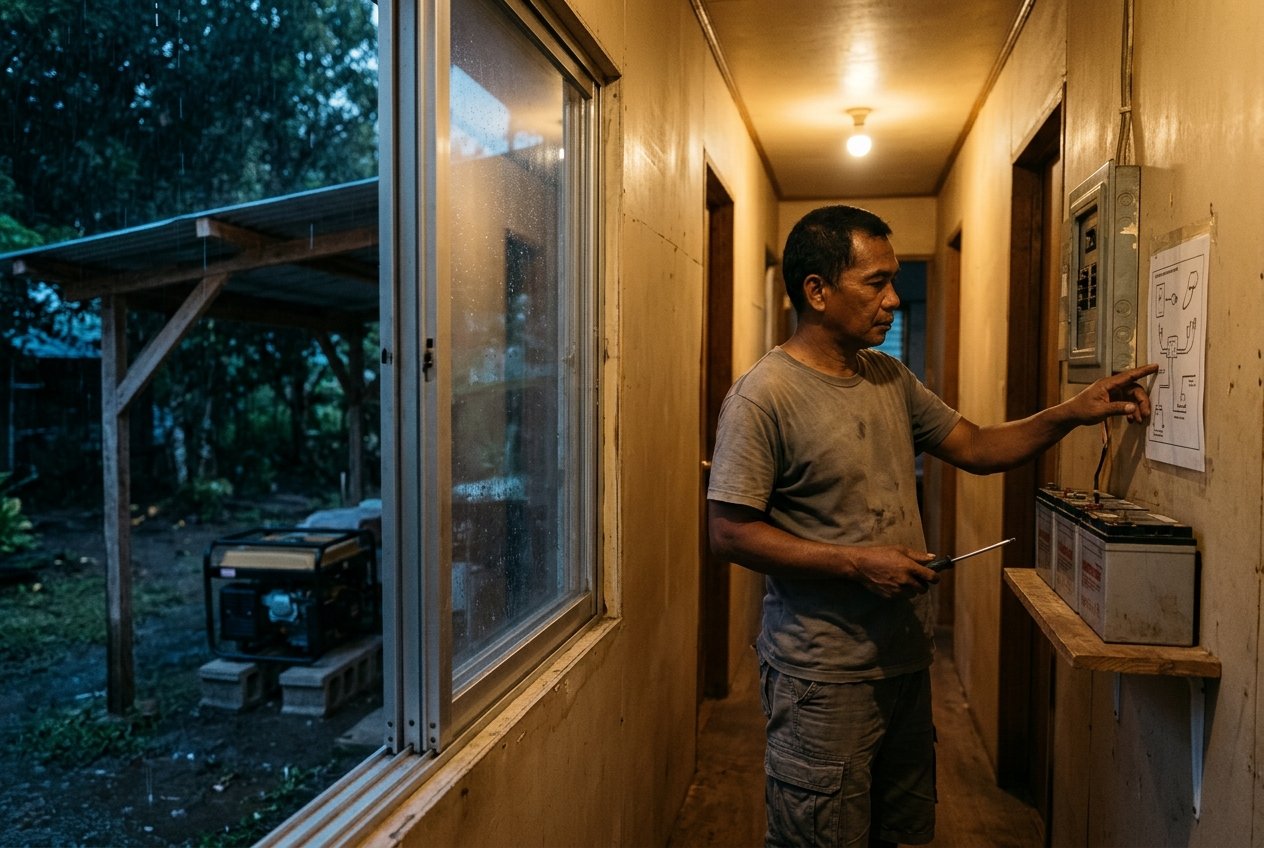
A plain, step-by-step way to combine panels, battery, inverter and generator into one backup power system, sorted by the kind of home you actually have.
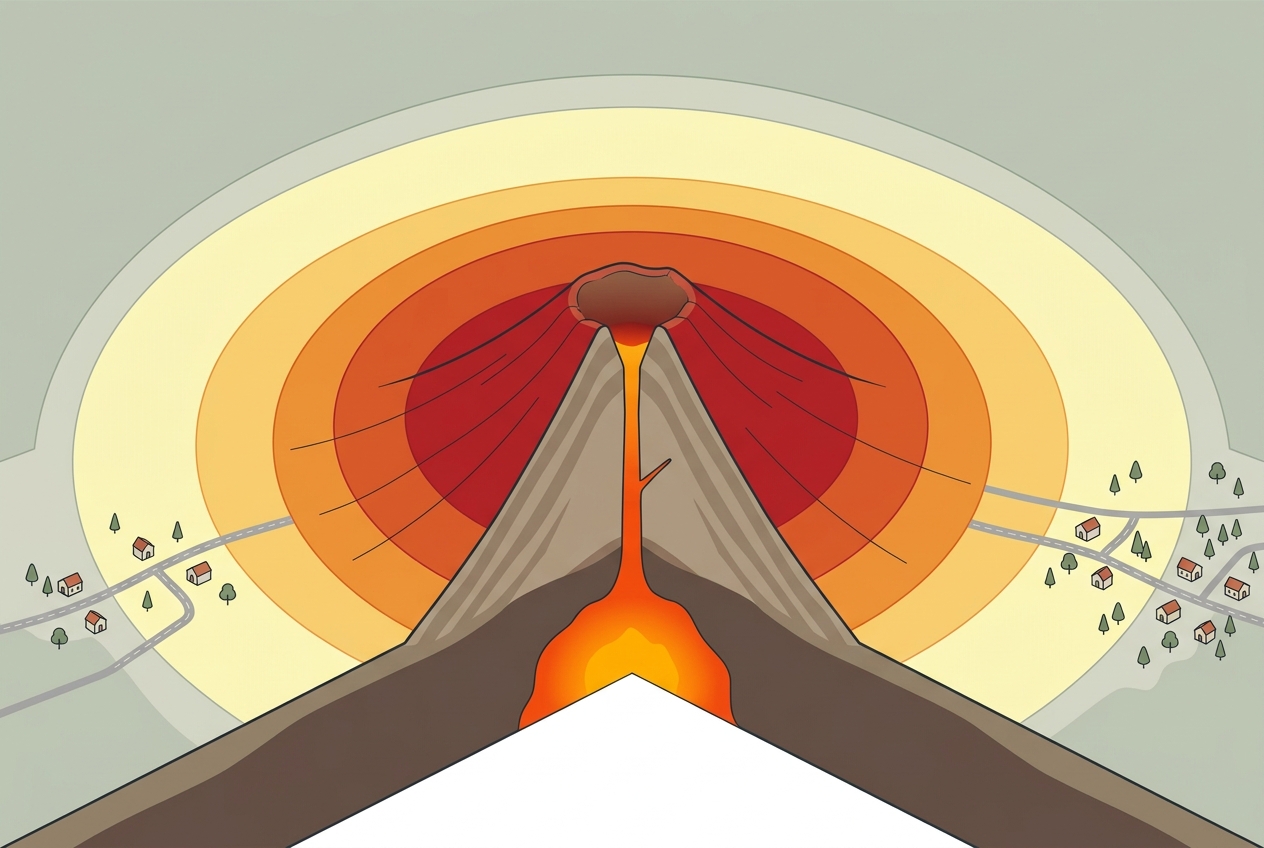
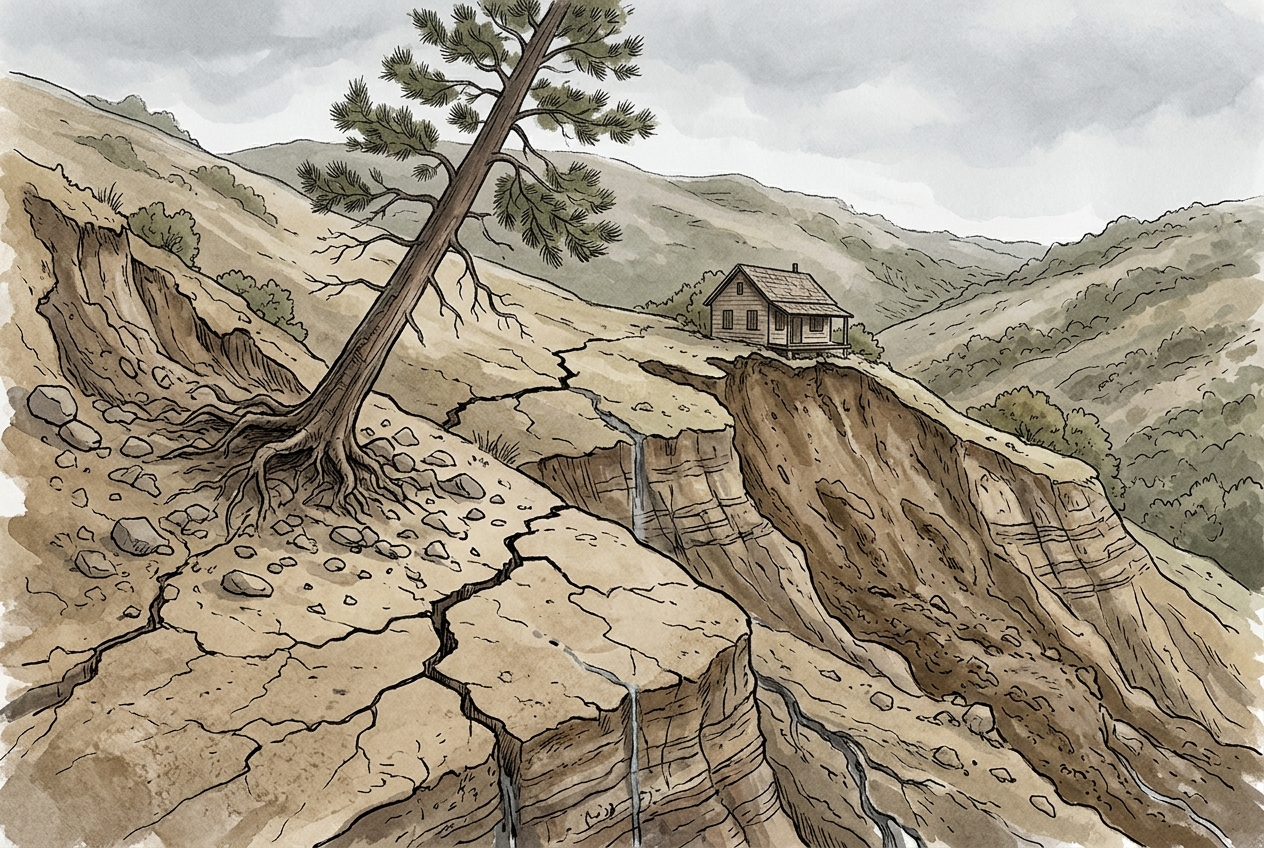
A plain-language walkthrough of what each PHIVOLCS volcano alert level actually means and what families near Taal, Mayon, Kanlaon, Bulusan or Pinatubo should do at each stage, from routine awareness to mandatory evacuation.
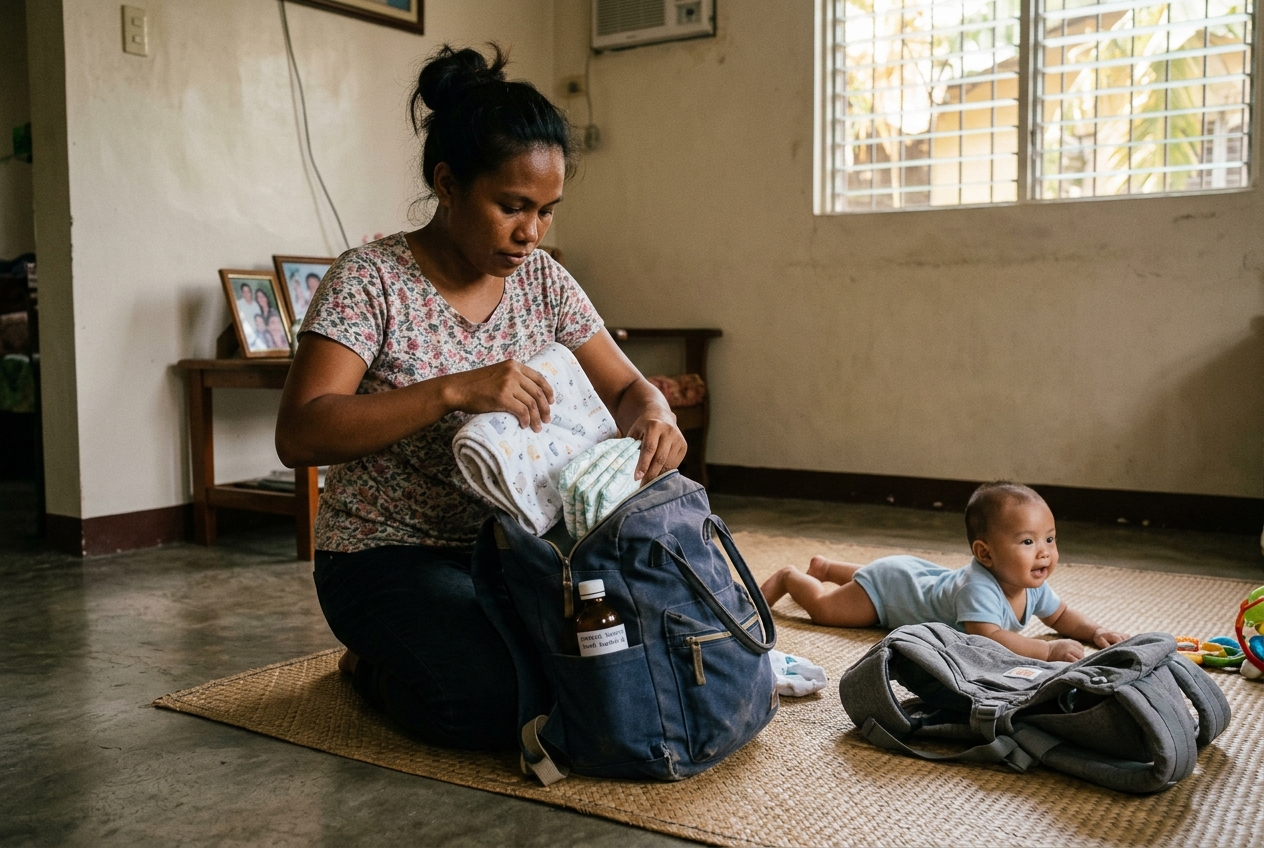
What to pack beyond the standard go-bag when there's a baby under two in the house, and how to size it so one adult can carry both the child and the bag.
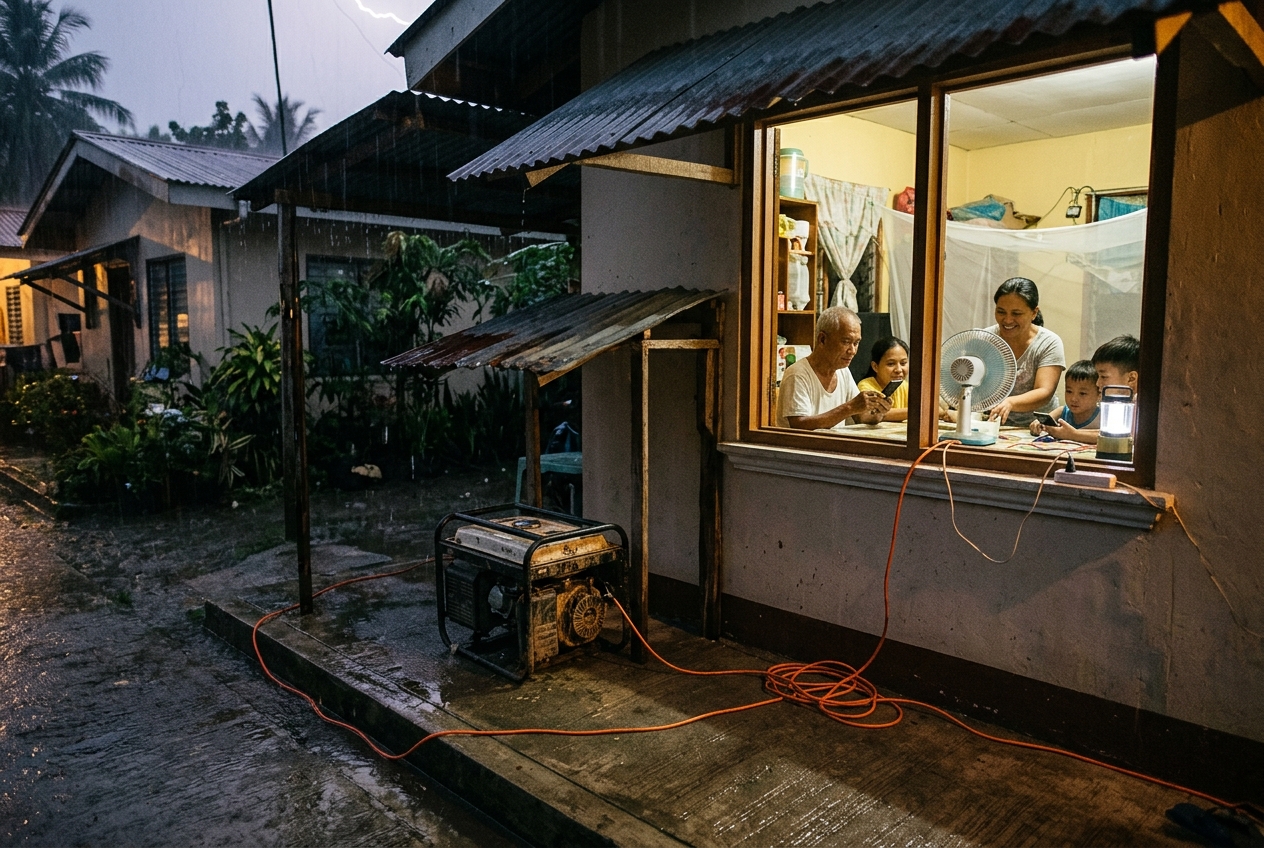
A plain-spoken guide to running a gasoline or inverter generator safely during Philippine typhoon brownouts, covering placement, fuel handling, and a no-CO alternative for simple power needs.
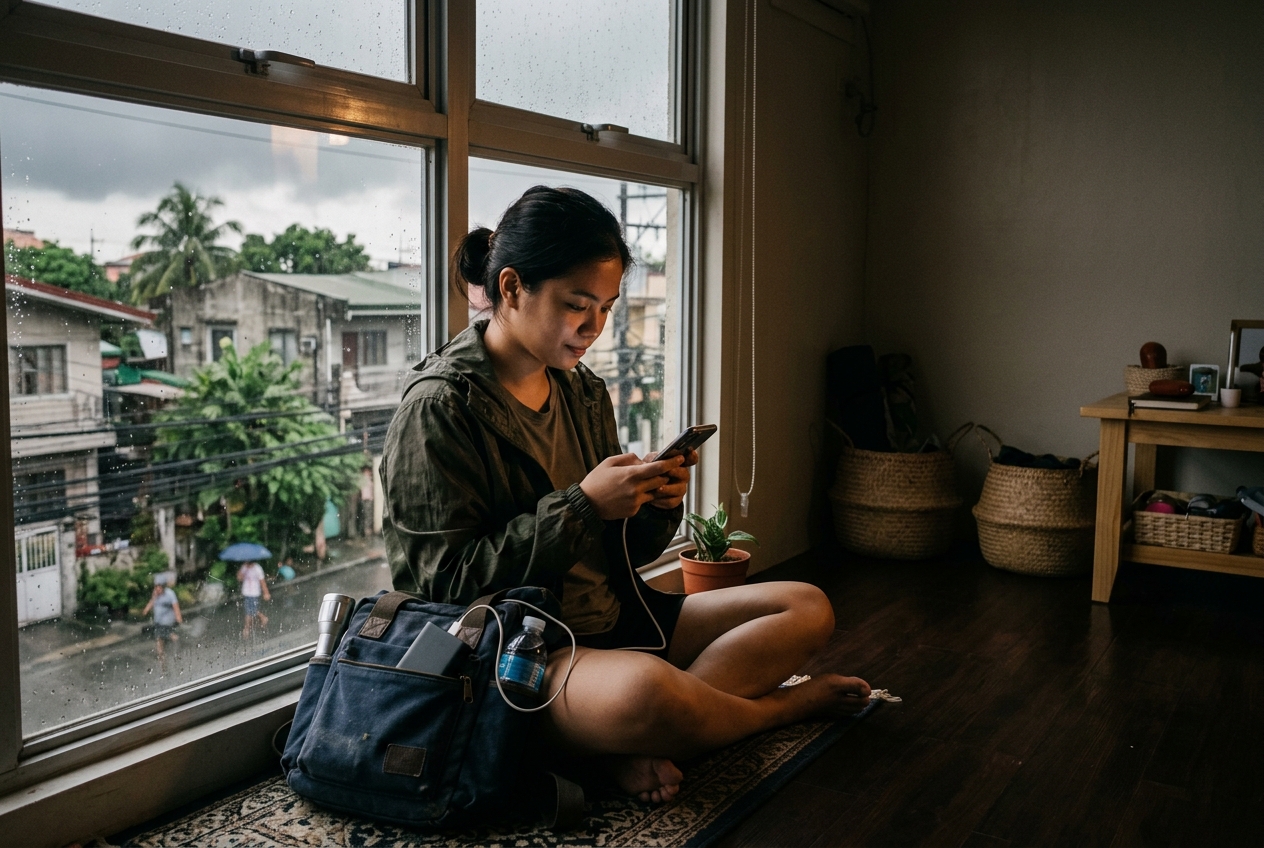
A plain-language guide to choosing one power bank that actually earns its place in a Philippine go-bag: how to read real versus fake mAh claims, why PD/QC fast charging matters before an evacuation, and how the 10,000/20,000/30,000mAh tiers trade off.
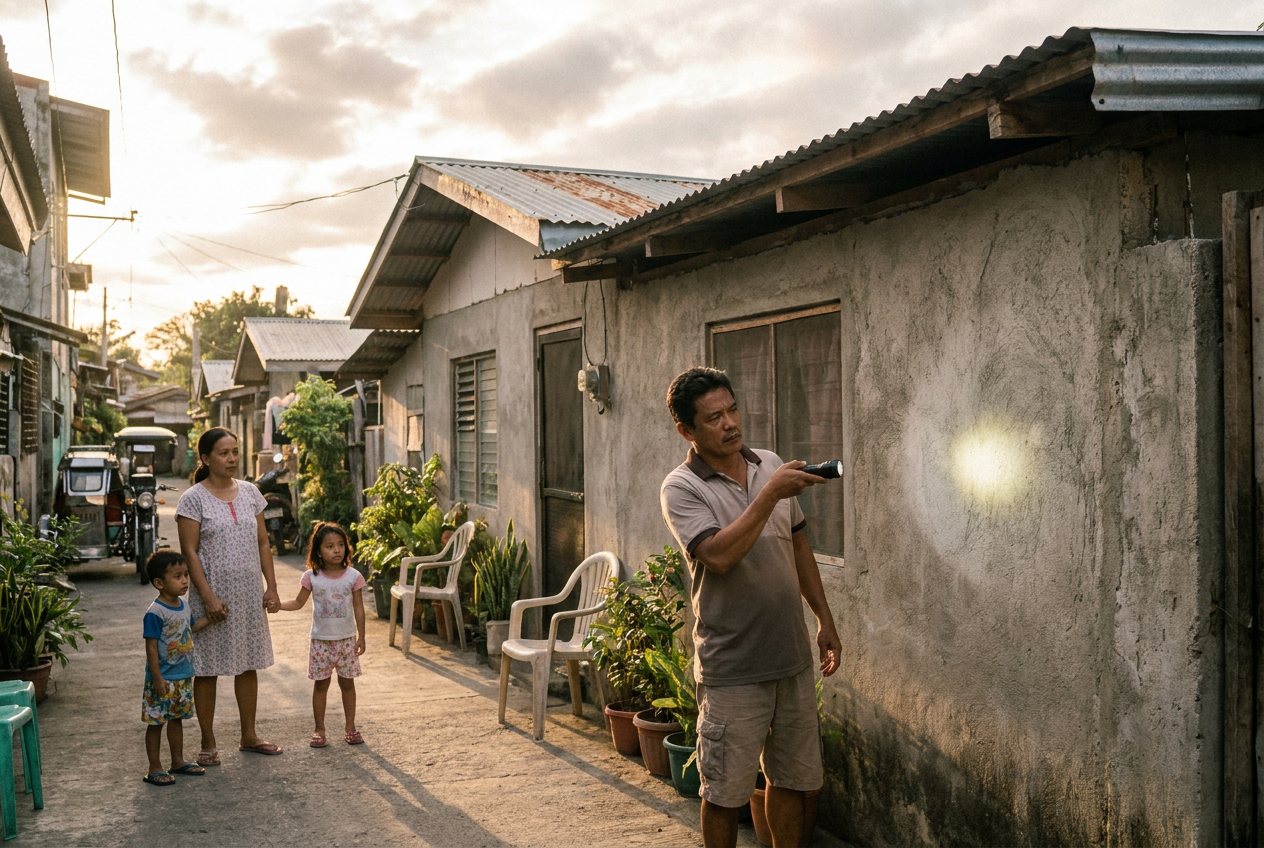
Earthquake just hit? Learn how to check your home for damage before going back inside — a step-by-step safety guide for Filipino families.
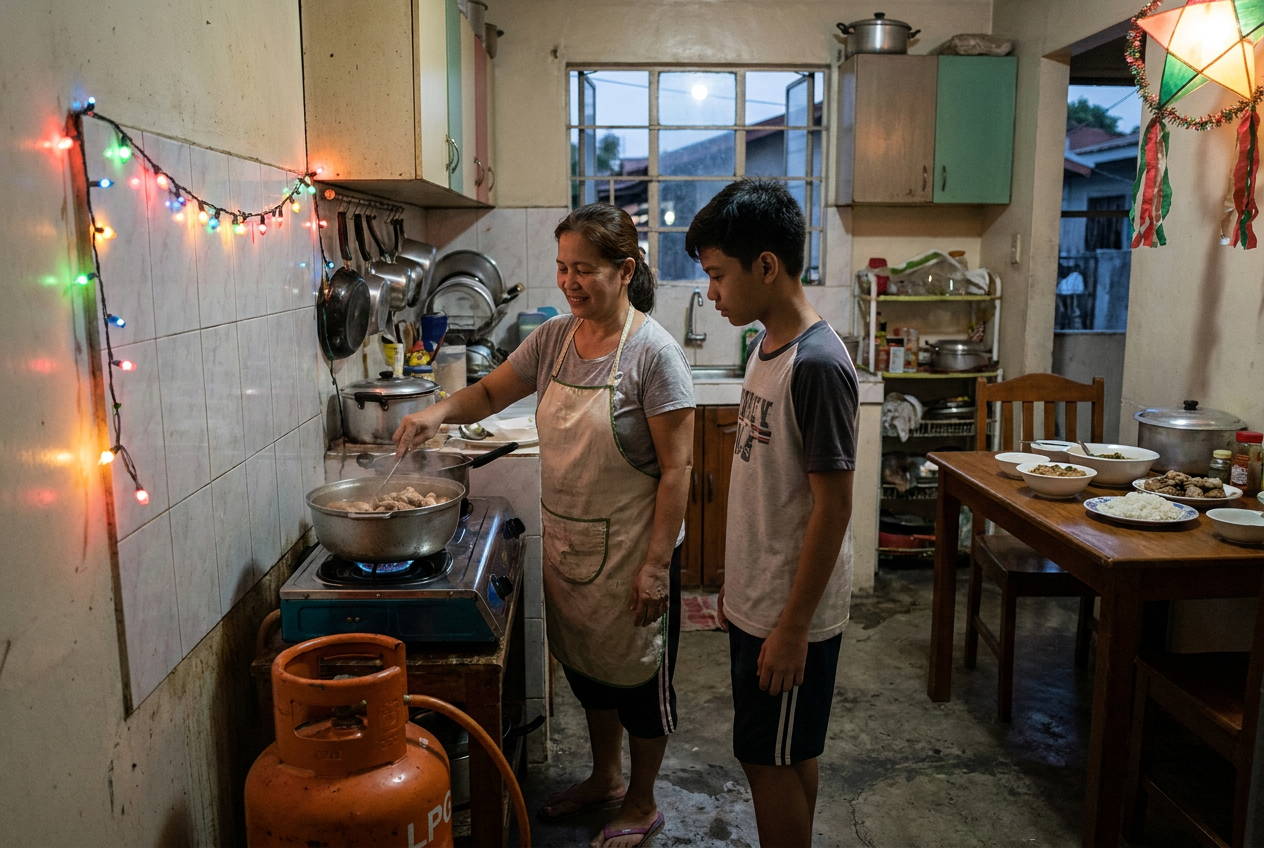
Avoid holiday house fires: safe noche buena cooking, DTI-marked Christmas lights, and LPG handling tips every Pinoy household needs this December.
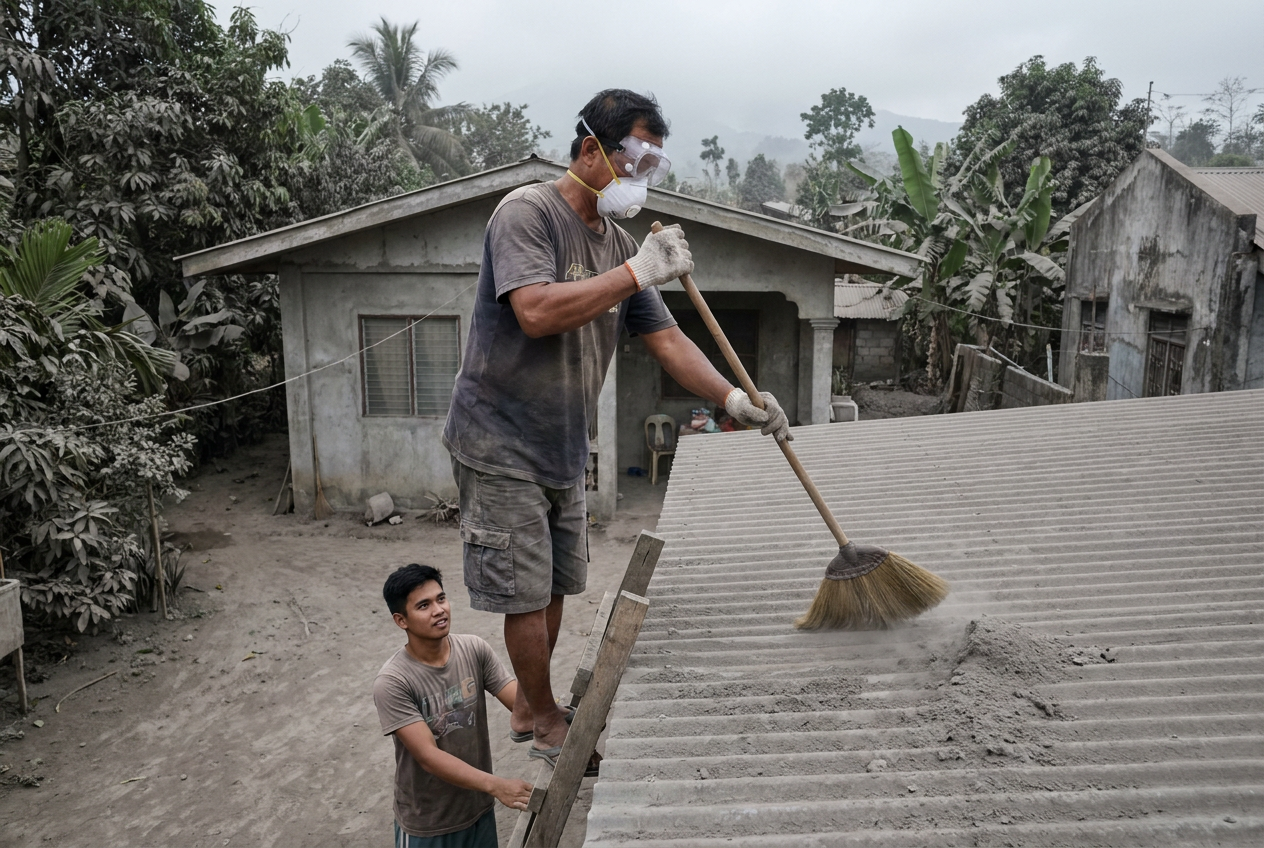
Safe ashfall cleanup guide for Filipino homes: clear roofs, rooms, and yards after Taal, Mayon, or Bulusan eruptions without injury or clogged drains.
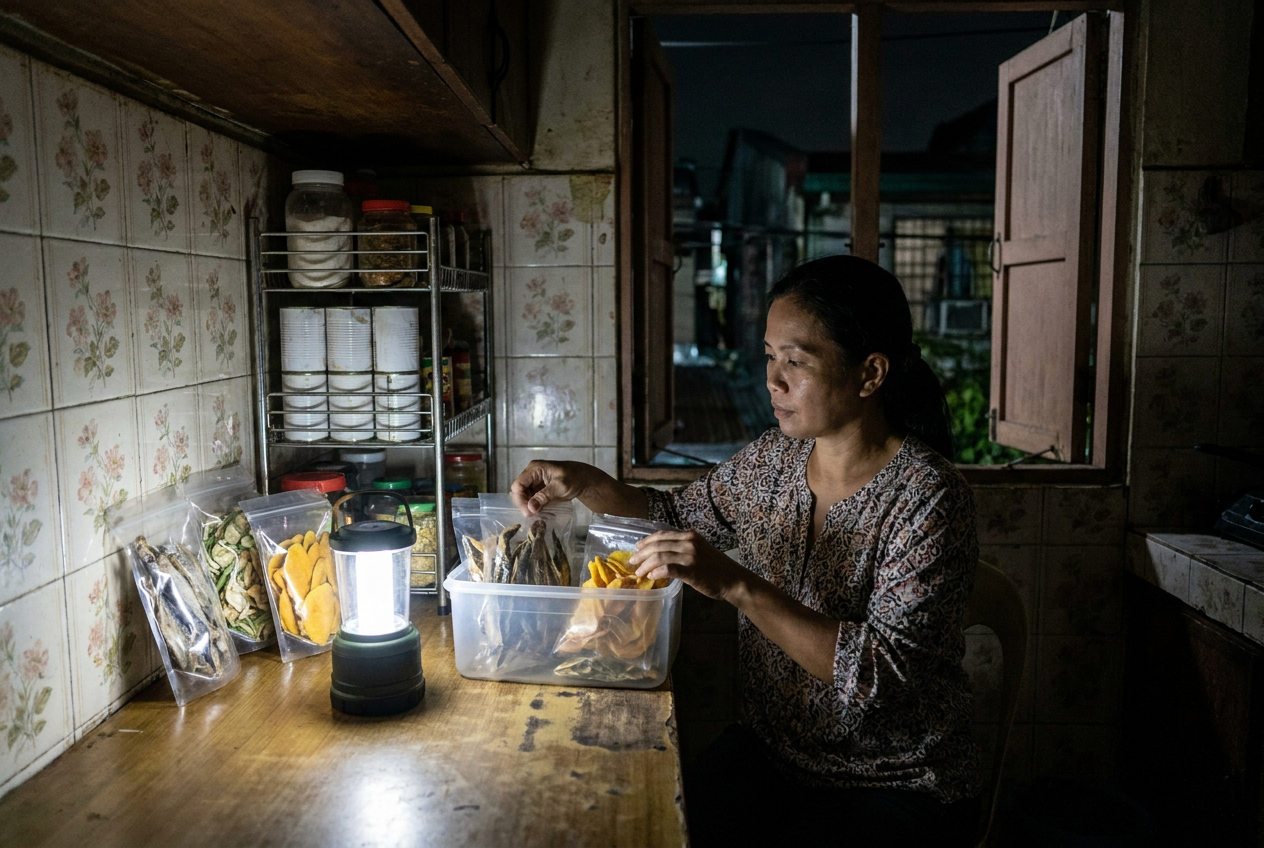
Dehydrated vs canned vs frozen food: which survives Philippine brownouts and typhoons best? A practical cost, weight, and shelf-life comparison.
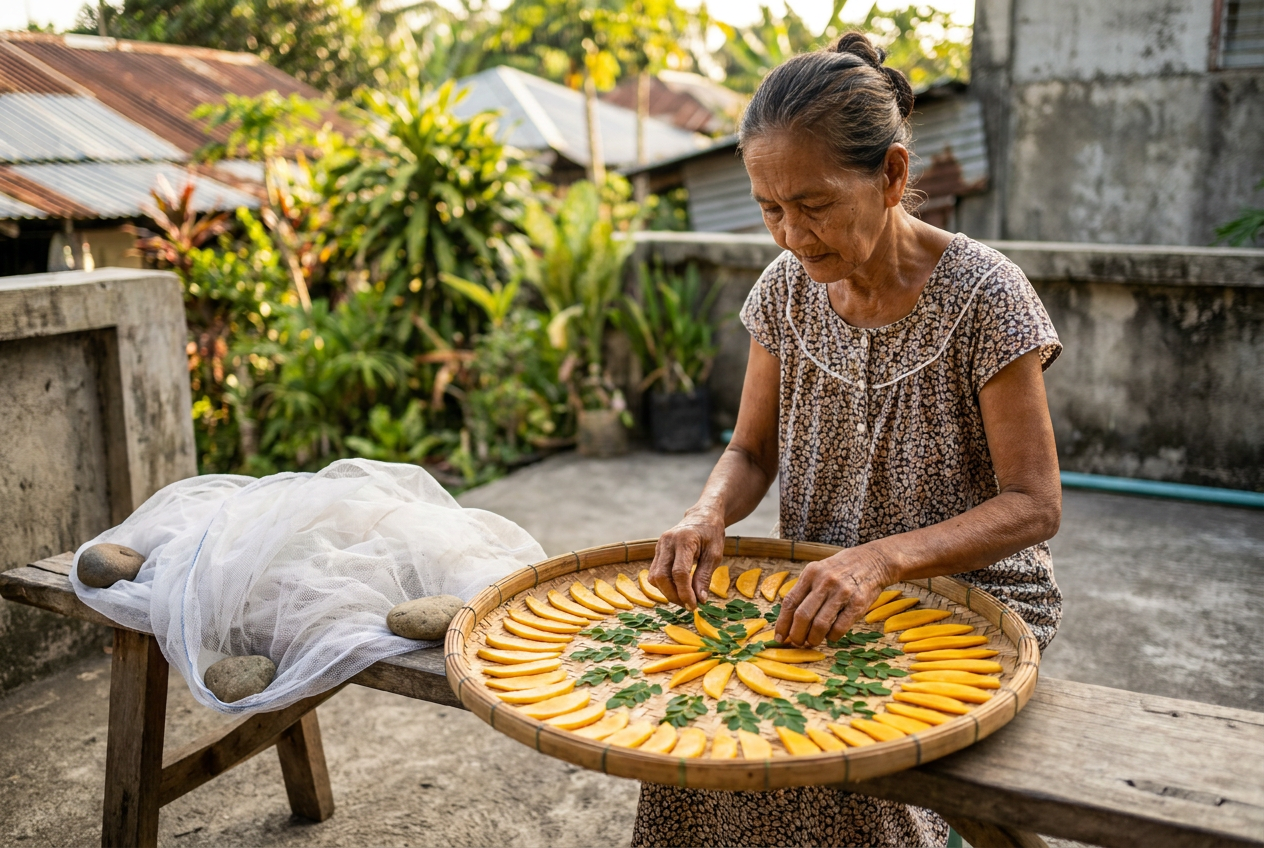
Dry mango, banana, malunggay & chili without a dehydrator. Sun-drying and oven-drying steps for shelf-stable pantry food any Filipino home can do.
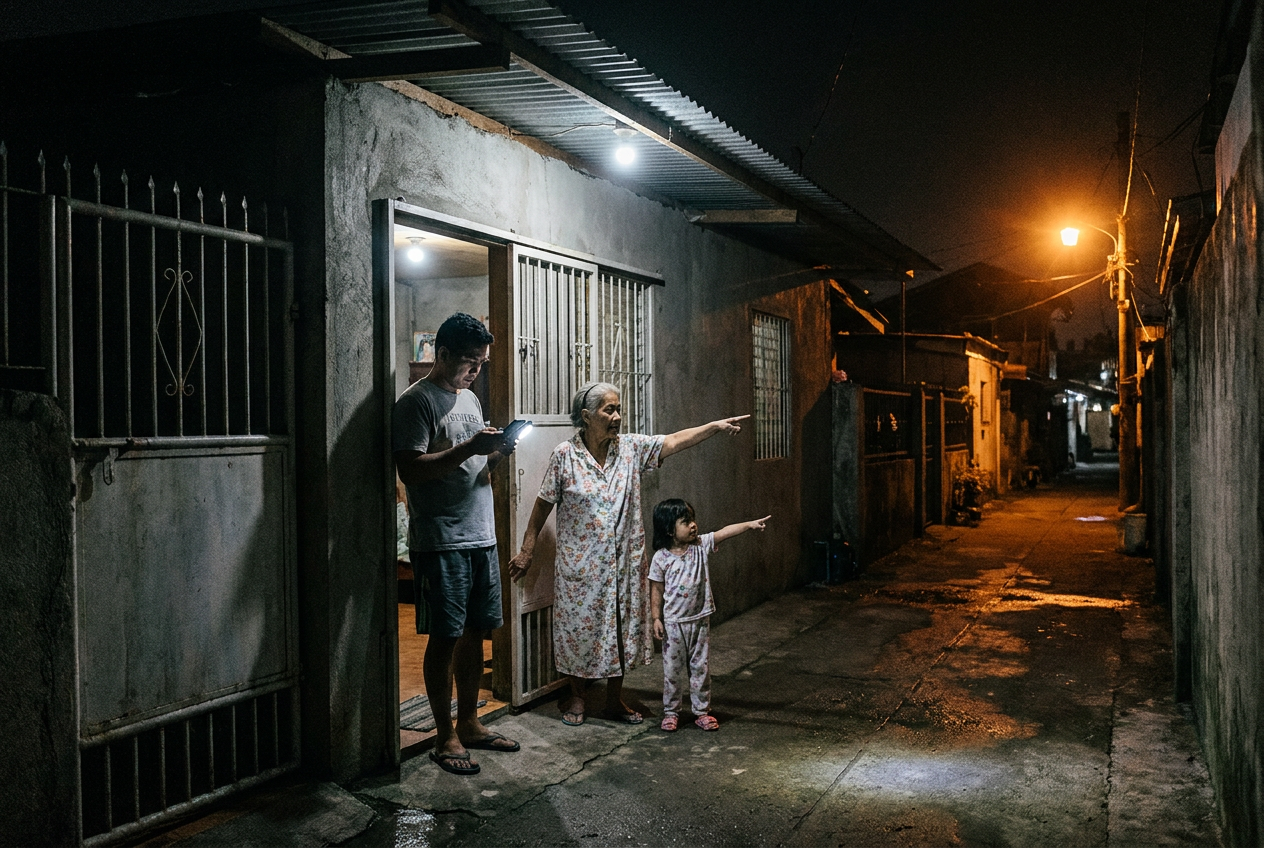
A step-by-step guide to running a real home fire drill in the Philippines — timing exits, night drills, and including kids and lolo/lola safely.
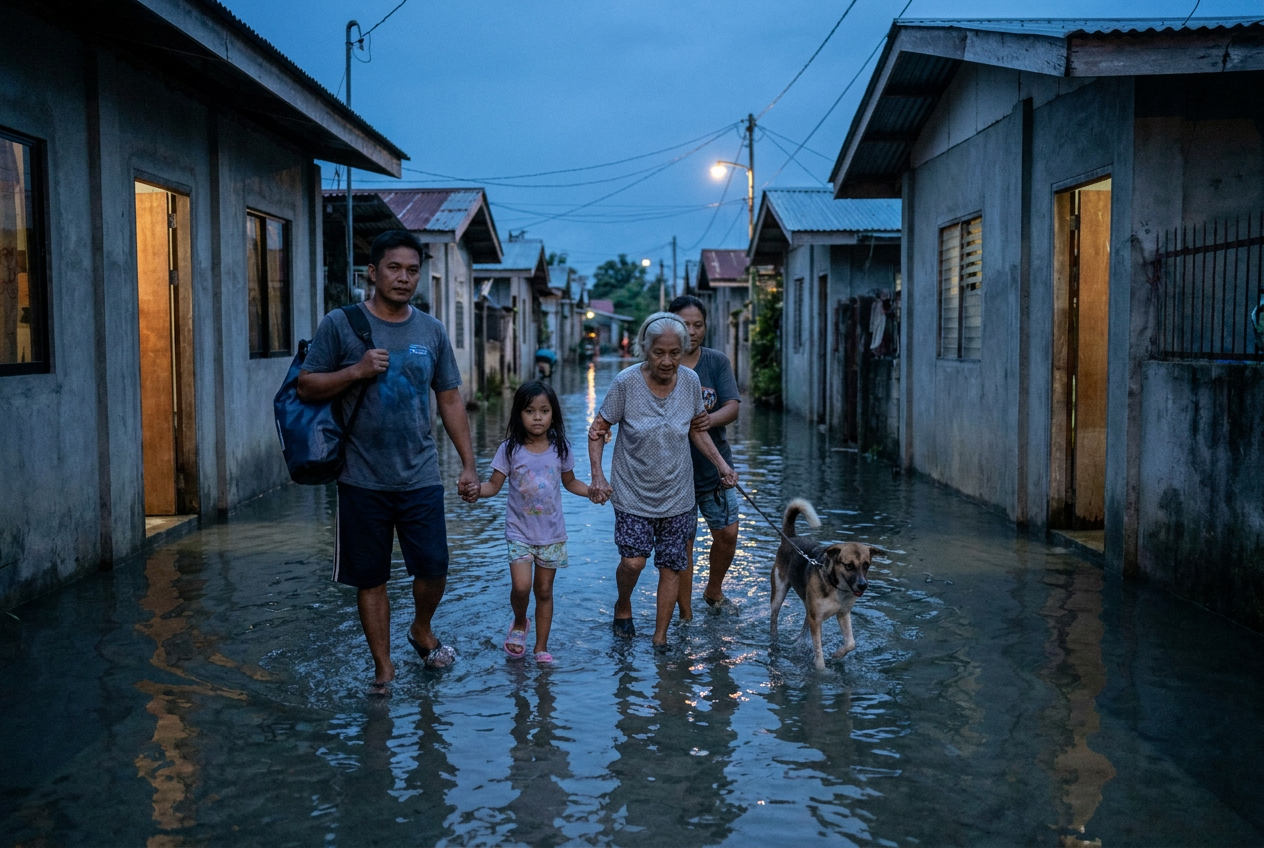
Barangay evacuation order? Learn the critical first 10 minutes: what to grab, who to gather, and where to go before floodwaters cut off your escape.
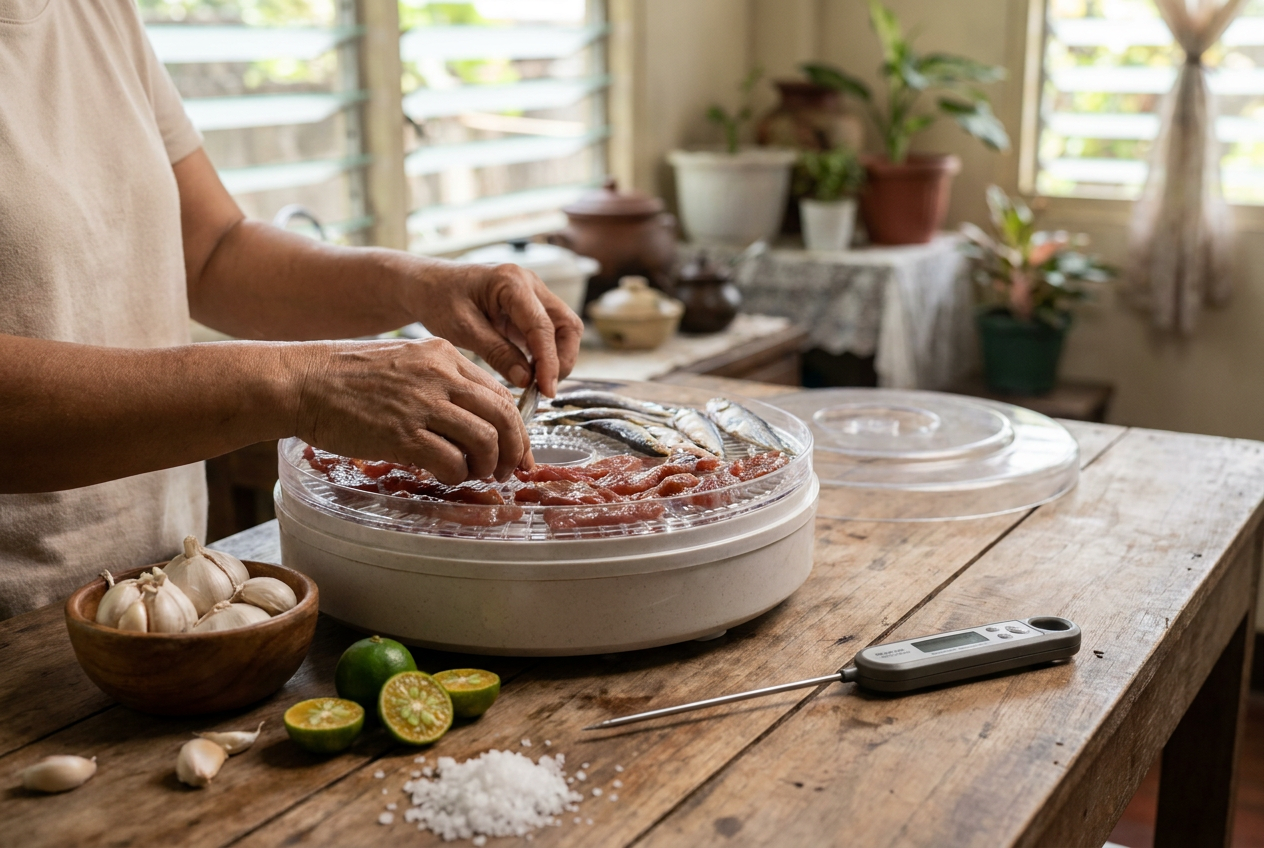
Safe tapa, tuyo, and jerky drying for Filipino emergency food stores — exact salt ratios, temperature targets, and humidity risks to avoid.
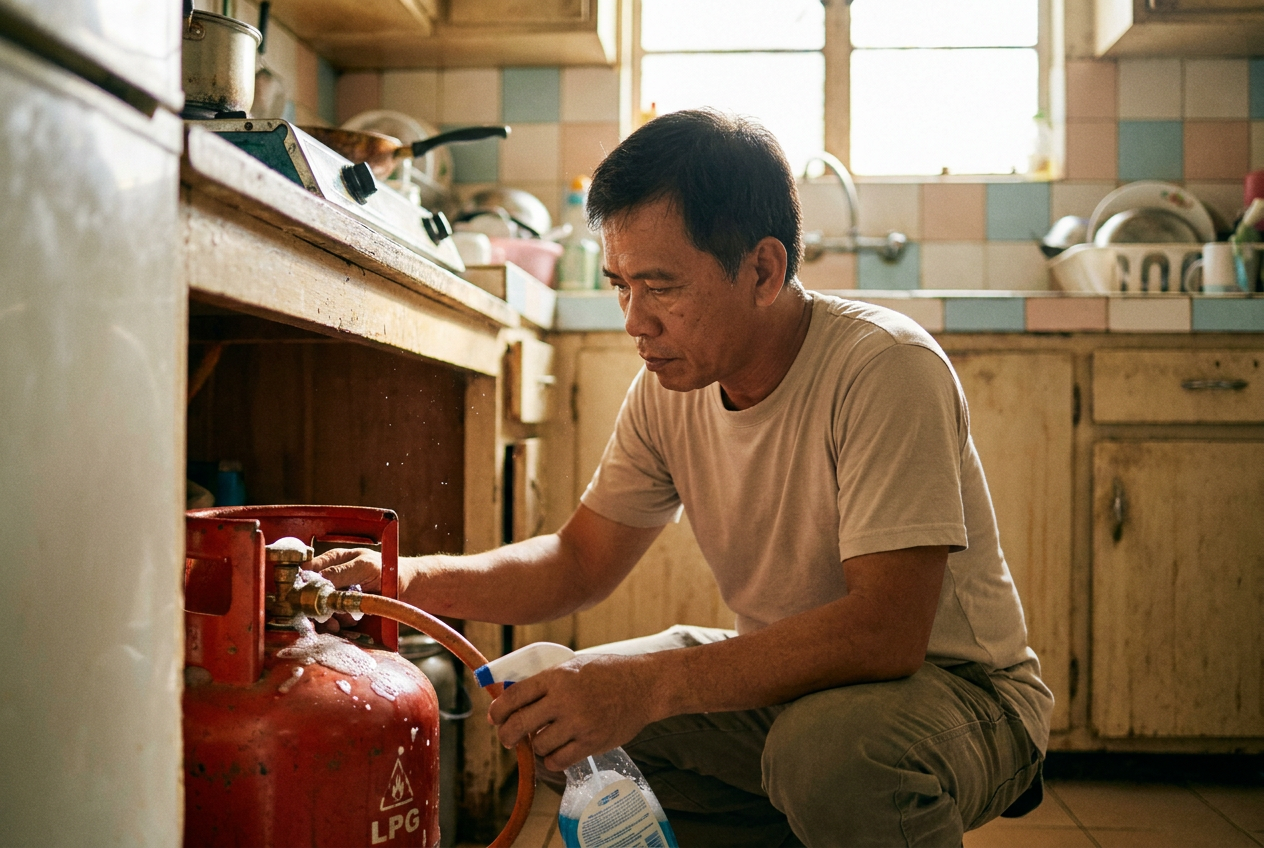
Learn to check LPG tanks for leaks, store them safely, and connect regulators right — plus what to do if you smell gas at home in the Philippines.
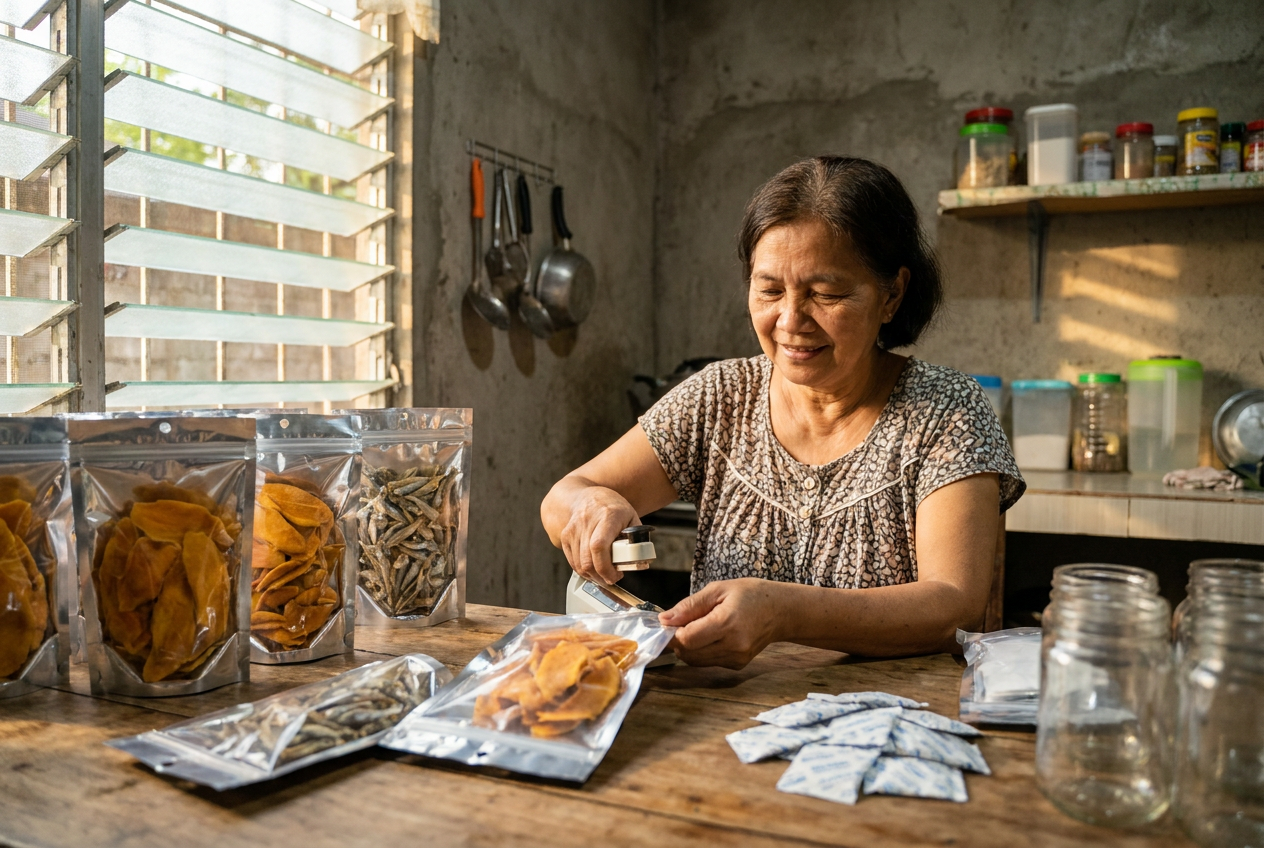
Store dried food the right way vs PH humidity: mylar bags, oxygen absorbers, vacuum sealing, and safe drying temps for meat and fish.
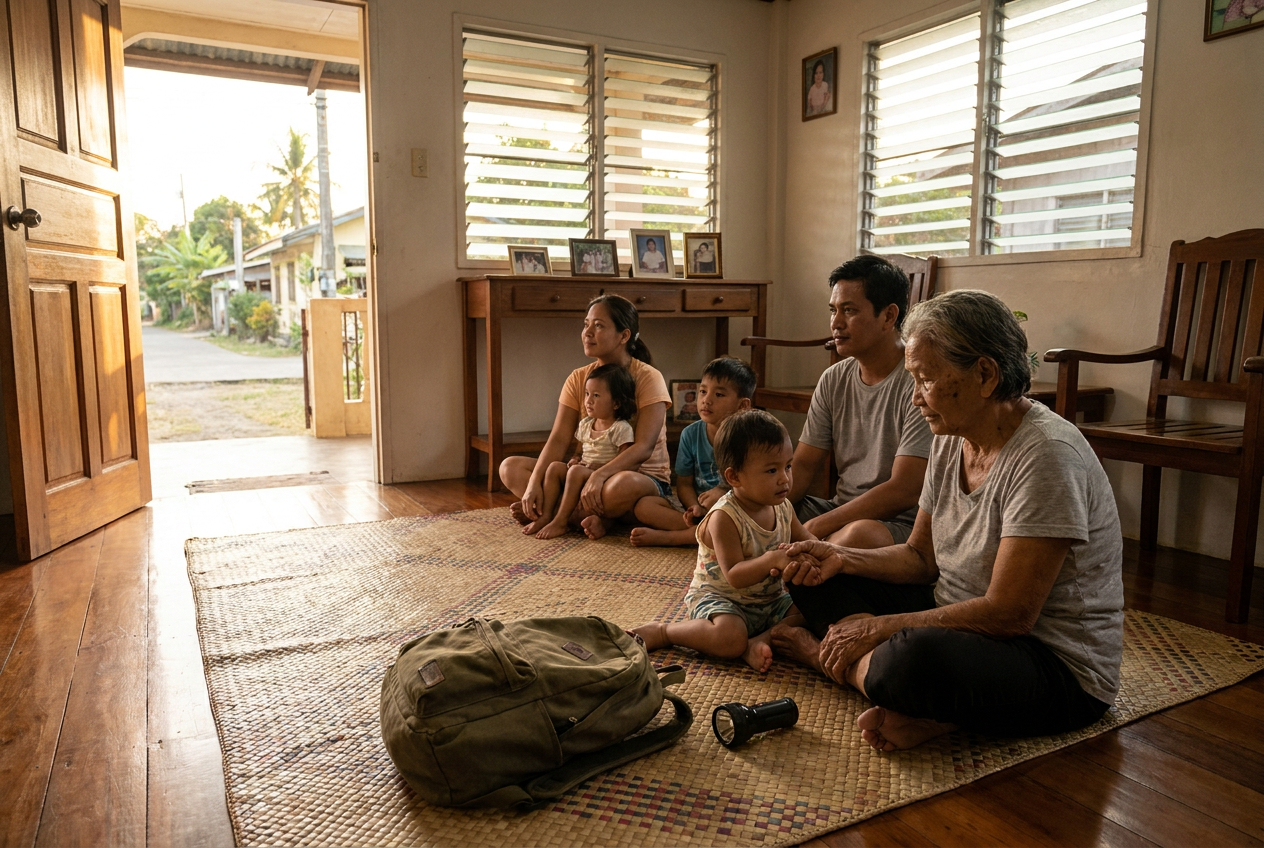
What to do after a major earthquake: handling aftershocks, checking building safety, rationing supplies, and calming family fear until PHIVOLCS gives the
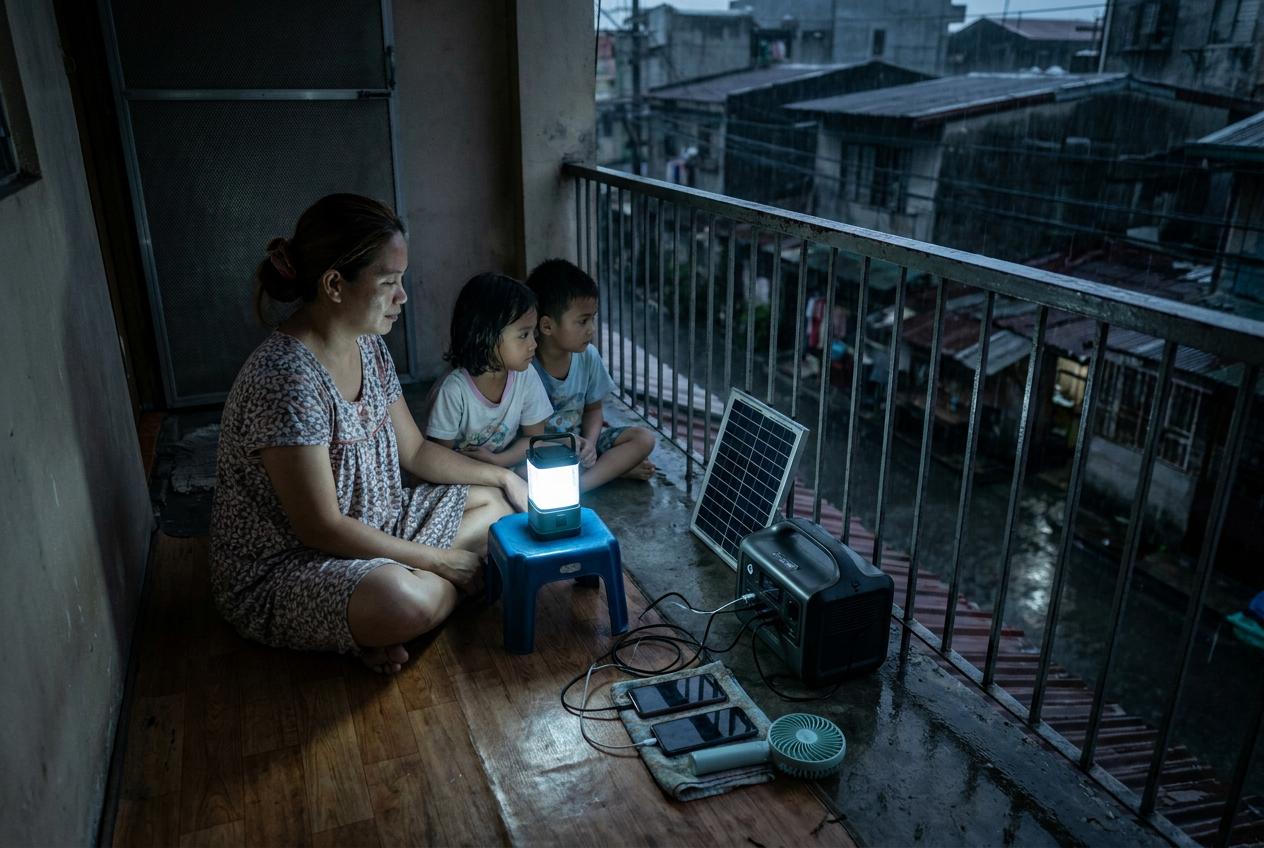
Portable solar kit or rooftop system? A clear guide for Filipino households on solar power for brownouts and typhoon outages — costs, capacity, permits.
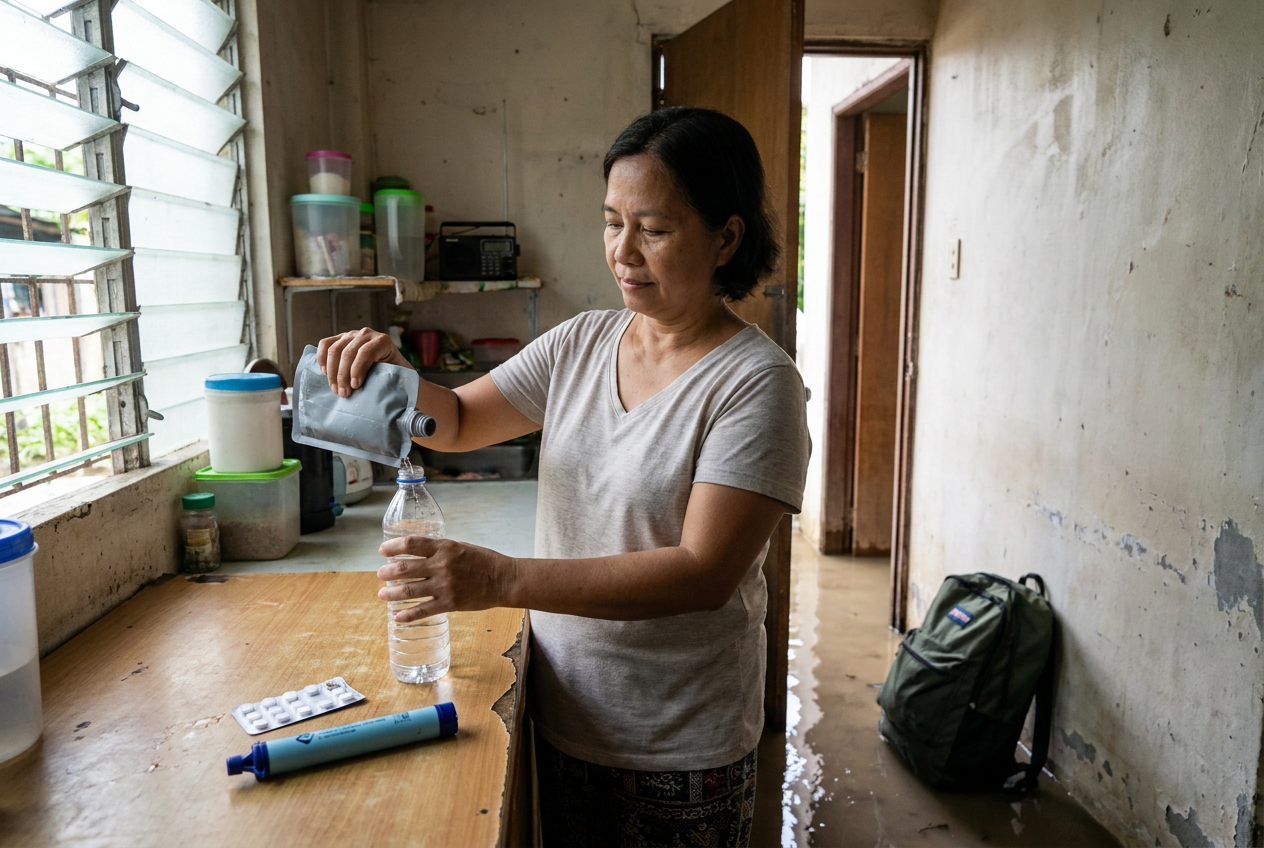
Chlorine tablets, iodine, straw, squeeze, or gravity filter? A plain guide to picking the right water purifier for your Philippine go-bag or home kit.
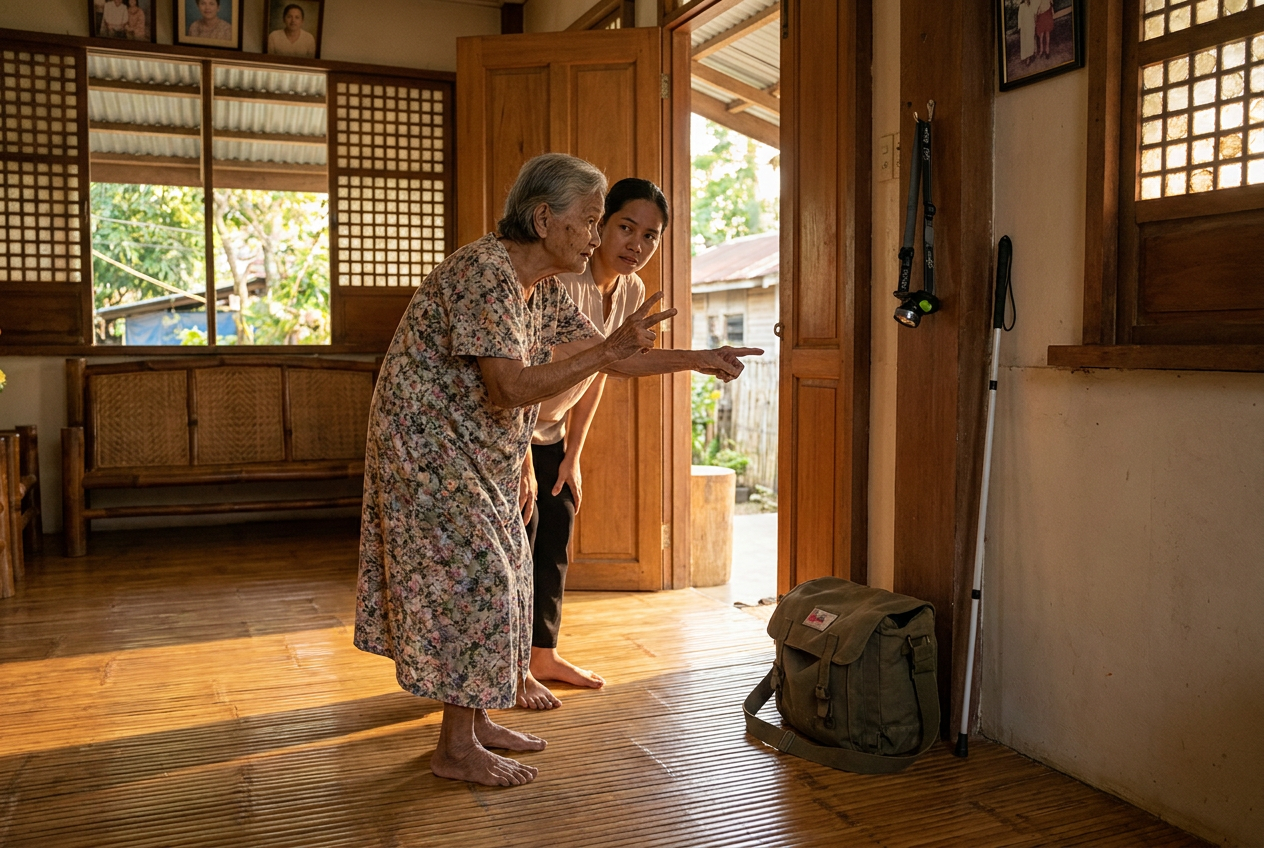
Emergency plan tips for Filipino families with a deaf, blind, or disabled member: buddy systems, warning tools, and barangay registration steps.
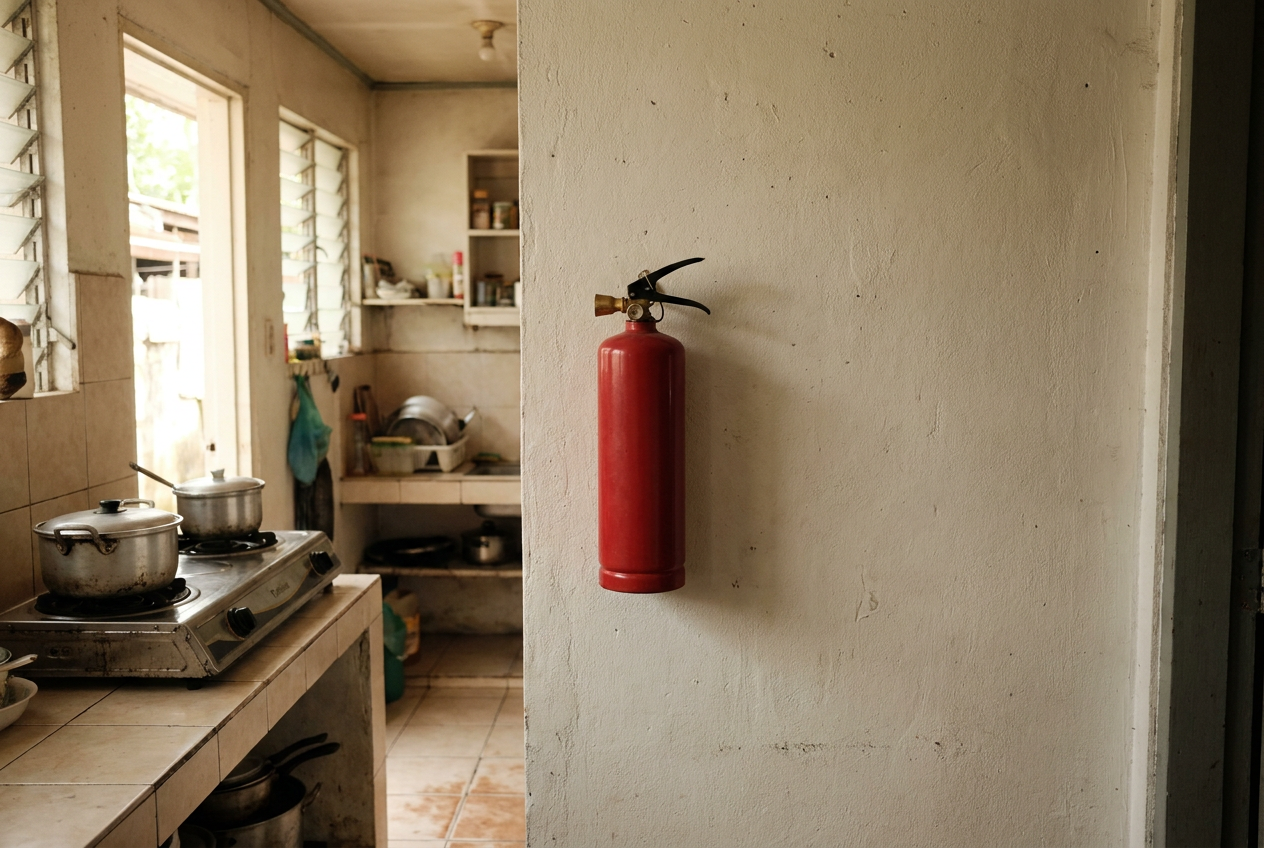
How to choose the right fire extinguisher for your Philippine home: ABC dry chemical type, correct kg size, mounting spot, and BFP rules explained.
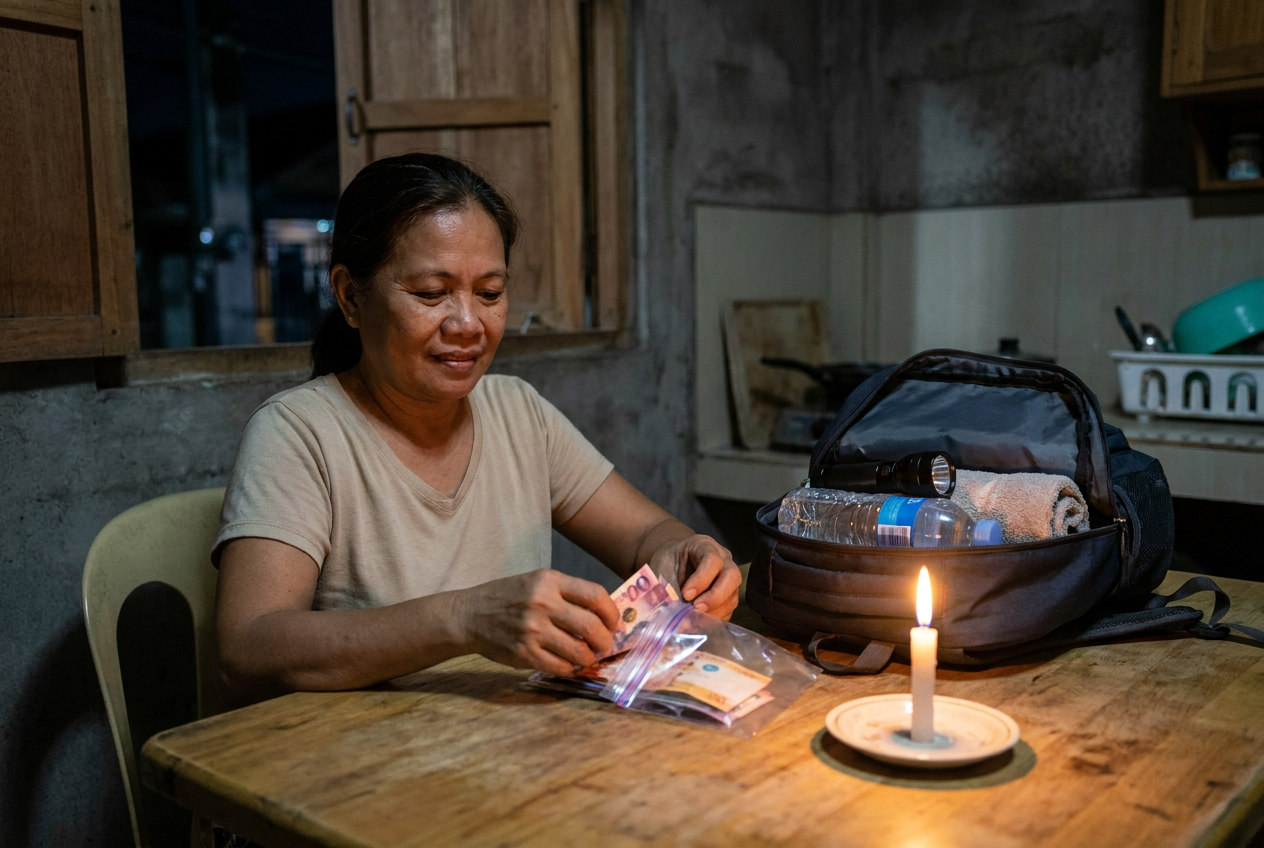
How much emergency cash to keep at home, in what bills, and how to store it safely for brownouts, typhoons, and network outages in the Philippines.
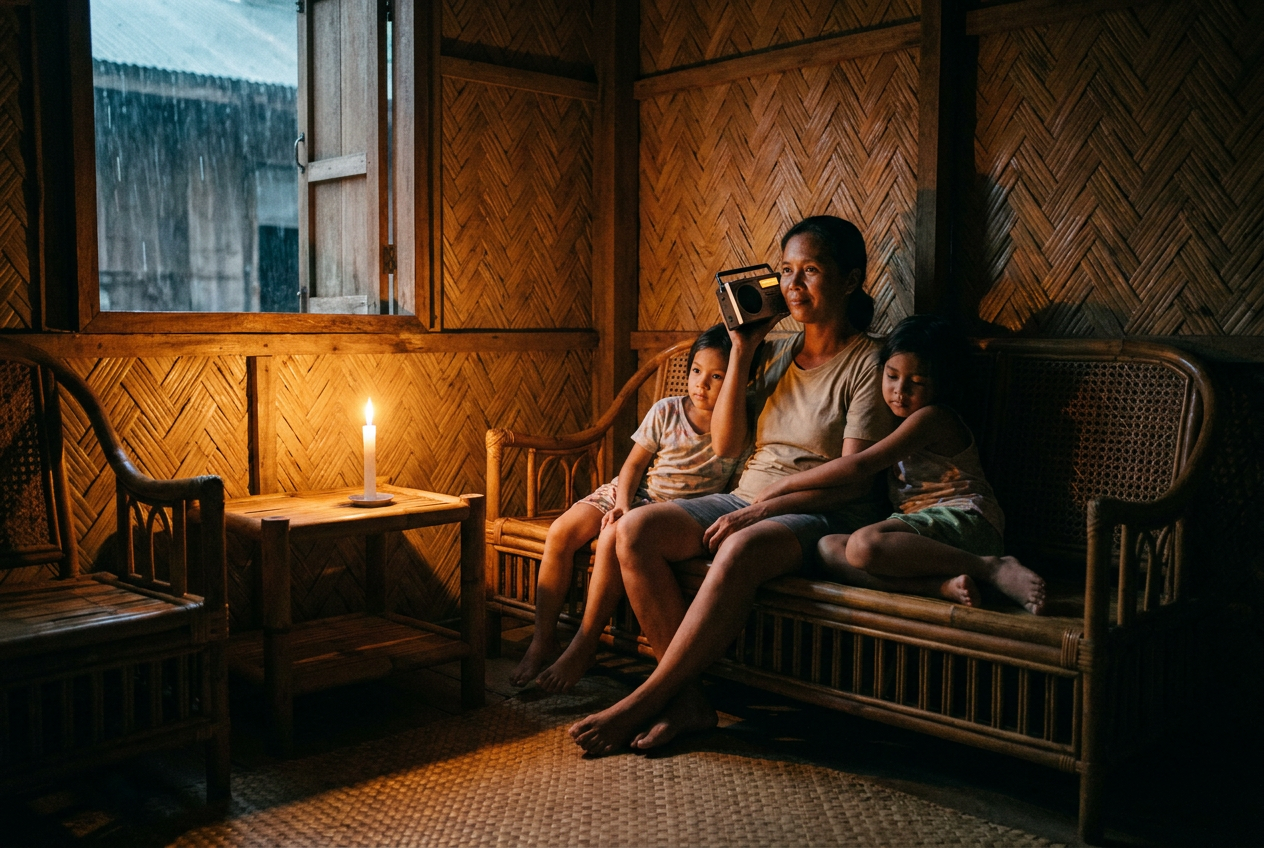
Choosing an emergency radio for PAGASA typhoon updates in PH: hand-crank vs solar, AM/FM specs that matter when power and signal fail.
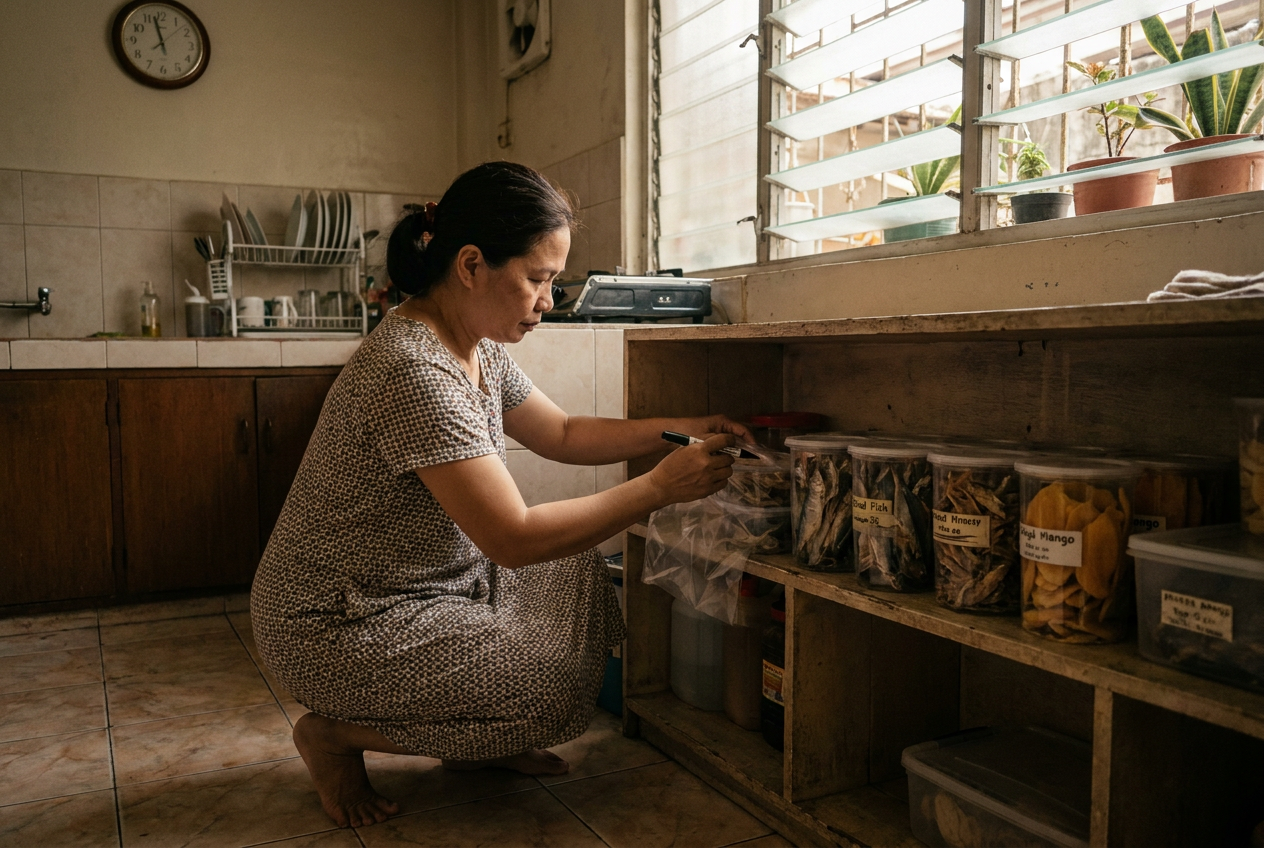
A simple FIFO system to rotate dried food stock in small Filipino kitchens, so nothing expires unnoticed before the next typhoon season hits.
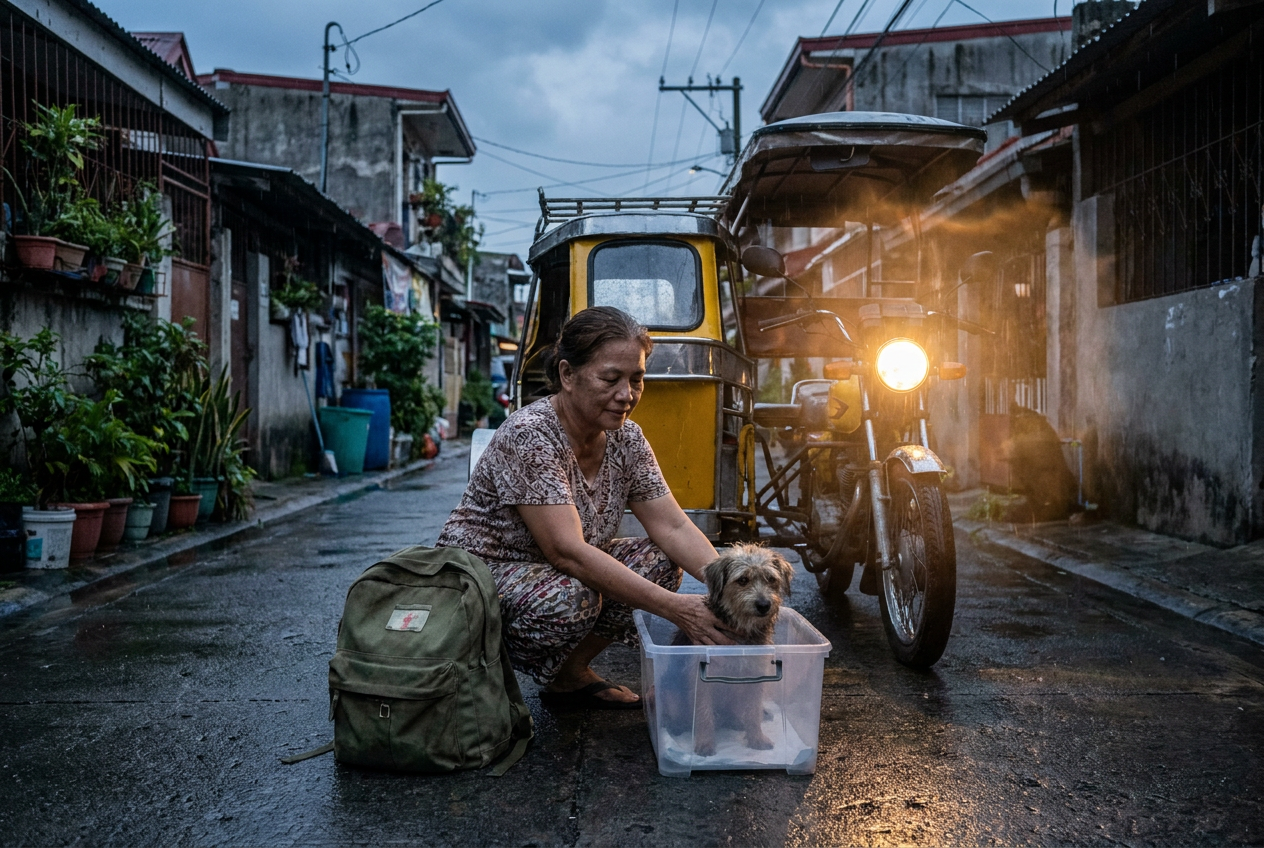
Barangay evacuation order? Here's how to prepare your dog or cat: pet-friendly shelters, a pet go-bag checklist, and calming tips for the road.
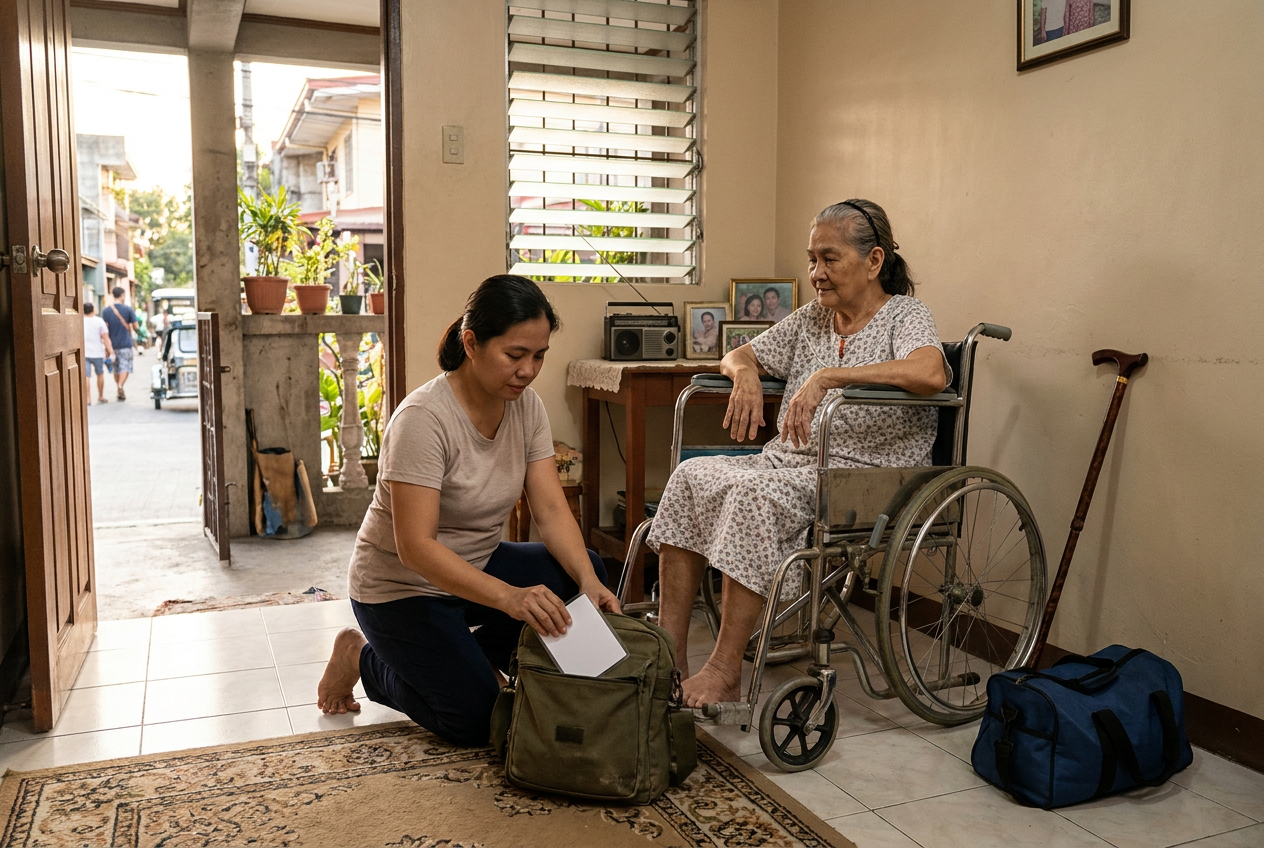
Go-bag guide for Filipino caregivers of bedbound or mobility-limited lolo/lola: caregiver bag, care summary, mobility aids, and backup helper plan.
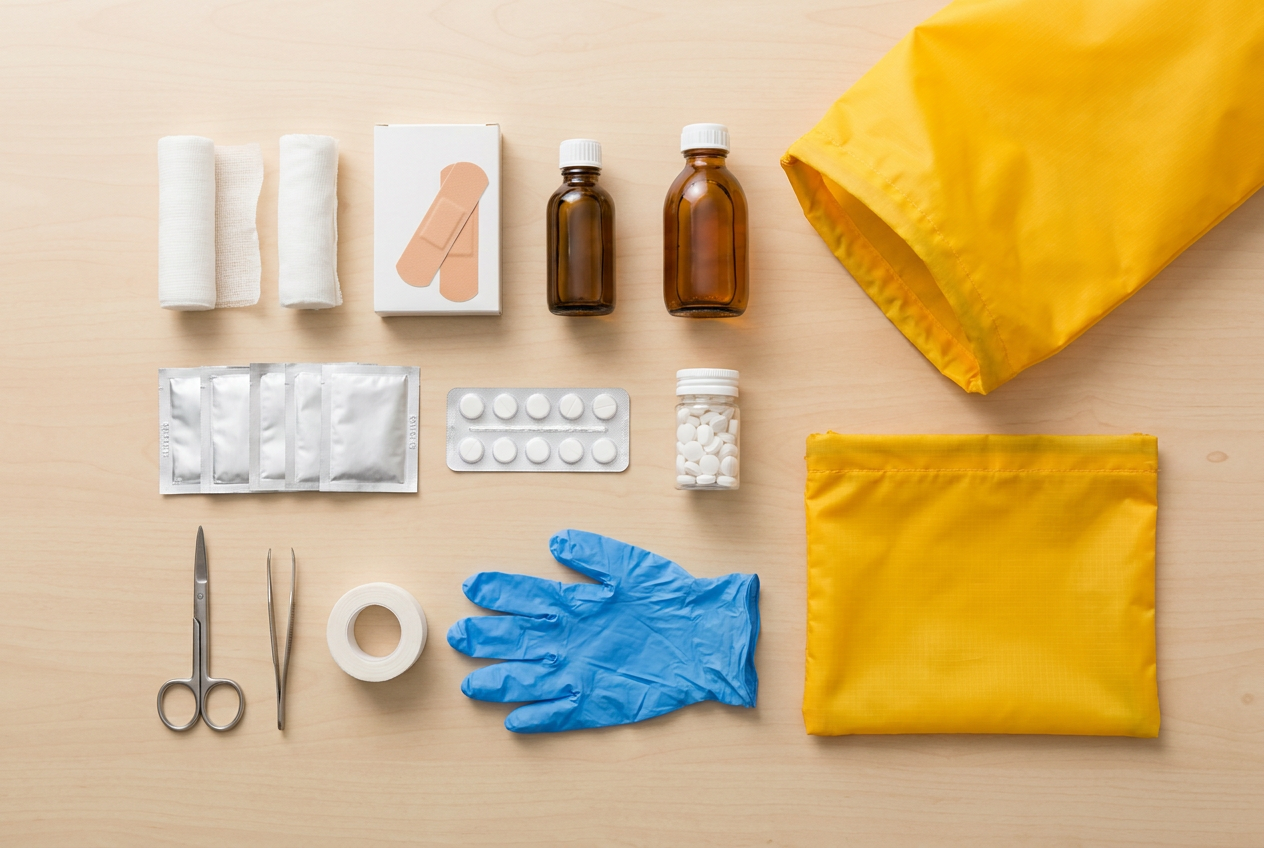
Build a DIY Filipino household first aid kit: wound care, OTC meds, storage tips sized to your budget for typhoons, floods, dengue season, and daily
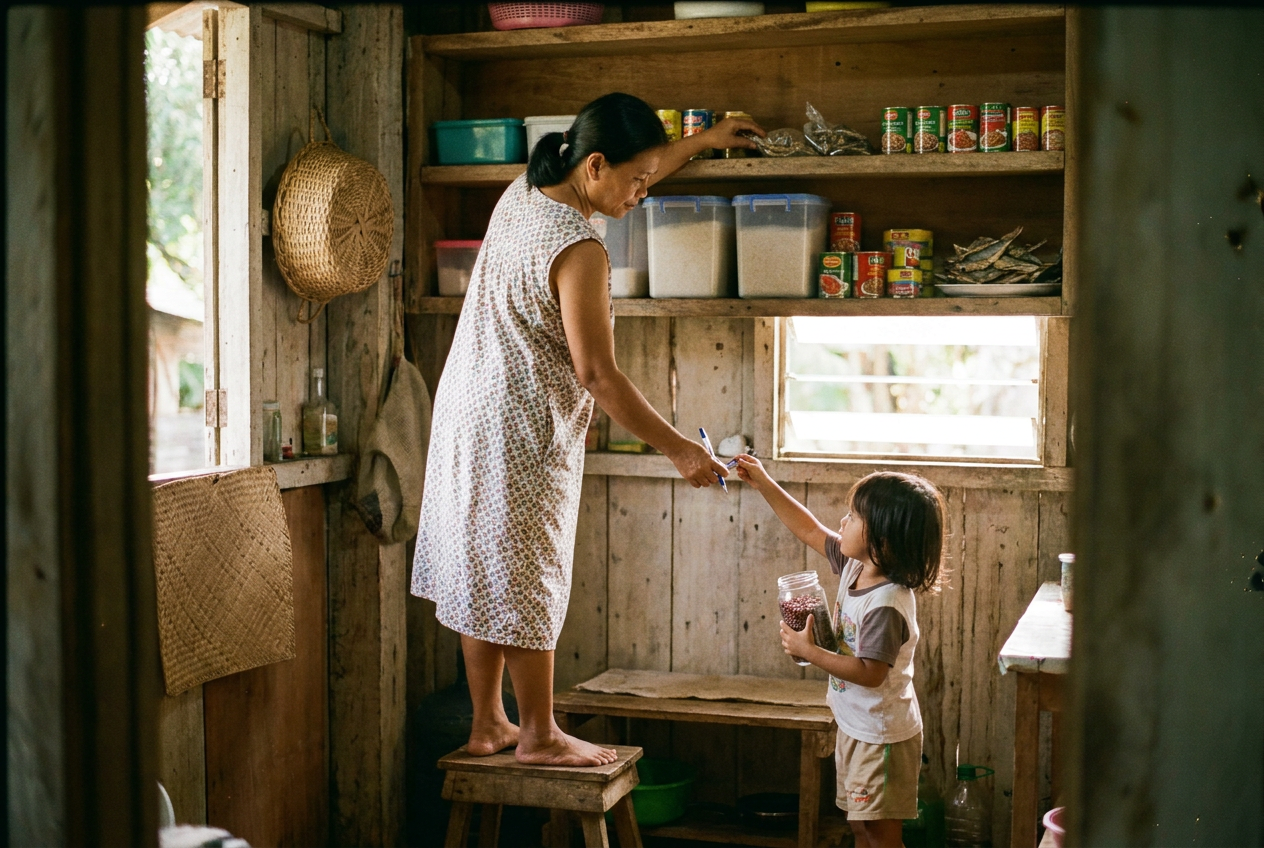
20 long-term storage foods every Filipino household needs, plus 3 storage tips each to survive heat, humidity, pests, and floods.
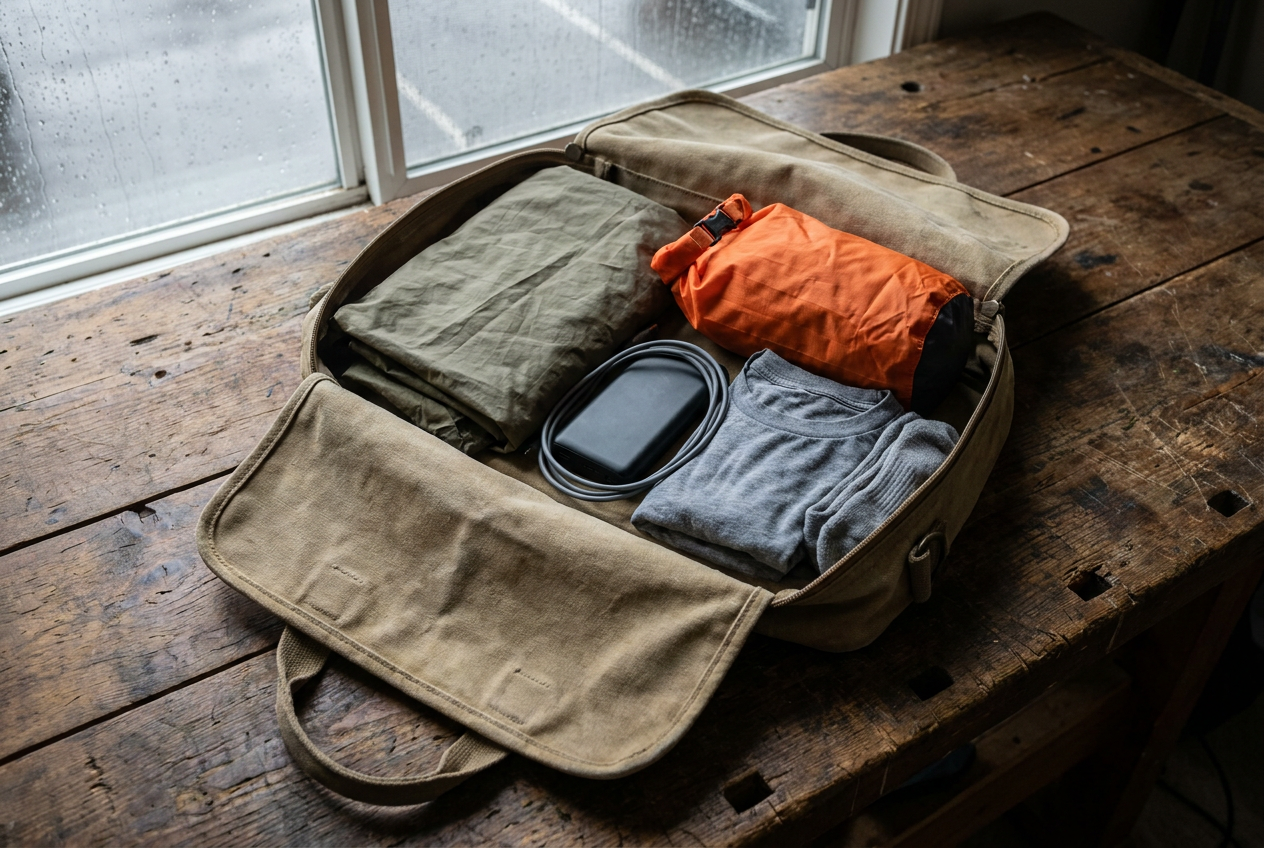
A practical typhoon commute bag checklist for Filipino commuters: dry bag, cash, power bank, dry socks — stay ready when floods strand you away from home.
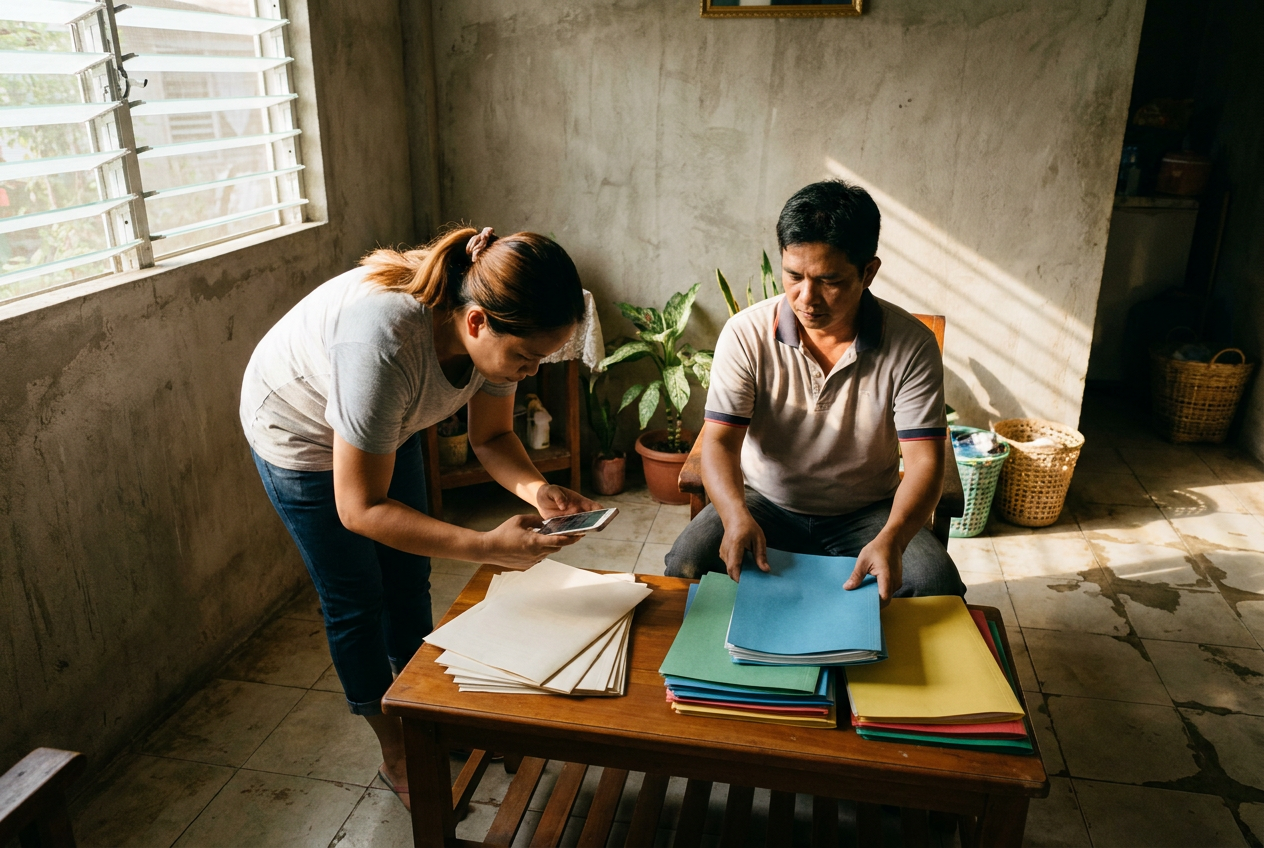
Back up IDs, land titles, and records before a flood or typhoon hits. Free step-by-step guide: cloud storage, phone folders, and a trusted-person copy.
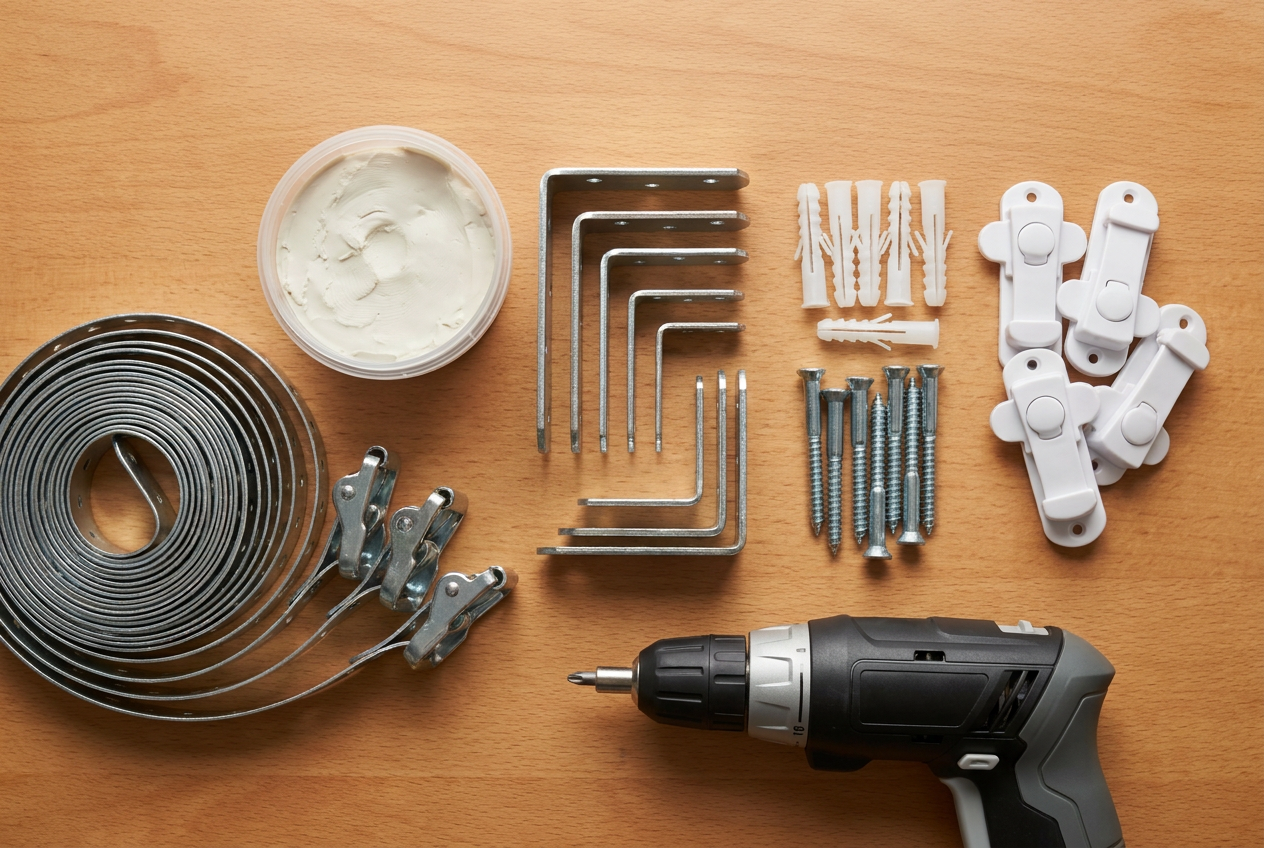
Room-by-room guide to earthquake-proofing your PH home: anchor shelves, fridges, TVs and cabinets with budget hardware and peso prices. Renter-friendly.
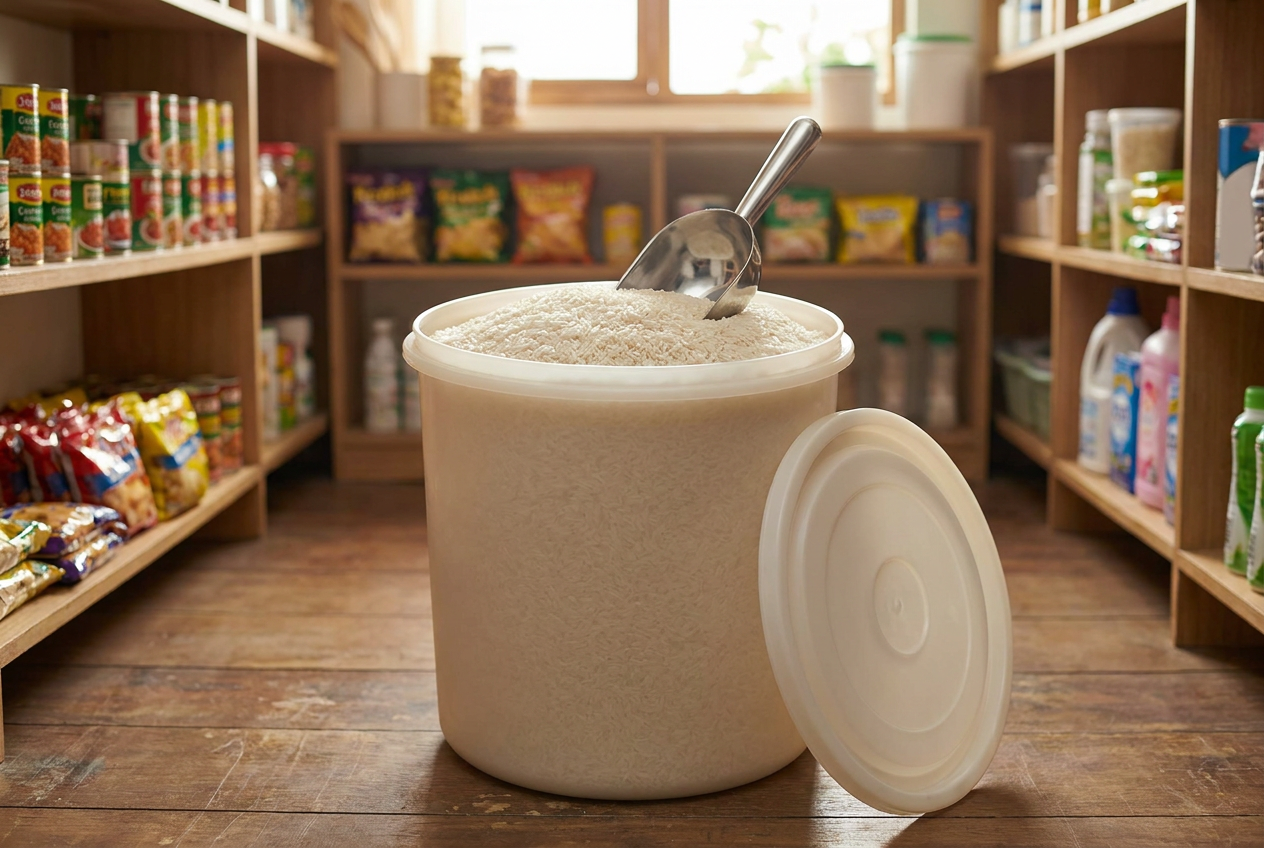
How to store a 25kg sack of rice in a food-grade container: right size, HDPE/PP codes, sealing tips, and safe storage spots for Filipino homes.
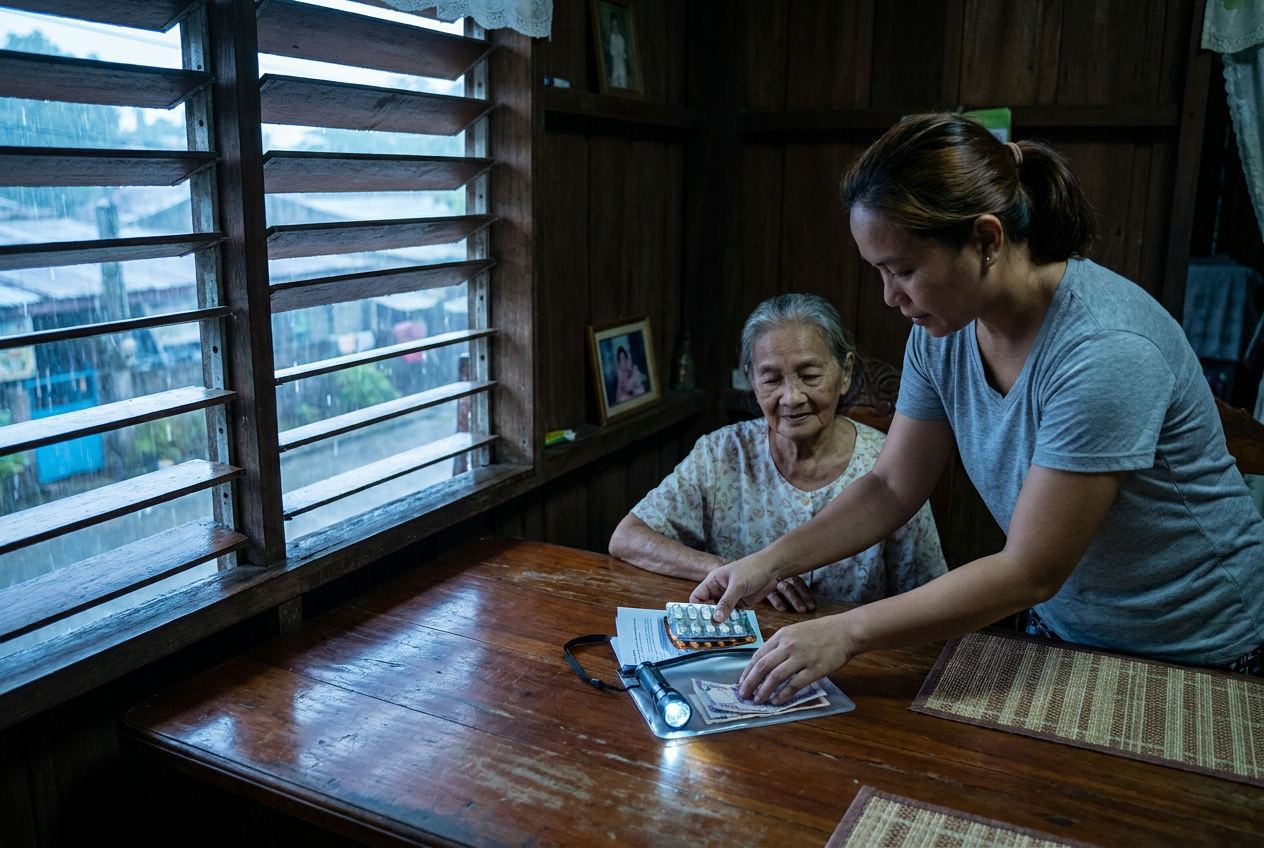
Keep a lolo, lola, or parent's maintenance medication safe and on schedule during a typhoon or flood — what to prepare, store, and who to call if supply
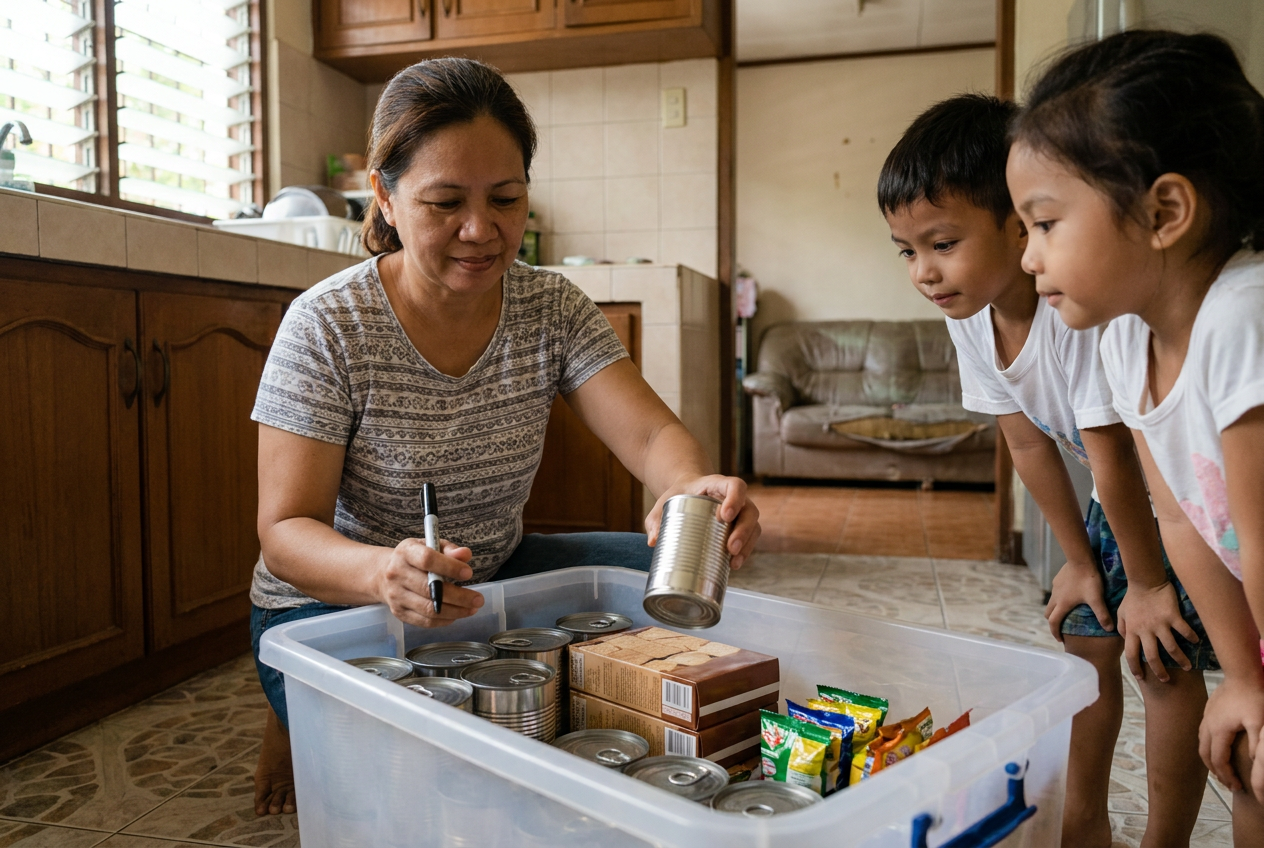
Build a 72-hour emergency food box from sari-sari and grocery staples, plus a simple twice-a-year rotation system so nothing expires unnoticed.
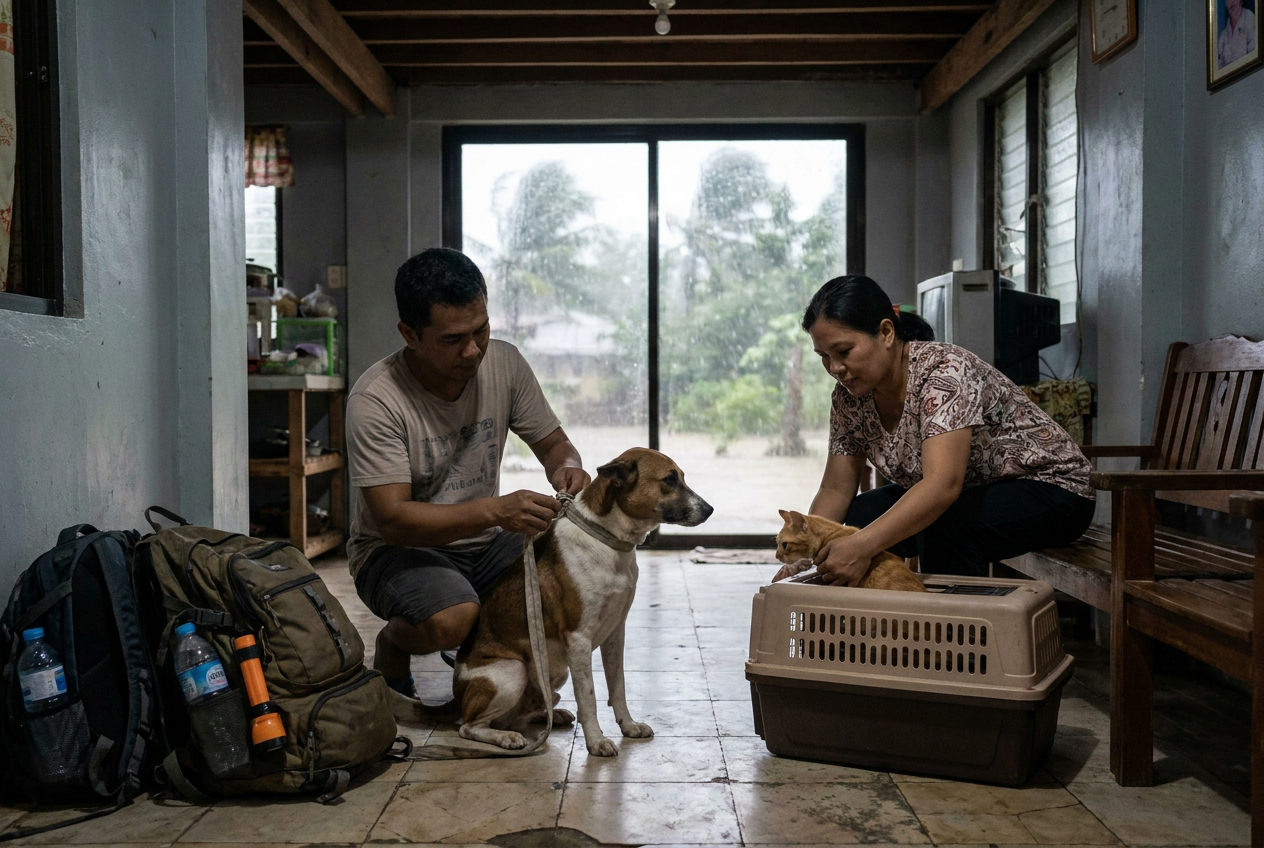
Typhoon pet safety guide for Filipino homes: build a pet emergency kit, find pet-friendly evacuation spots, and the one rule that saves dogs and cats from
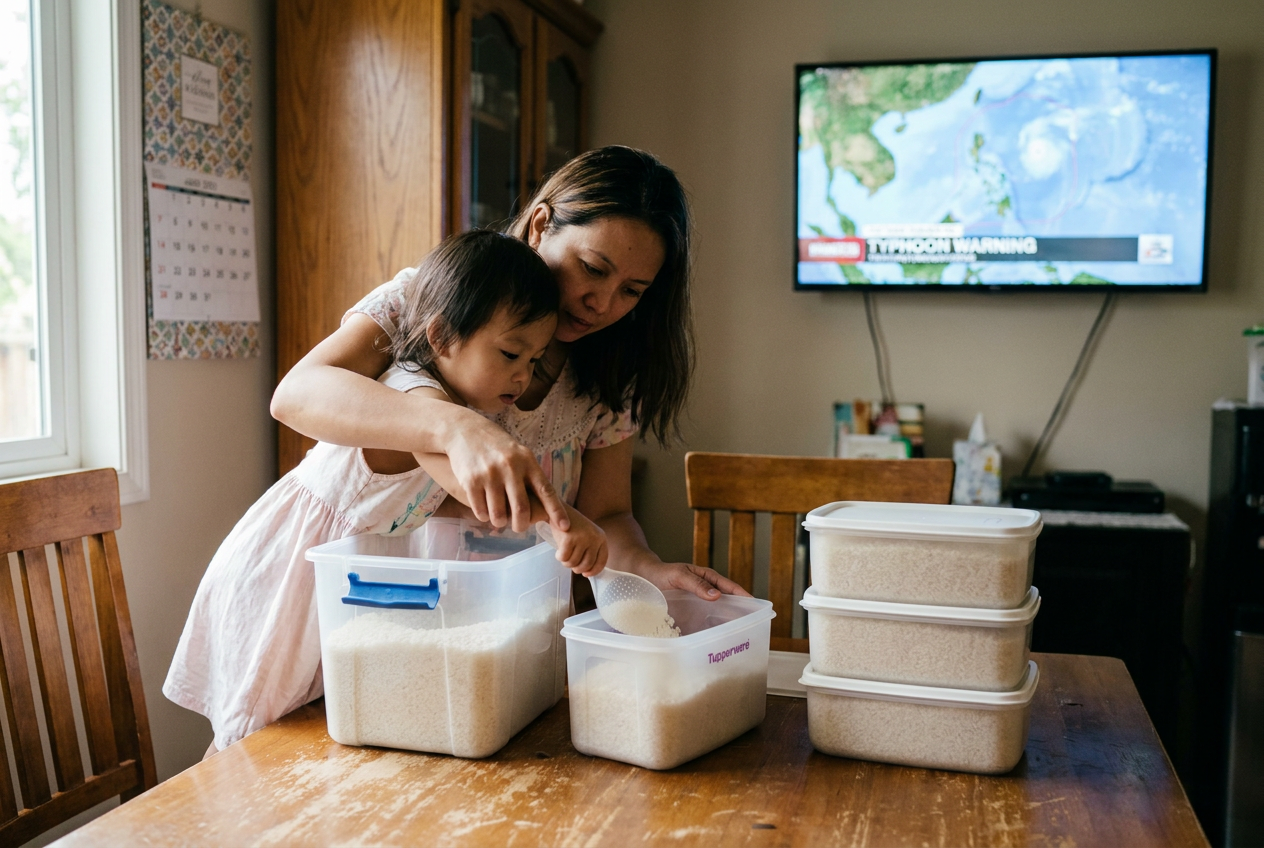
How to set up airtight rice containers for everyday use: seal types, pest treatment, shelf placement, and realistic shelf life for Filipino kitchens.
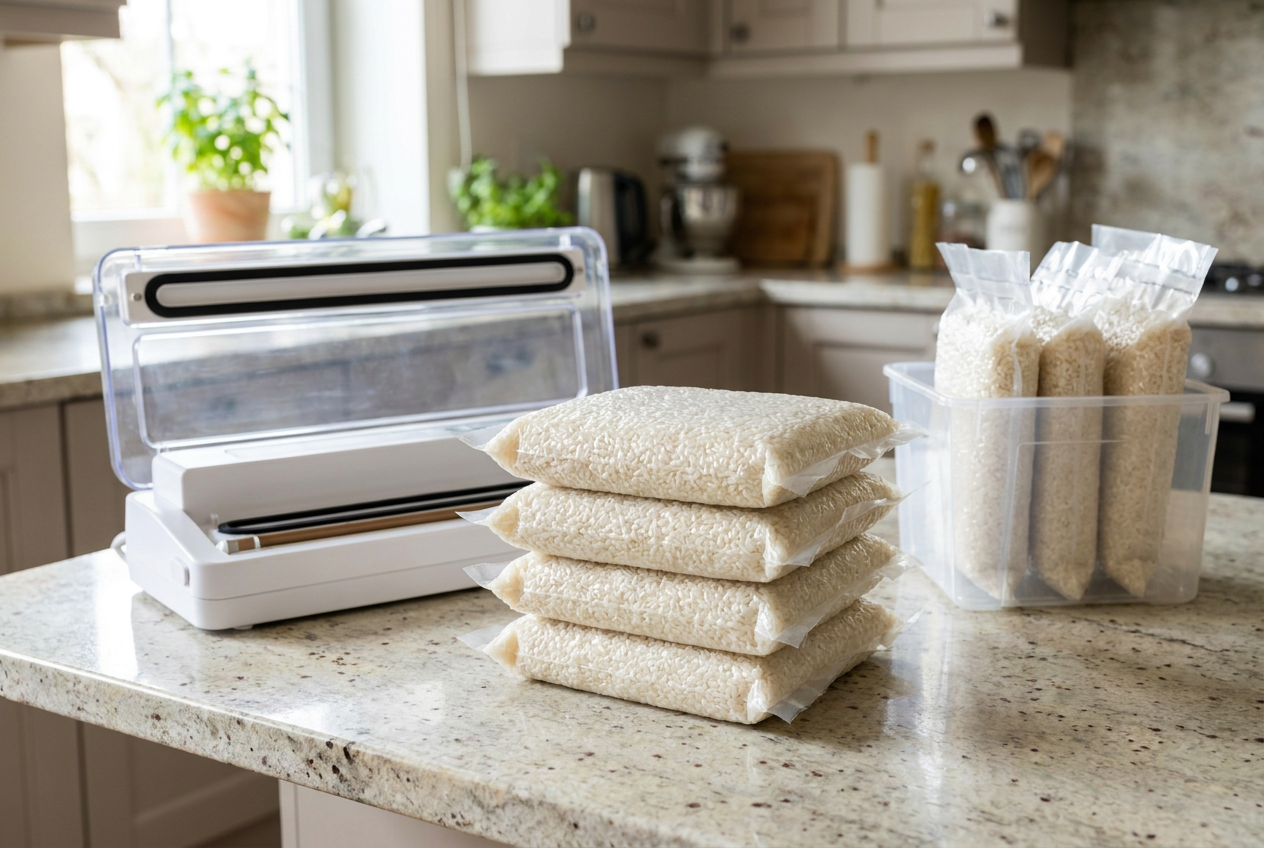
Vacuum-sealing rice for go-bags and pantry storage: what it protects against, what it doesn't, and how to do it right with gear sold in the Philippines.
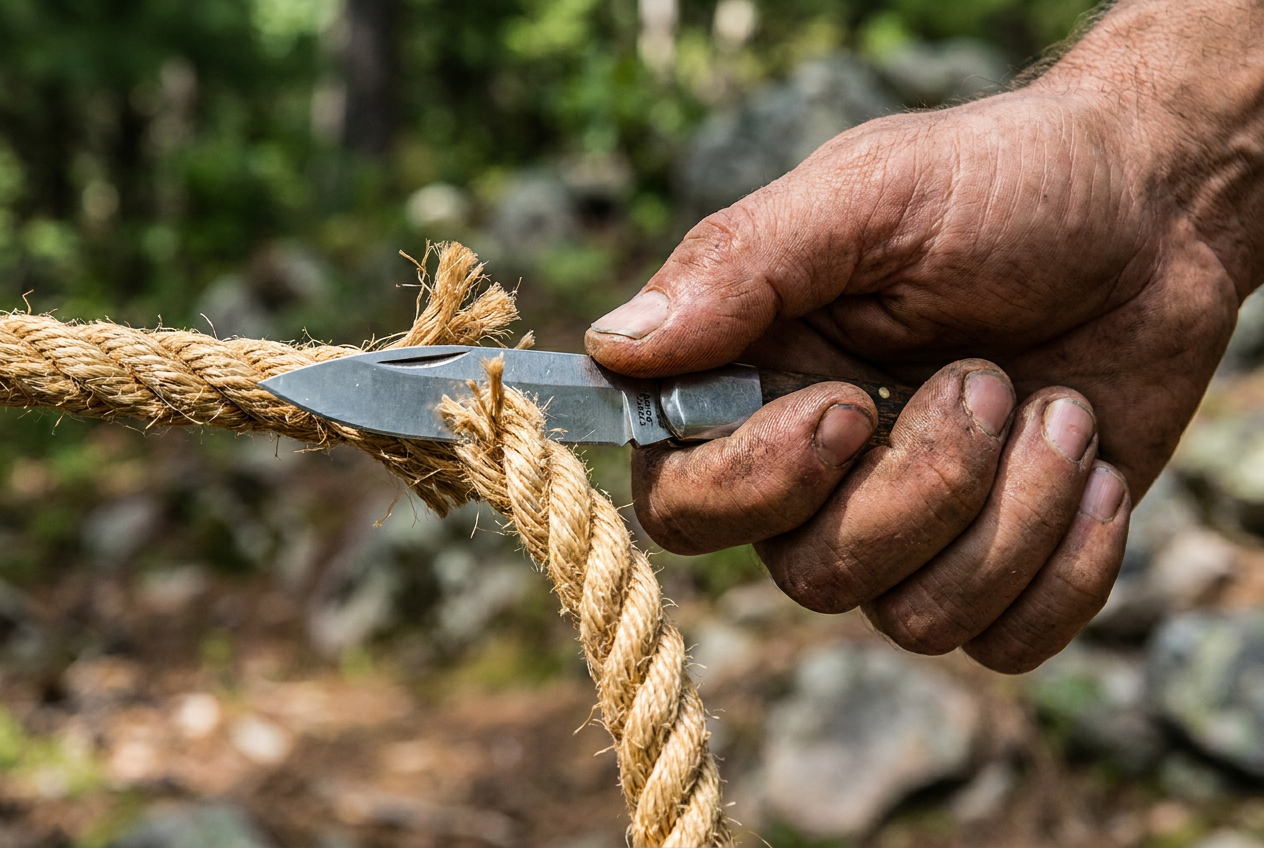
Carrying a pocket knife or multitool in the Philippines? Here's what national law, local ordinances, and everyday situations actually allow.
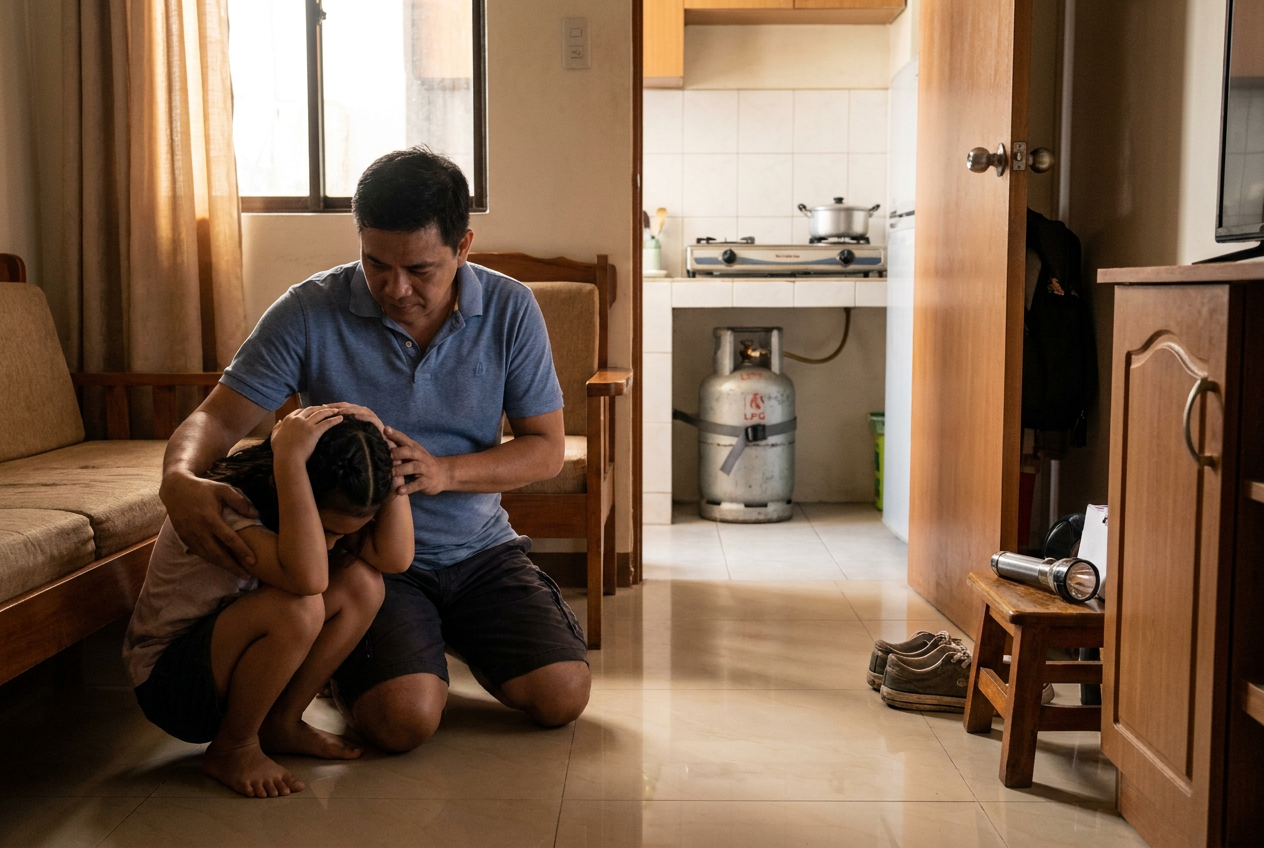
Earthquake ready PH: Drop-Cover-Hold On, room-by-room hazard checks, the first 30 minutes after shaking, and what to pack in a 72-hour kit.
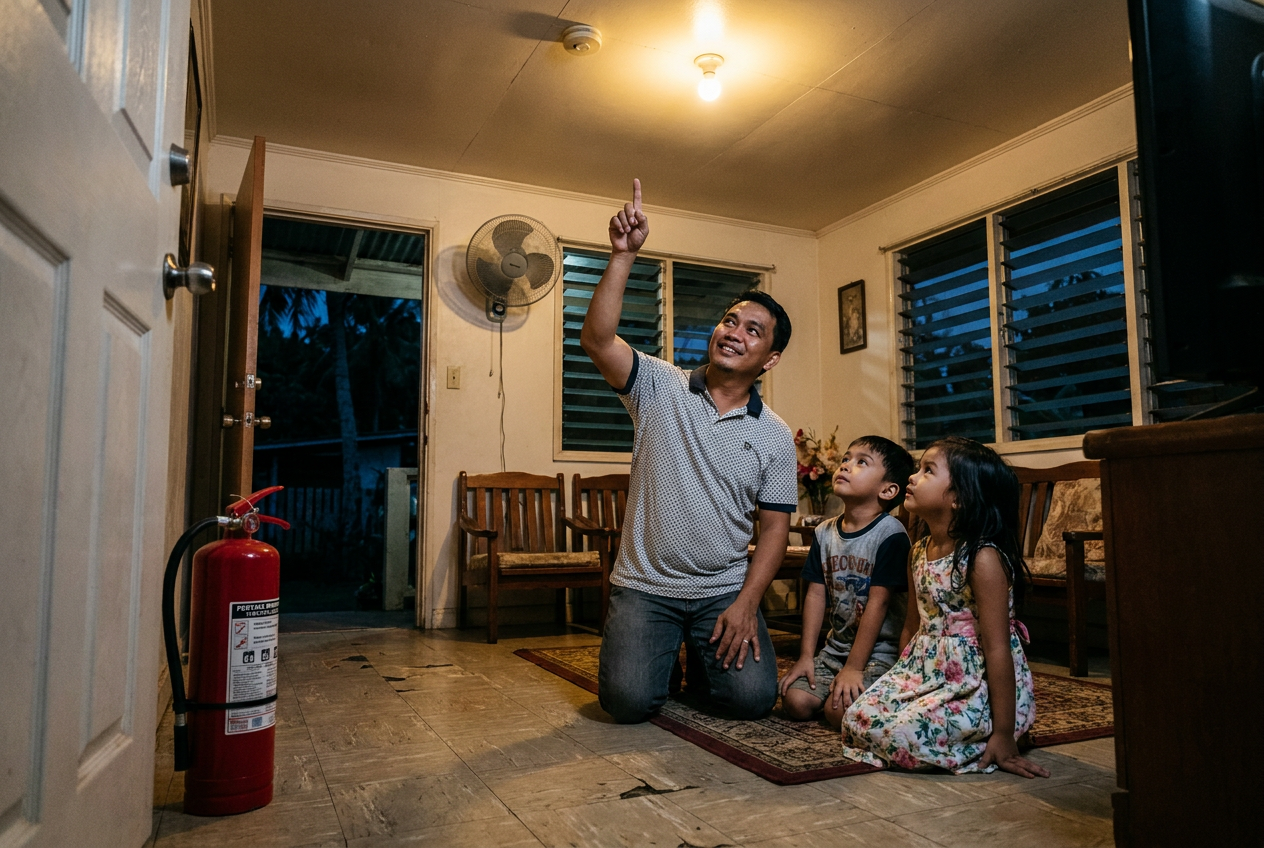
Home fire safety for Pinoy families: smoke alarm, two-exit plan, right extinguisher, and a real drill with kids and kasambahay included.
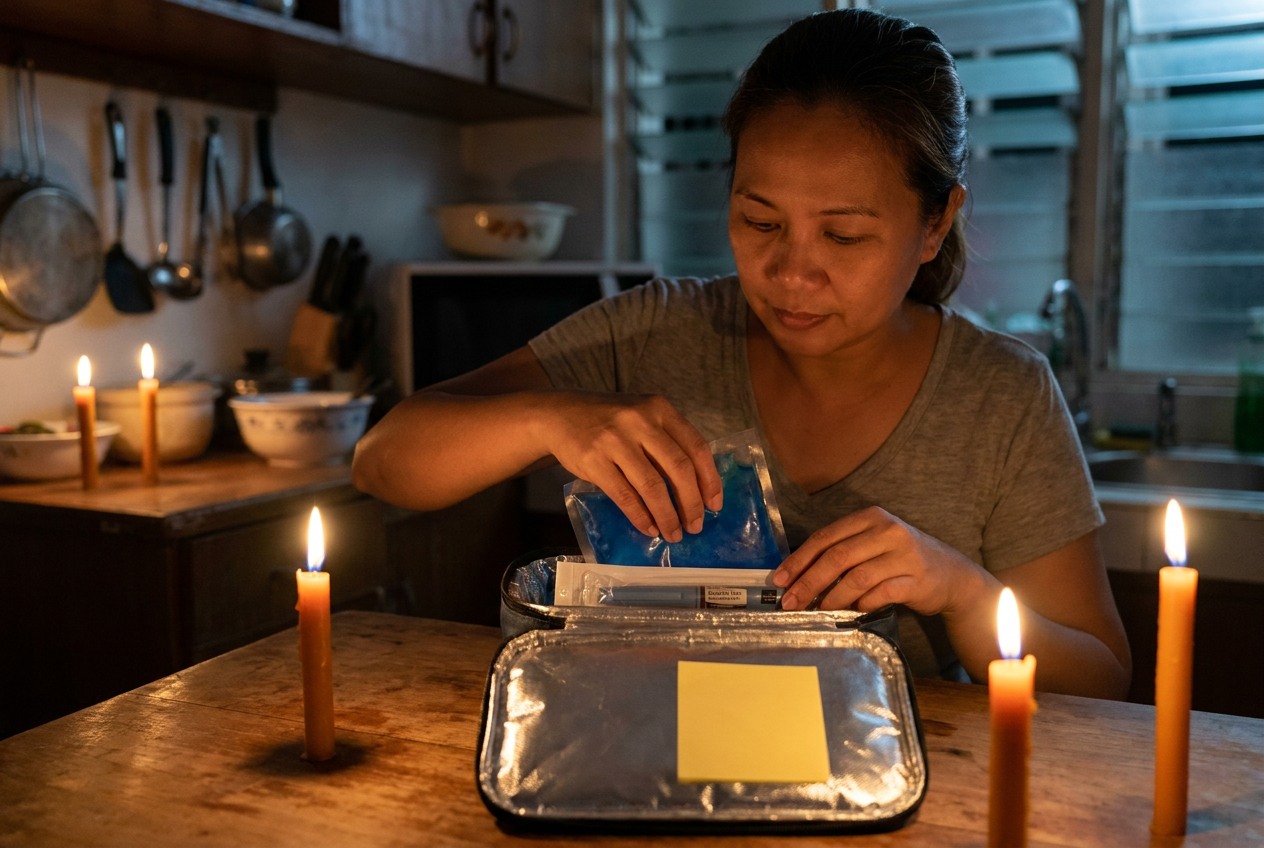
Keep insulin cold during a brownout: a simple cooler bag and gel pack system for Filipino homes, plus when to stop improvising and get medical help.
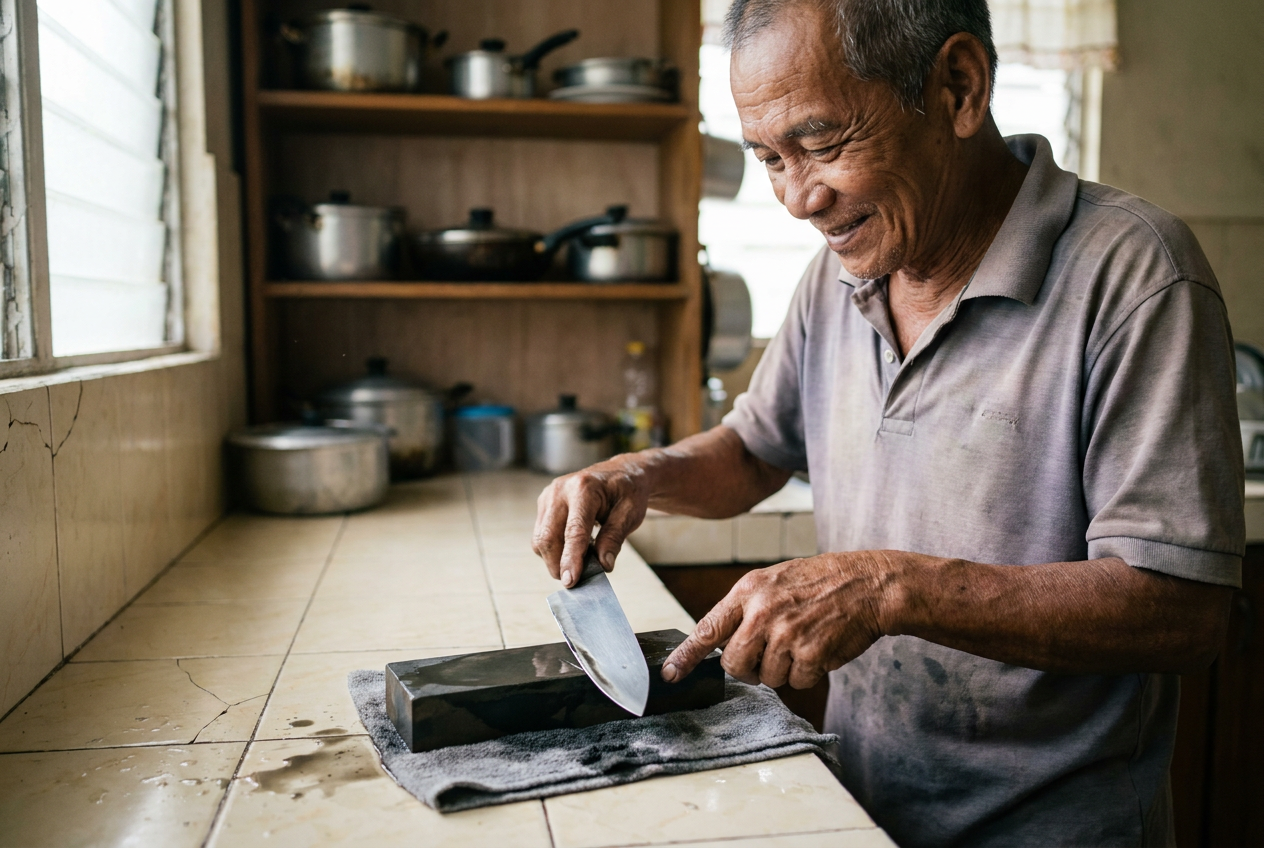
Learn how to sharpen a dull kitchen or utility knife at home using a stone or pull-through sharpener. Simple, low-cost steps for every Filipino household.
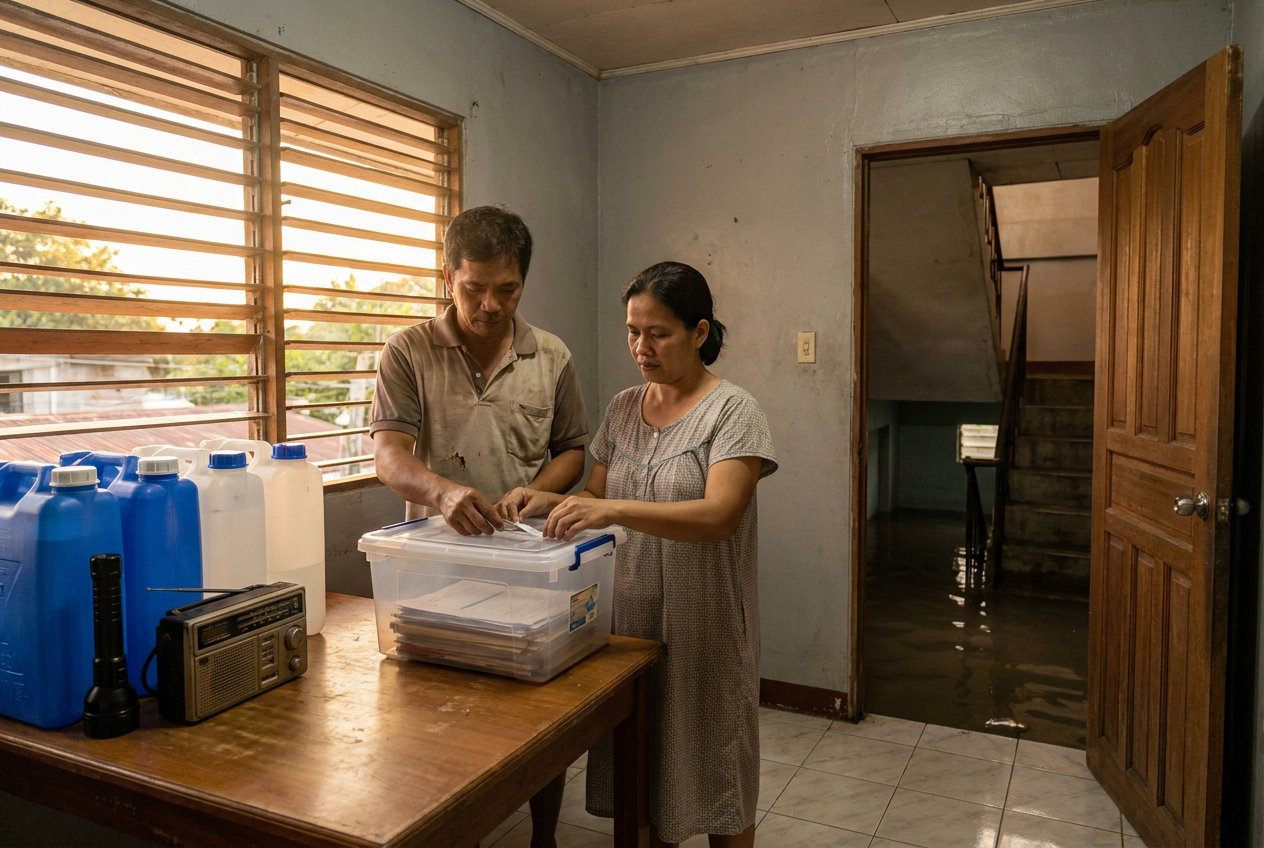
Trapped by rising floodwater? A room-by-room guide for Filipino homes: when to cut power, protect food and documents, and stay safe until water recedes.
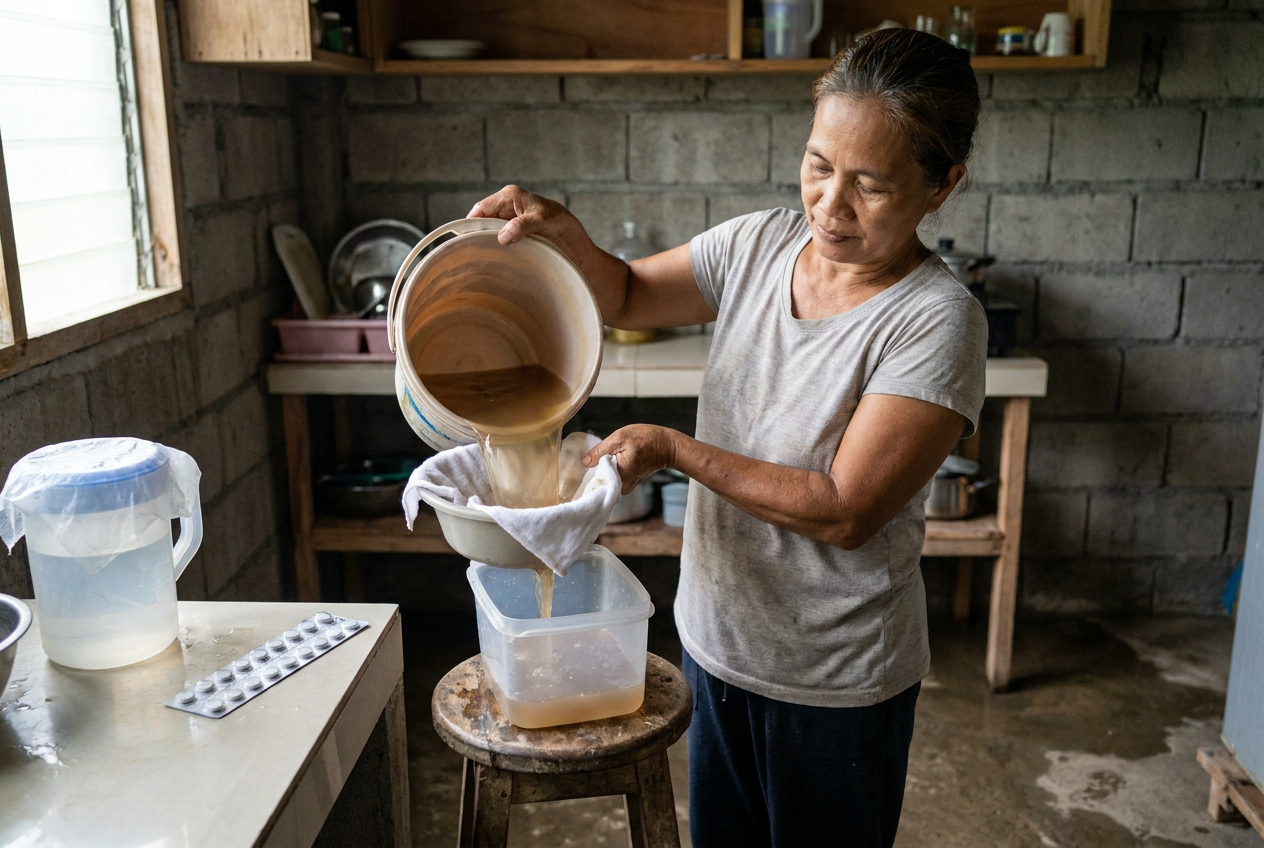
How to make floodwater safe to drink after a typhoon: pre-filter, treat with purification tablets as labeled or by boiling per DOH guidance, then store it right so it lasts.
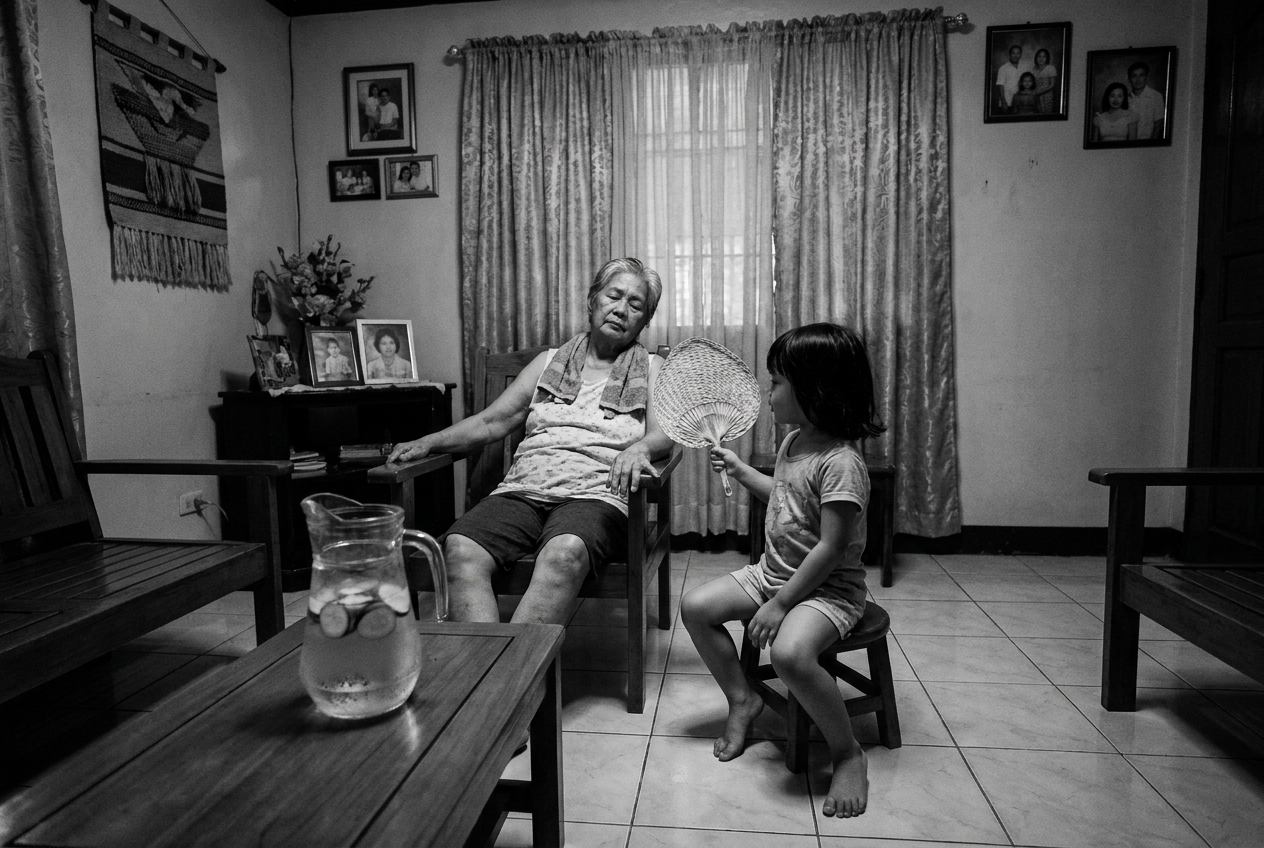
No aircon during a Philippine heat wave? Learn to read PAGASA's heat index and keep your family safe from heat exhaustion this summer.
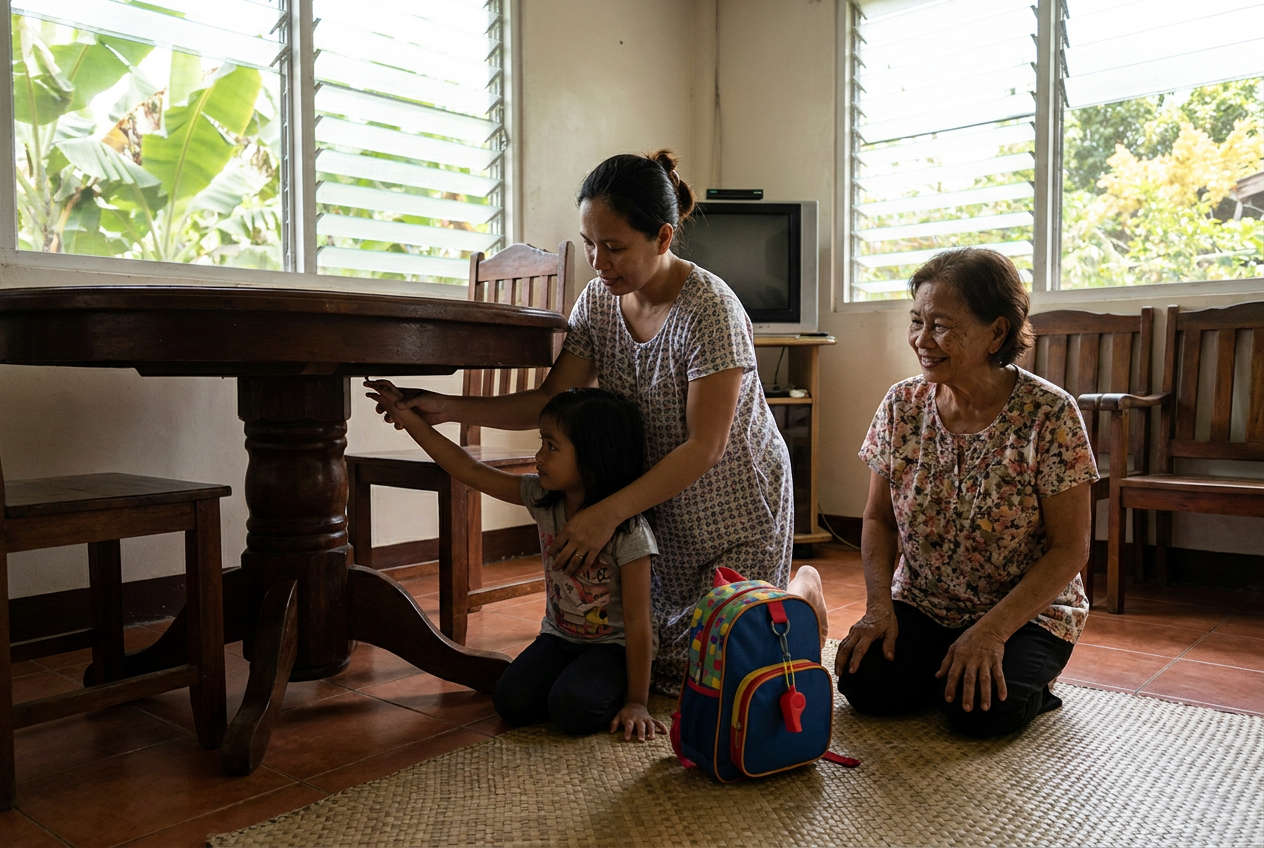
A calm, age-appropriate earthquake guide for Filipino kids: safe spots, fun family drills, and what to pack in their own go-bag.
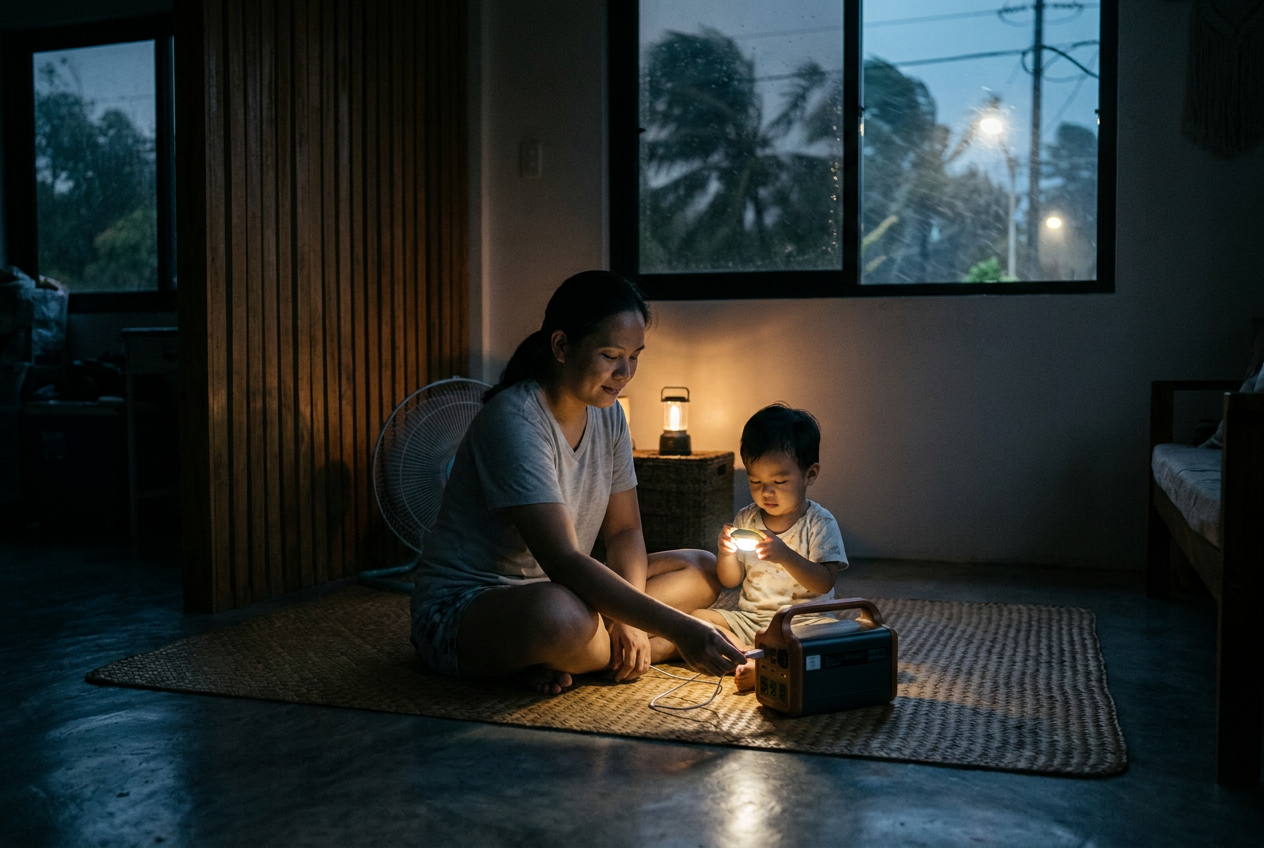
Typhoon power outage can last days. Size a power station, ration phone charge, and use lanterns safely with this 72-hour blackout plan for PH homes.
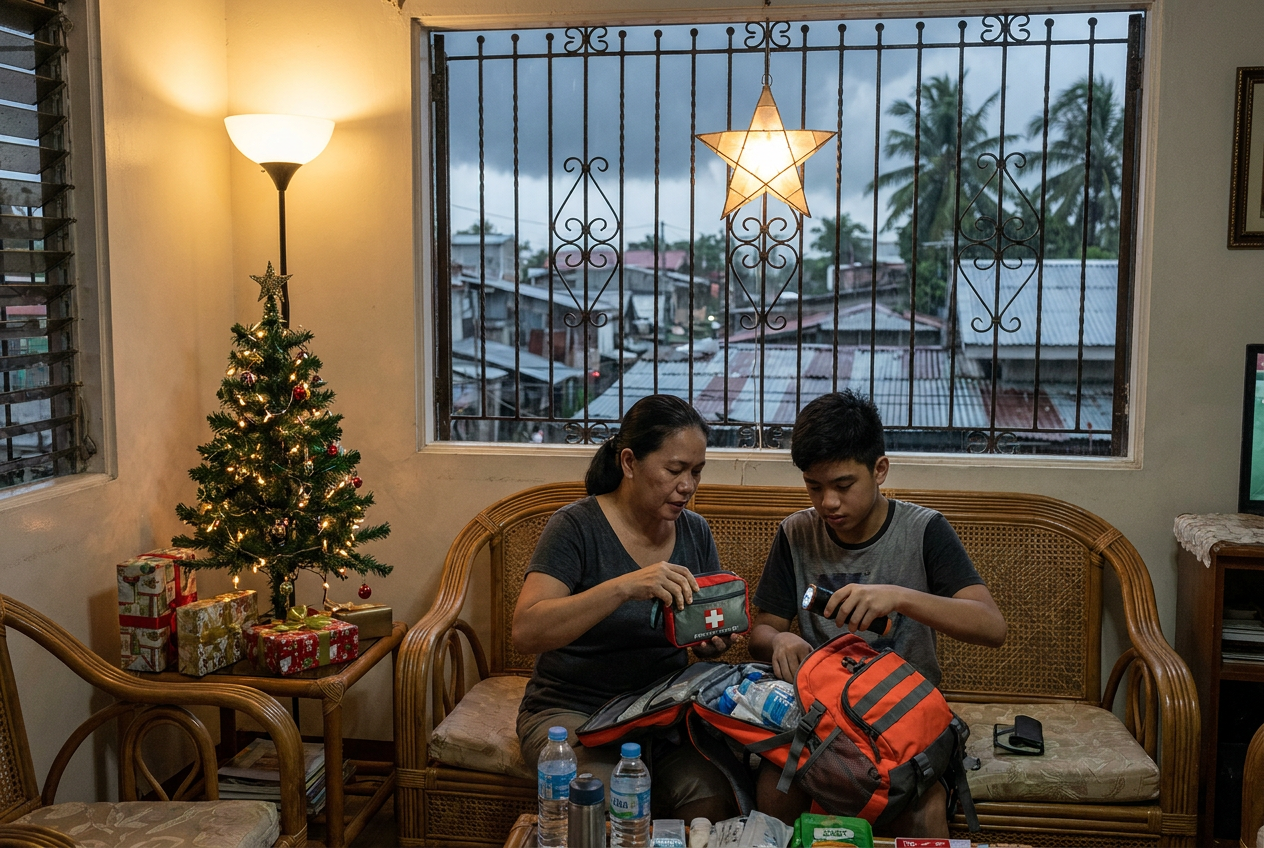
Late-year typhoons like Tino and Uwan prove the season isn't over in November. Here's how Filipino households should stay storm-ready through the
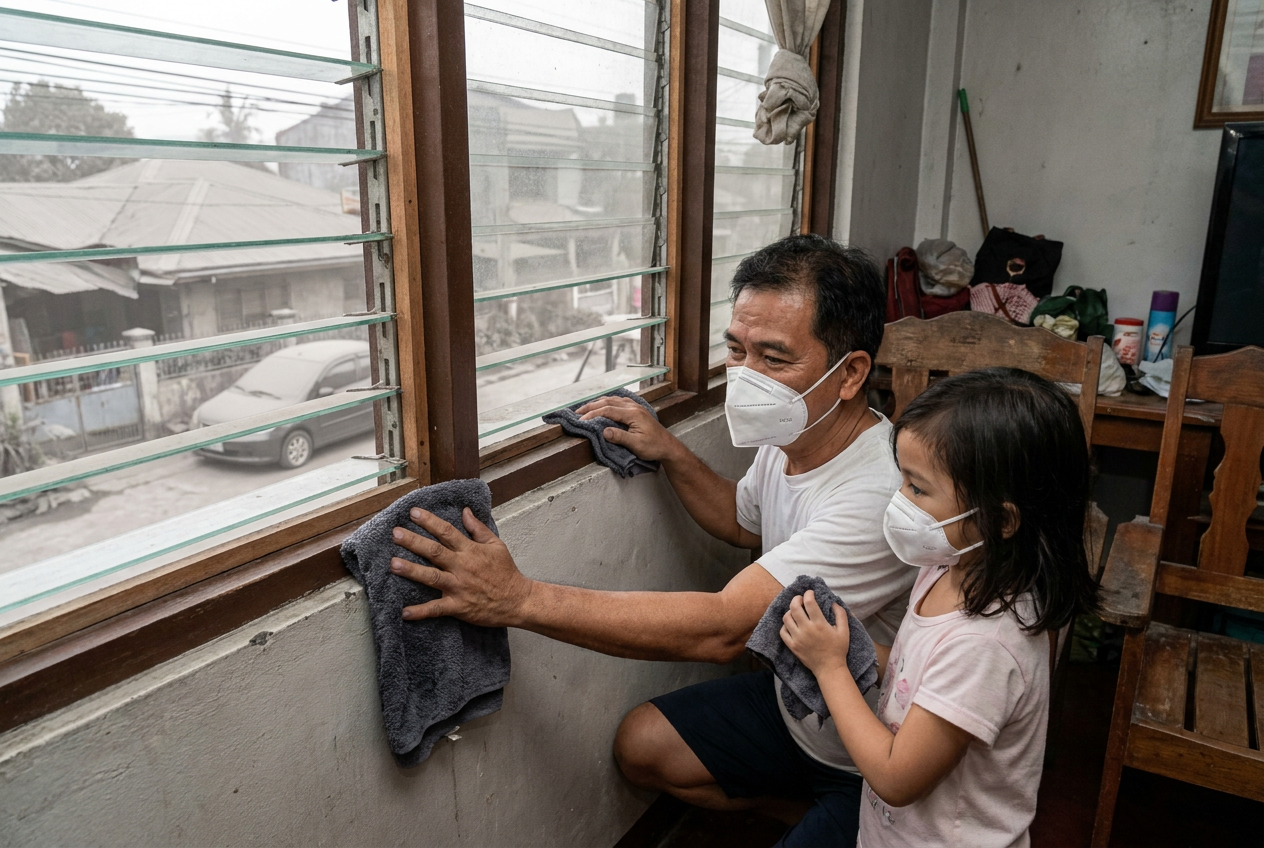
Volcanic ashfall guide for Filipino families: seal your home, protect water, pick the right mask, and know when to evacuate. Lessons from Taal and Mayon.
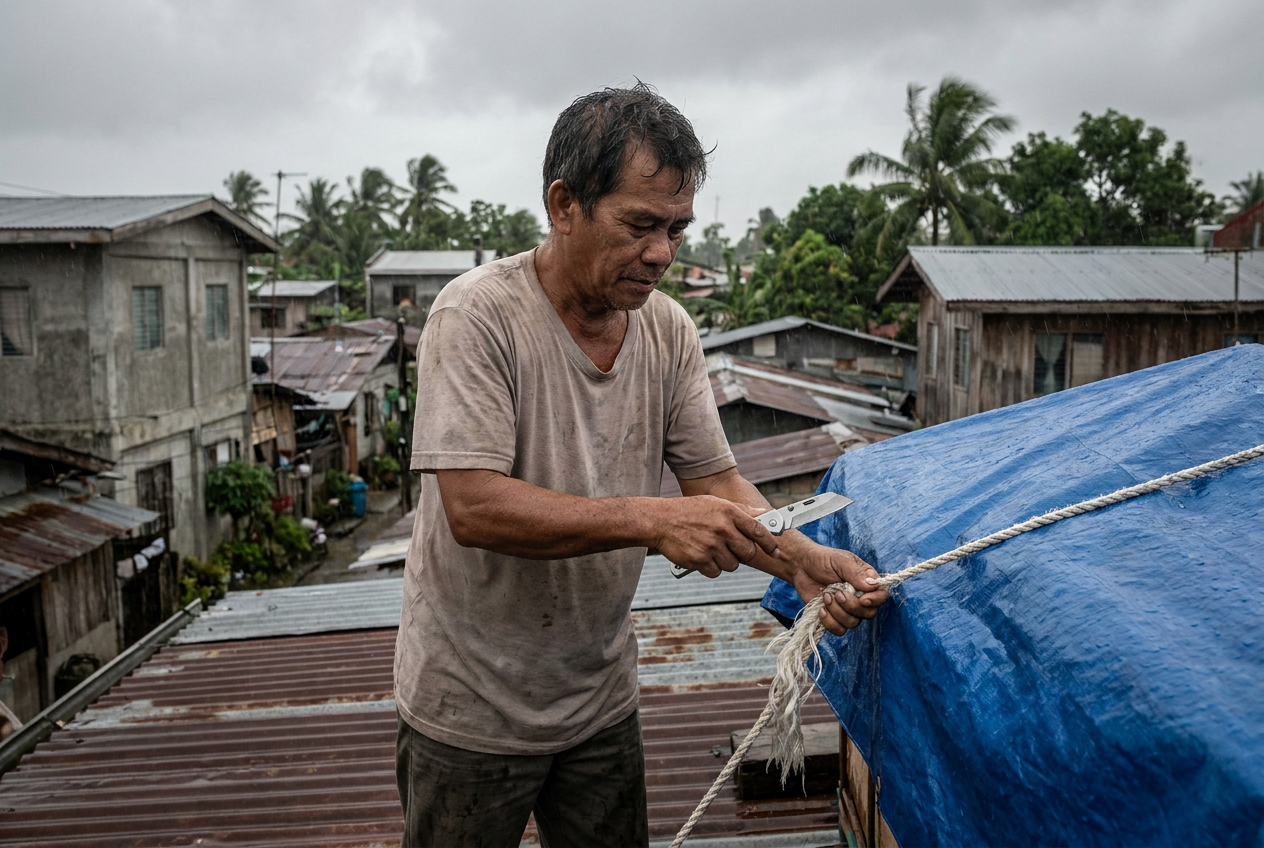
Utility knife vs tactical knife: why plain-edge, full-tang blades work better for PH typhoon and flood emergencies than combat-styled knives.
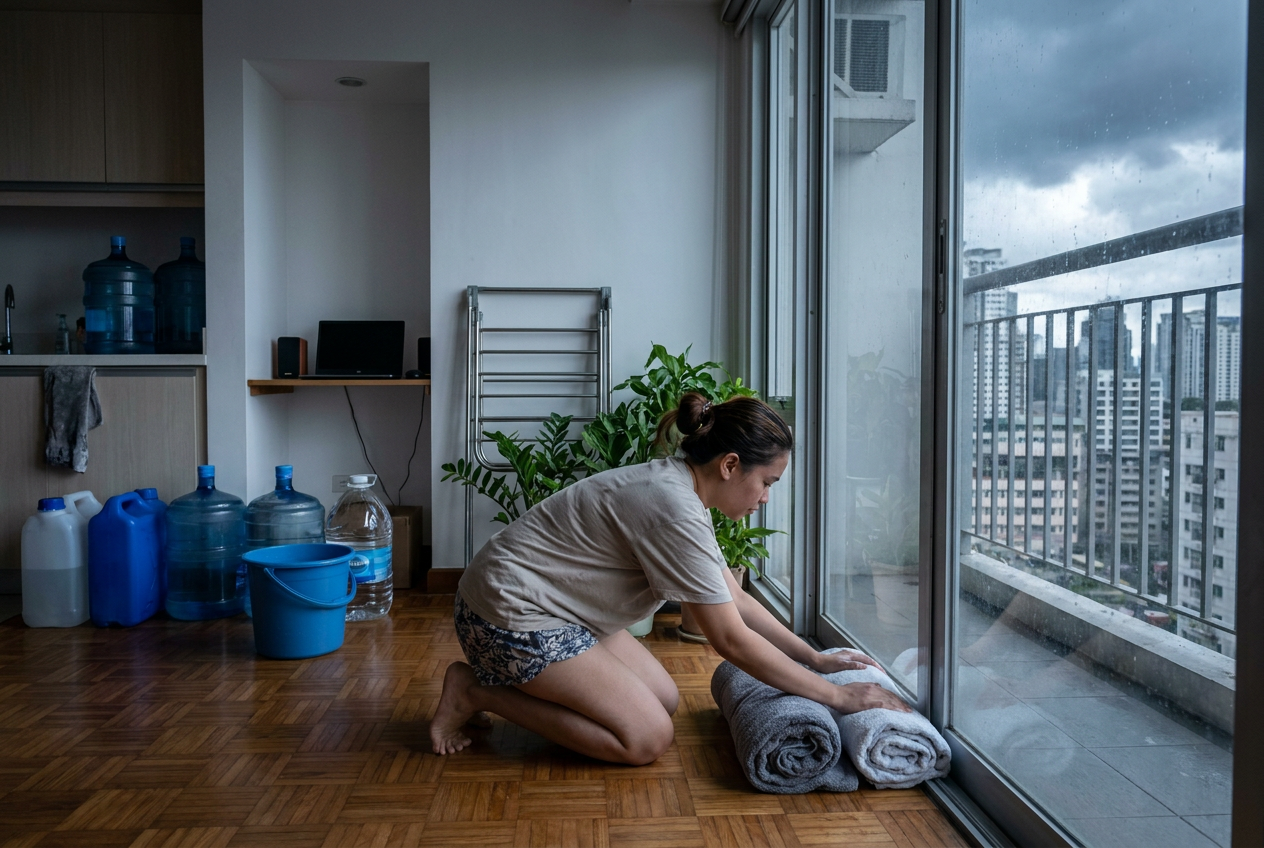
Renting a condo or flat? Step-by-step typhoon prep for the 24 hours before — drains, sliding doors, water storage. No drilling, no new gear needed.
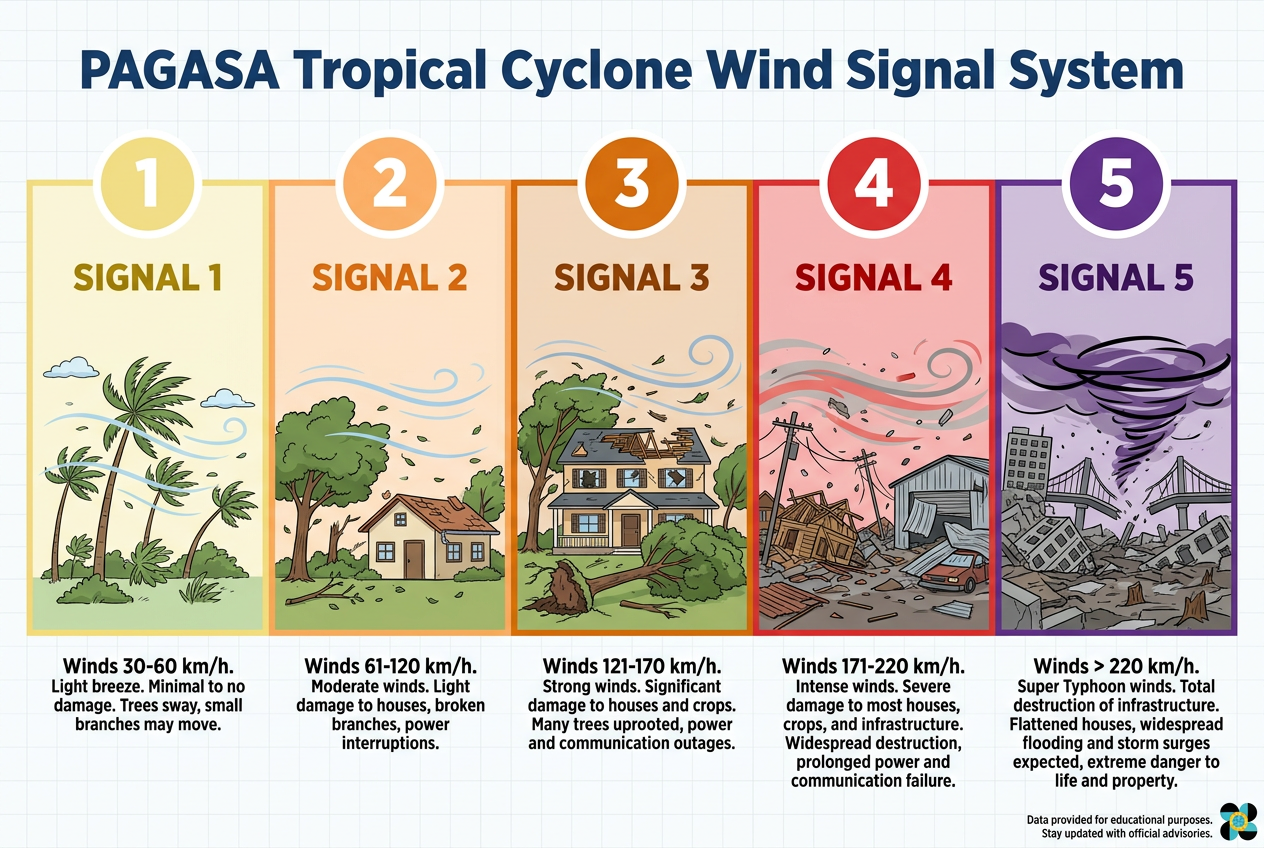
PAGASA wind signals 1 to 5 explained simply: what each level means for lead time, wind, and what to actually do before the next typhoon hits.
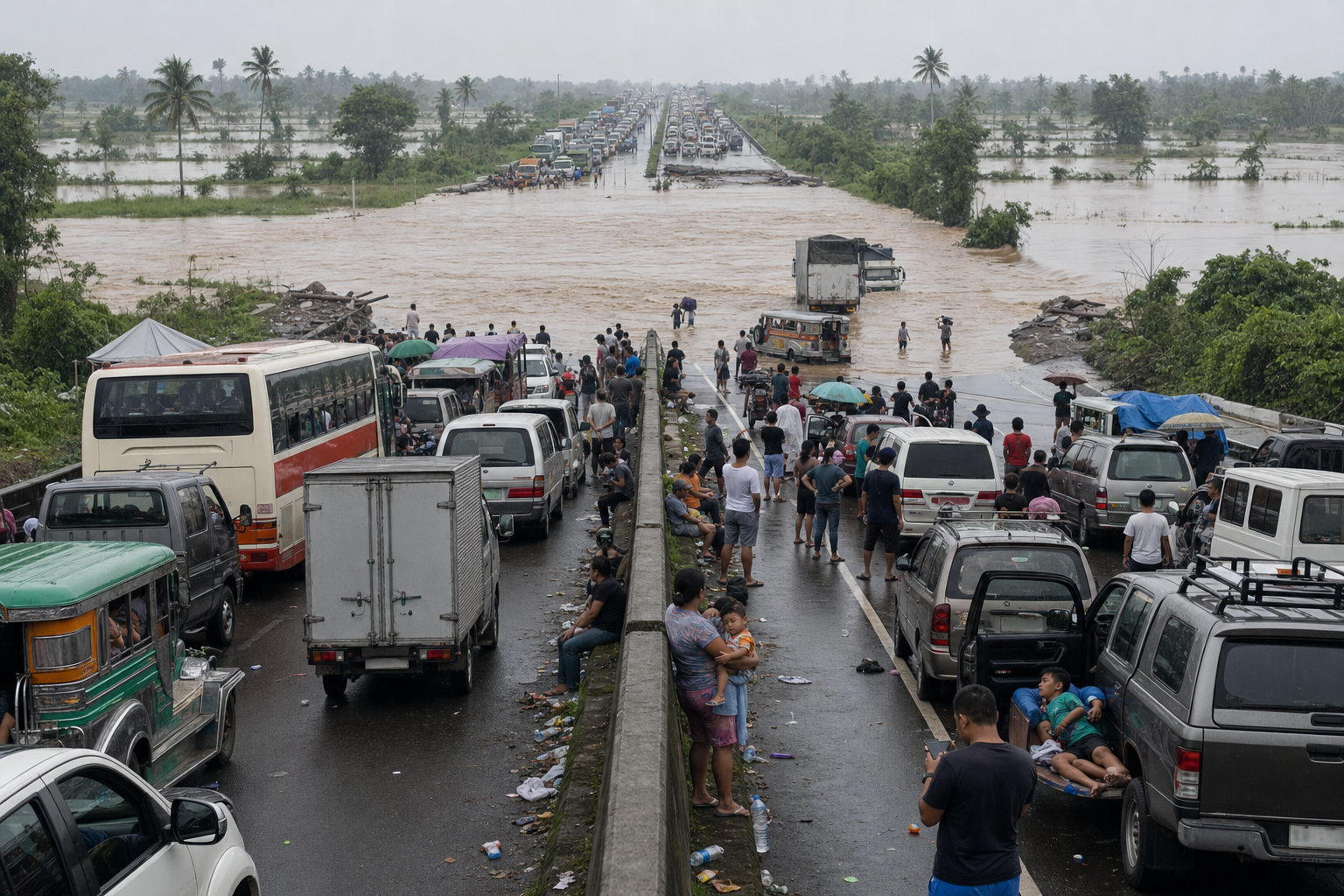
How Filipino couples should pack a 72-hour go bag: weight limits, waterproofing, and splitting gear for typhoons, floods, and earthquakes.
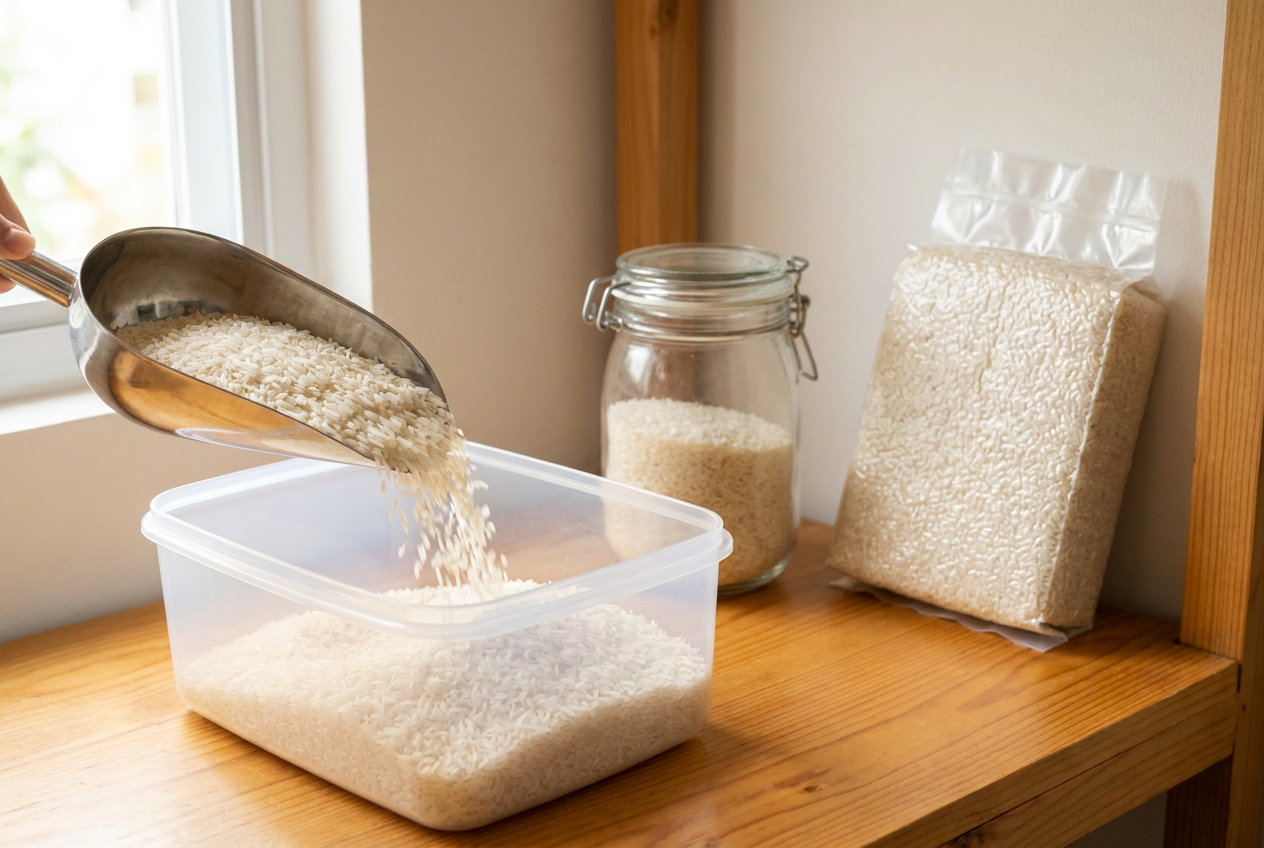
How to store rice long-term at home for typhoon or earthquake prep. Compare containers, airtight storage, and vacuum sealing so your rice reserve lasts.
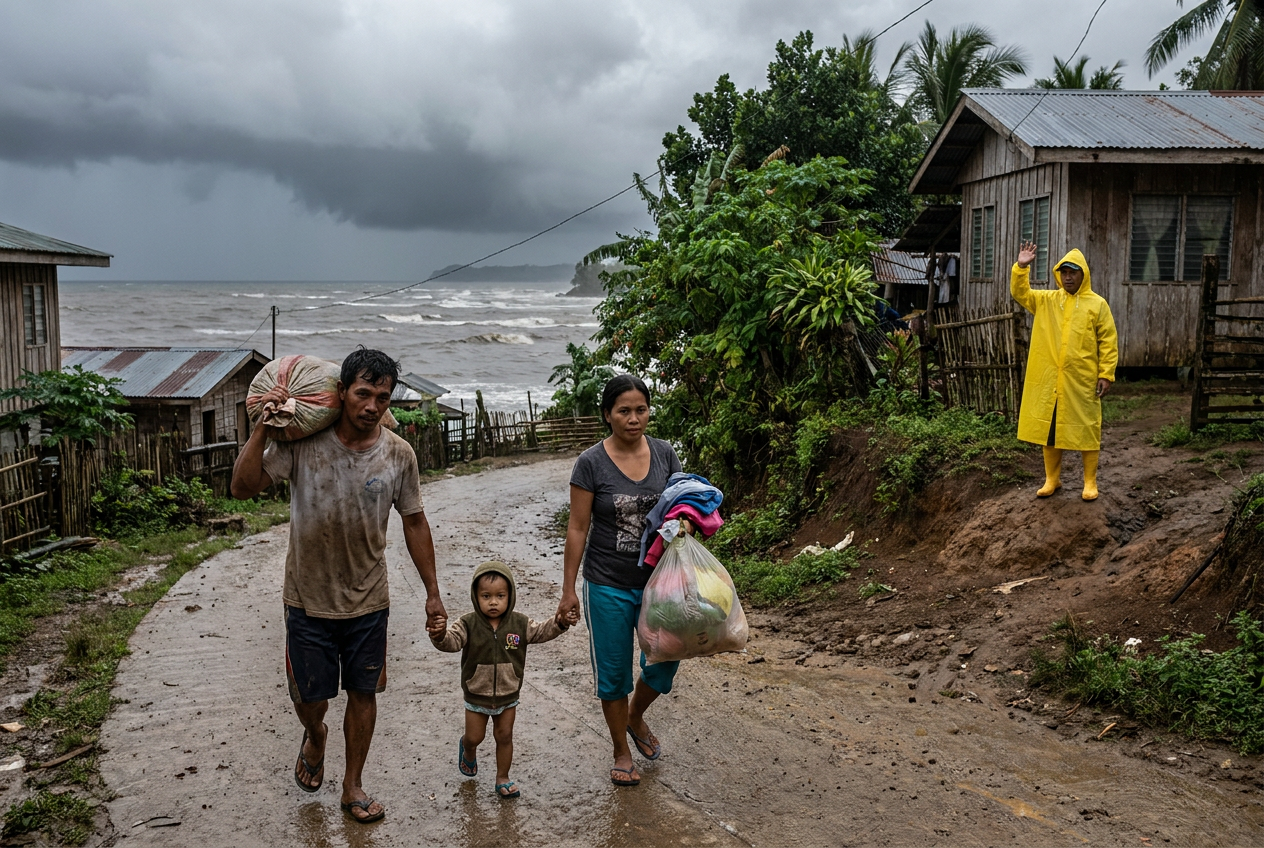
Storm surge vs. flood: know the difference before typhoon season hits. Learn to read PAGASA advisories and why high ground beats a higher floor.
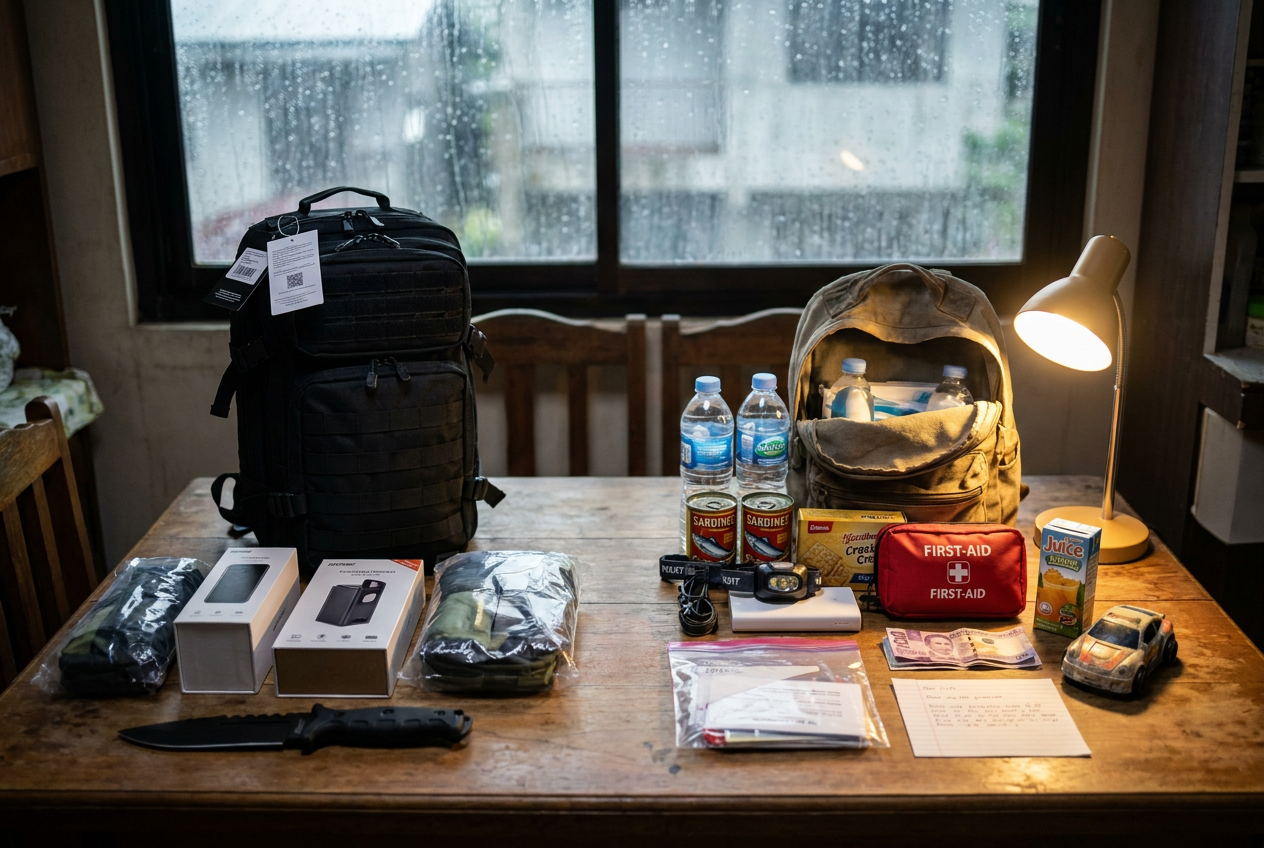
Needs-first prepping vs. gear-first prepping: build a real typhoon kit for Filipino households, not just a shelf of nice-looking gear.
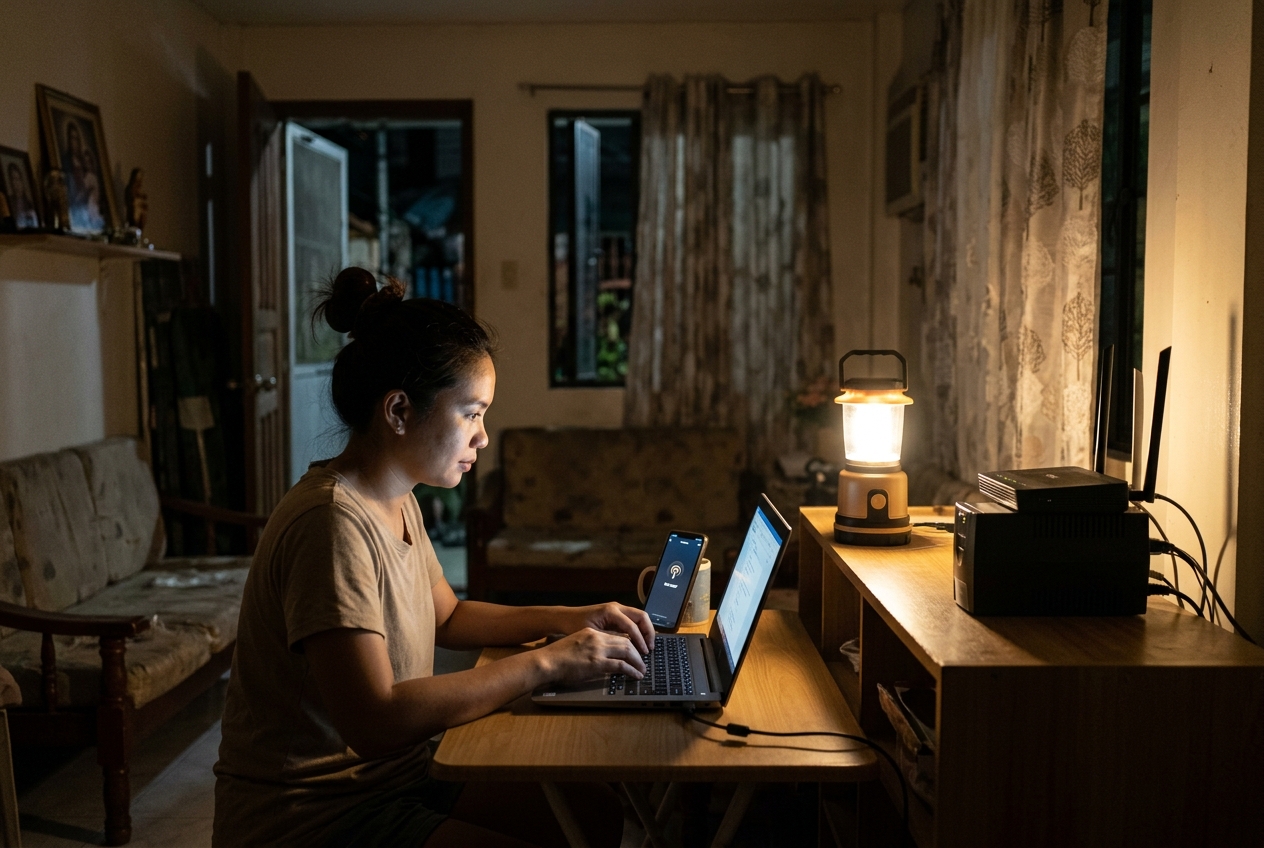
A practical guide to keeping your home internet alive during a brownout: sizing a small UPS for your modem and router, when to lean on a mobile hotspot, and the honest limit of what any of this can do.
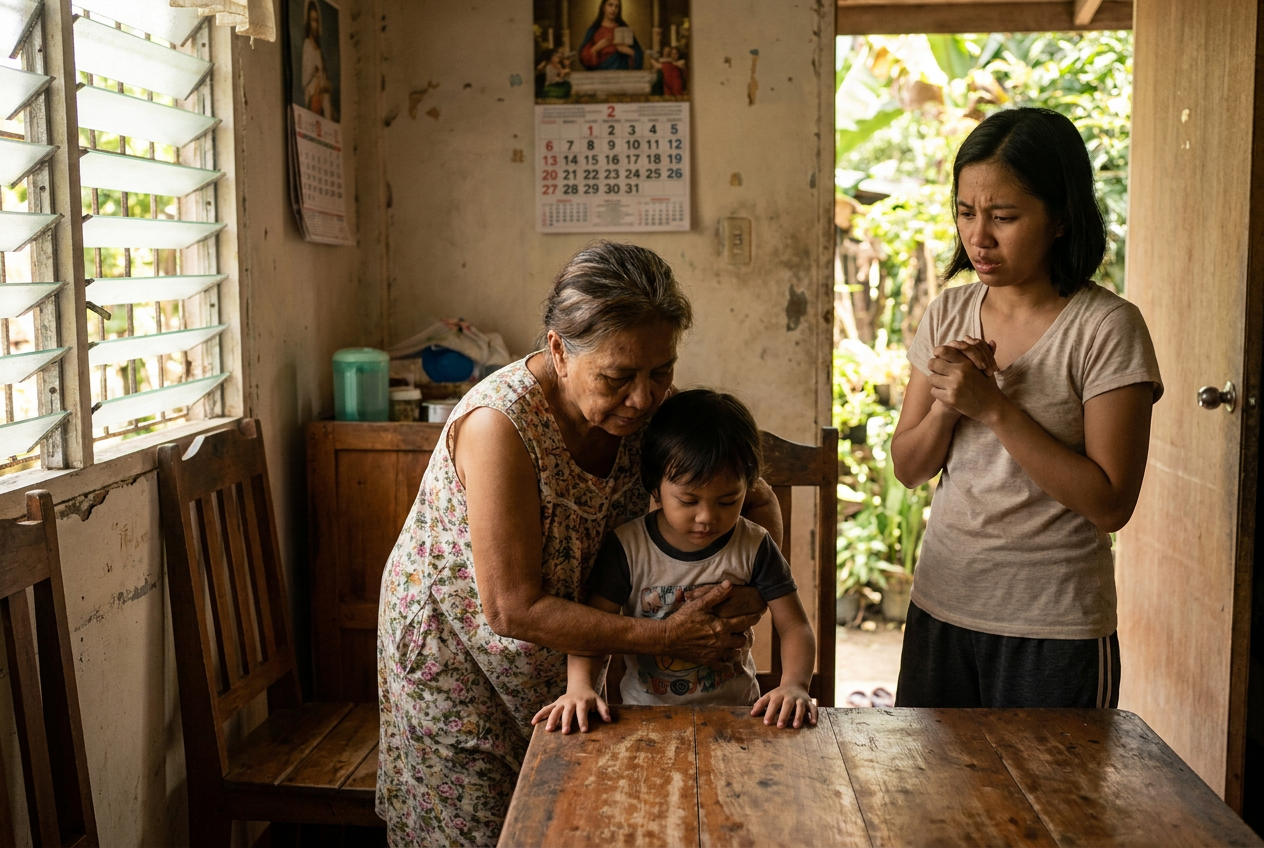
Choking first aid for Filipino families: how to tell true choking from a hard cough in an infant, child, or adult, call 911 fast, and get trained. Clear, no-panic guide.